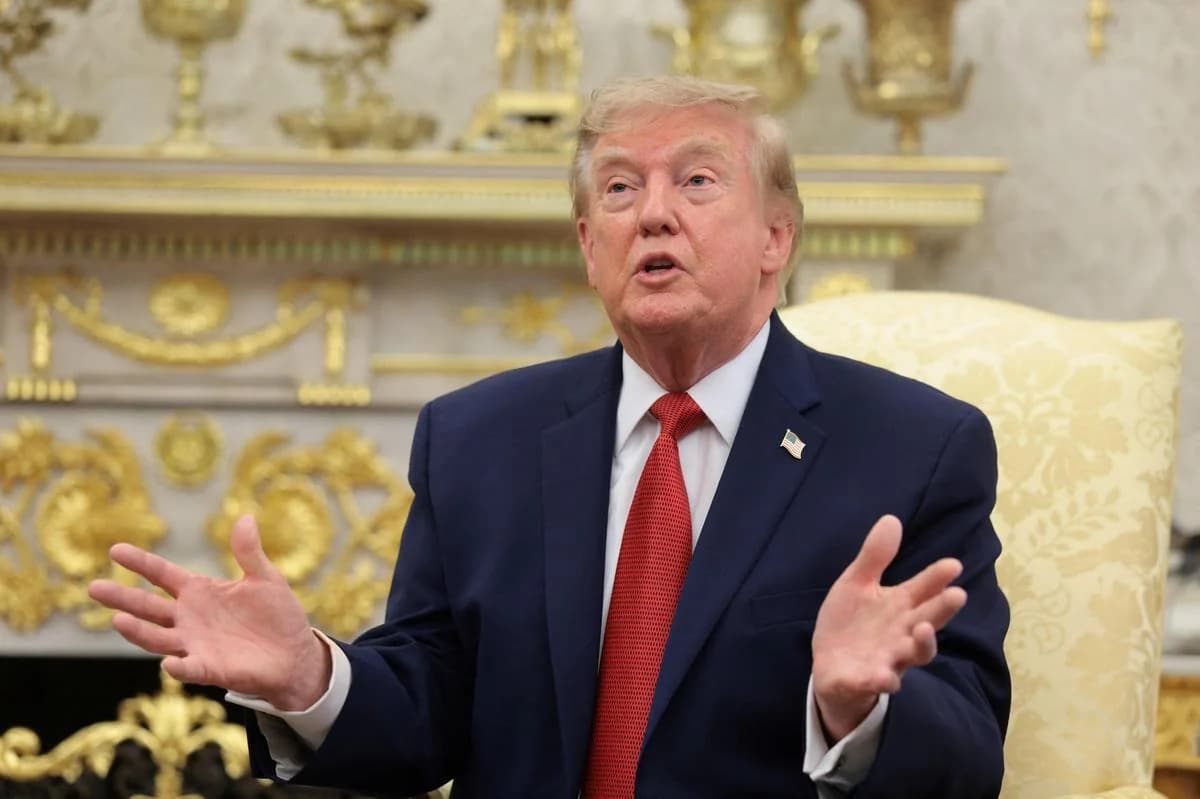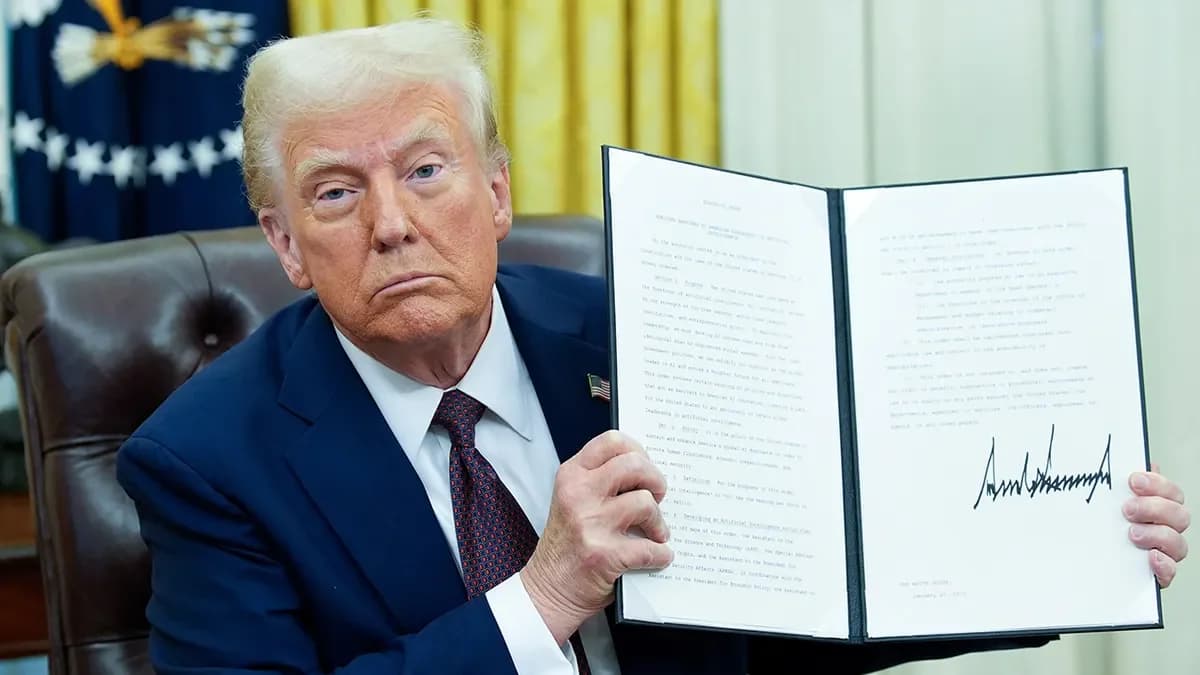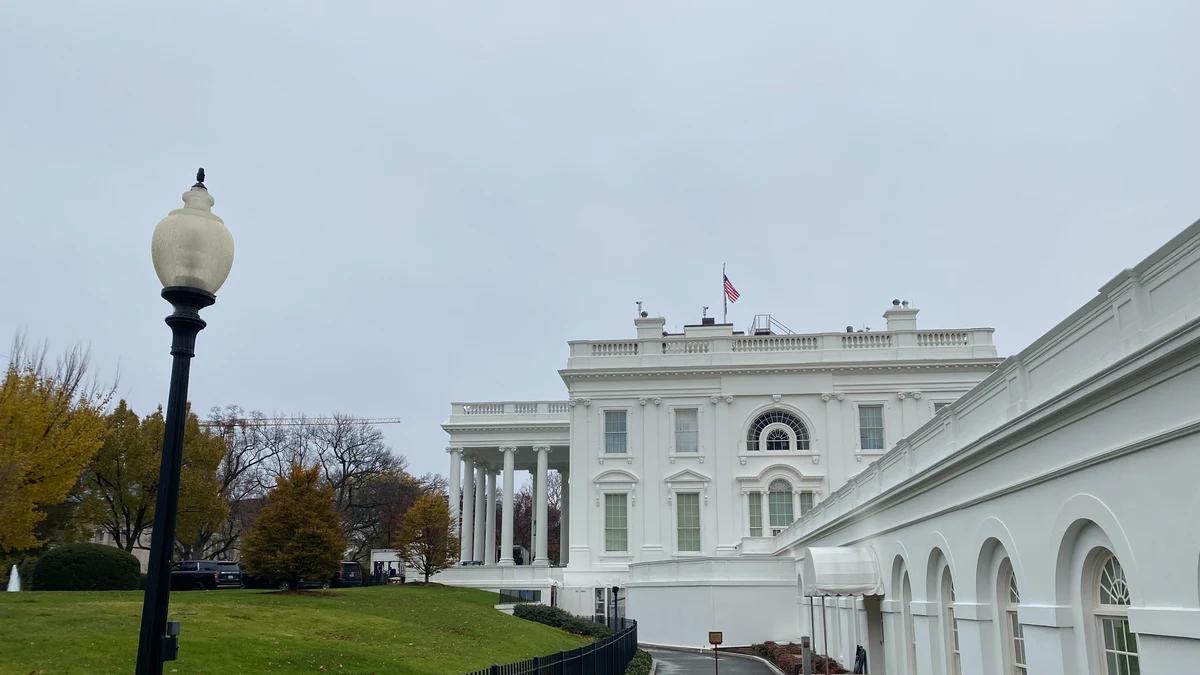
Preparing for an intense constitutional confrontation when the newly elected House of Representatives convenes in January, the Trump administration is rapidly expanding the White House Counsel's office while issuing an unmistakable legal warning to incoming Democratic committee chairs. White House Counsel Will Scharf sent a formal letter to Representative Robert Garcia of California—who is positioned to assume leadership of the House Oversight Committee—accusing Democrats of making "abusive and capricious threats" designed to obstruct executive branch governance.
According to senior administration officials, the White House has recruited more than fifteen additional litigation and constitutional attorneys over the past several weeks to construct a dedicated rapid-response unit. The expanded legal team is tasked with managing document preservation disputes, asserting executive privilege claims, and litigating anticipated enforcement battles over congressional subpoenas across multiple federal agencies.
Subpoena Resistance and Counter-Investigation Signals
In his strongly worded correspondence, Scharf signaled that the executive branch intends to scrutinize every incoming congressional demand against strict Supreme Court precedent requiring a "legitimate legislative purpose." Administration strategists indicated that the White House could decline to comply en masse with broad subpoenas viewed as partisan fishing expeditions, while simultaneously floating counter-investigations into the conduct and donor networks of prominent Democratic investigators.
Democratic lawmakers swiftly rejected the White House posture as an empty intimidation tactic. Representative Garcia and senior Oversight panel members emphasized that voters handed Democrats a House majority precisely to restore institutional checks and balances, examine executive contracting practices, and investigate potential conflicts of interest within federal departments.
"No president and no White House Counsel can unilaterally nullify Congress's constitutional oversight mandate," Democratic leadership declared in a joint response. "The power of inquiry is embedded in Article I of the Constitution, and subpoenas issued in the 120th Congress will be backed by full judicial enforcement."
Democrats Introduce Abuse of the Pardon Prevention Act
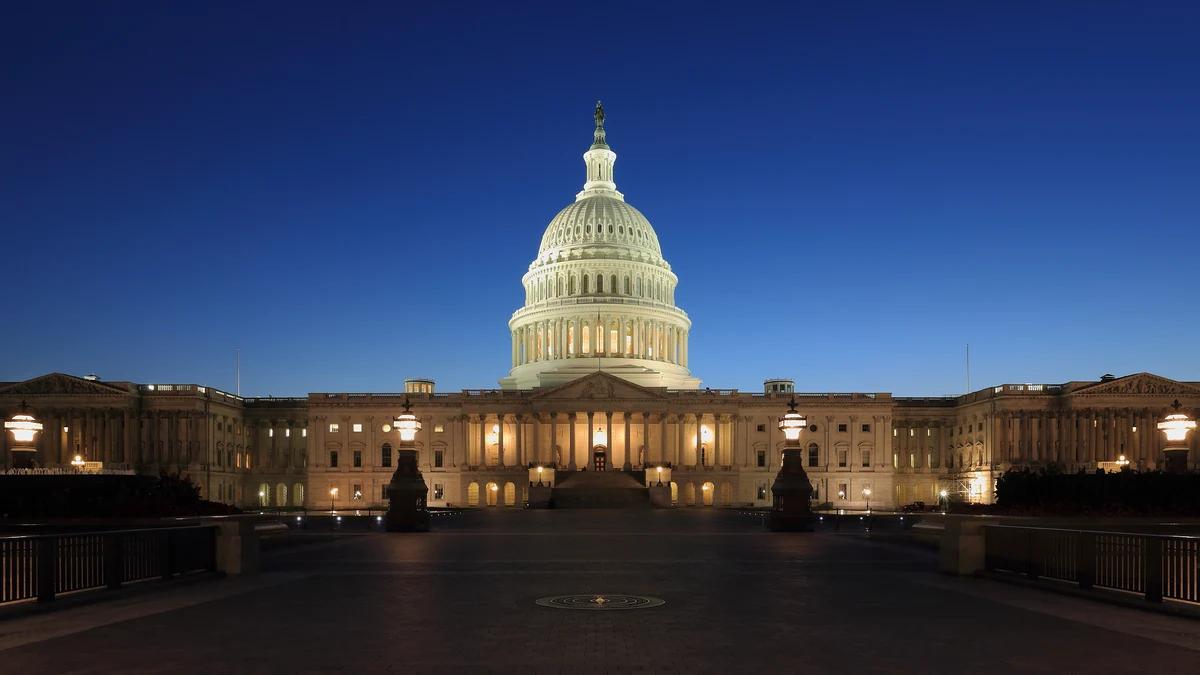
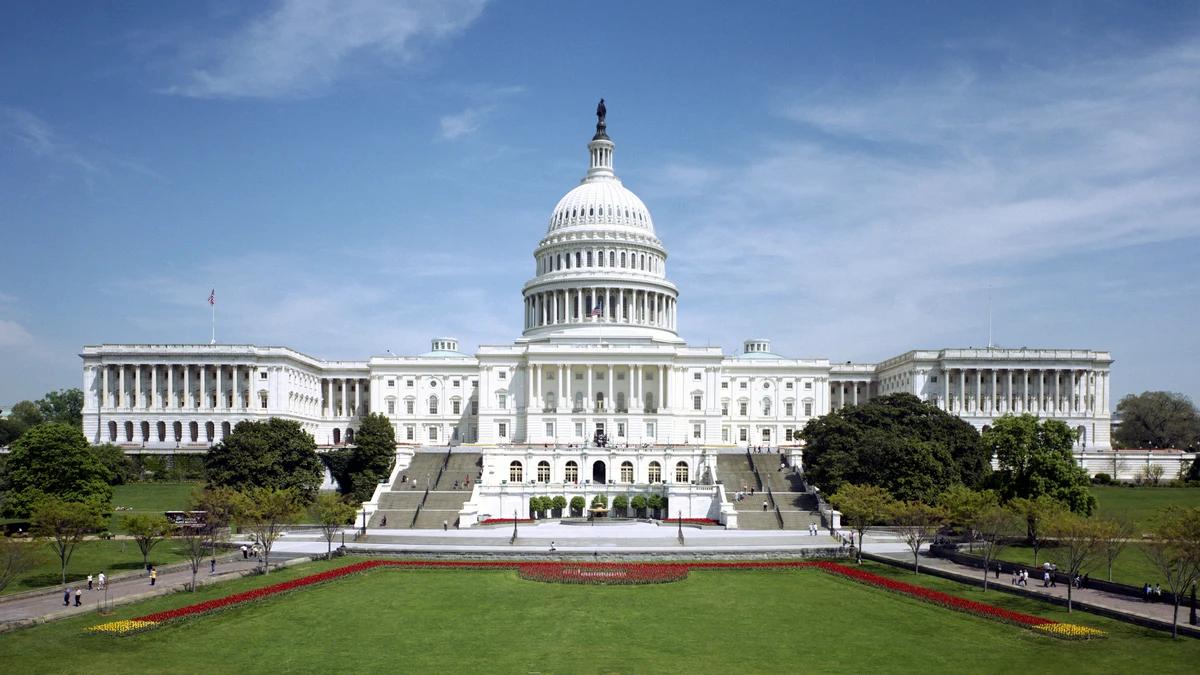
Previewing the legislative agenda that awaits the new Congress, House Democrats affiliated with the End Corruption Caucus—led by Representatives Mike Levin and Jason Crow—introduced the Abuse of the Pardon Prevention Act on Capitol Hill. The measure seeks to curb what critics describe as a second-term "pardon economy" by requiring the Department of Justice Inspector General to audit clemency grants involving campaign donors, corporate lobbyists, or individuals with direct financial ties to administration officials.
Alongside domestic oversight, bipartisan House panels—including Foreign Affairs, Intelligence, and the Select Committee on China—have already issued urgent document preservation directives to the White House, Commerce Department, and State Department regarding advanced AI semiconductor exports and potential national security vulnerabilities. Together, these converging clashes guarantee that separation-of-powers litigation will dominate Washington throughout 2027.