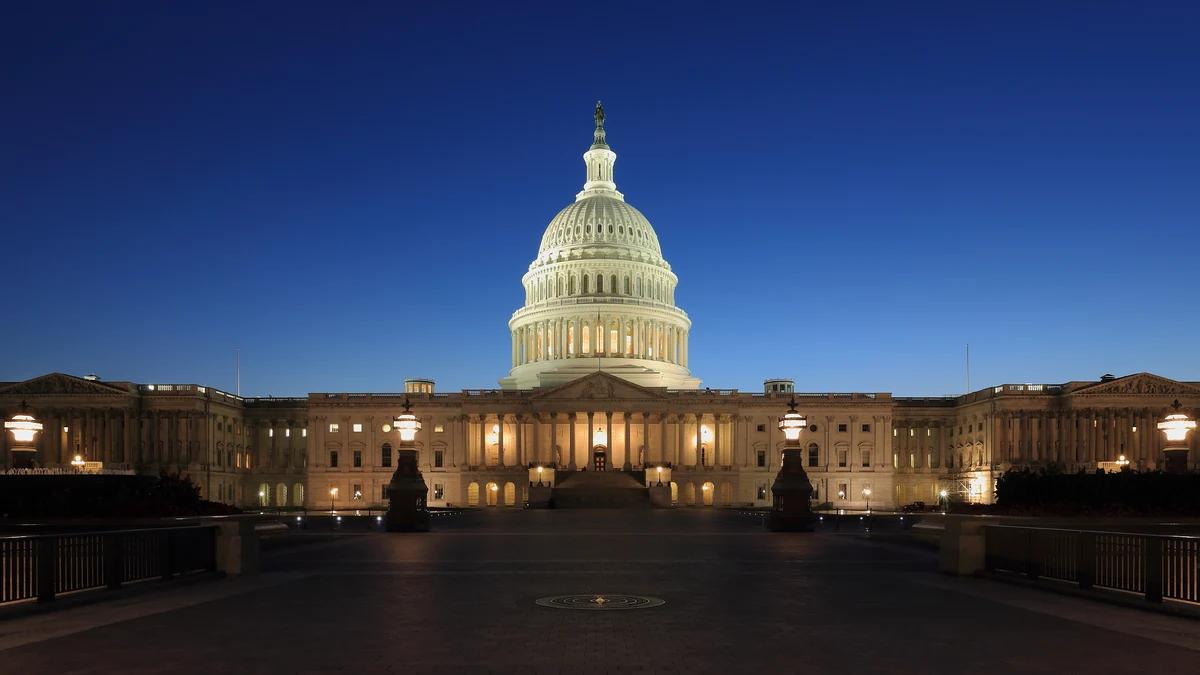
The United States Department of State ordered the mandatory departure of non-emergency government personnel and eligible family members from diplomatic missions across Saudi Arabia on Tuesday, issuing an urgent security notice that underscores the volatile geopolitical climate gripping the Arabian peninsula. The directive applies to personnel stationed at the U.S. Embassy in Riyadh and consulates in Jeddah and Dhahran, reflecting heightened intelligence warnings of potential retaliatory drone and ballistic missile attacks launched by regional militant factions.
In a companion travel advisory update, the State Department elevated its travel warning for the kingdom, urging American citizens to defer all non-essential travel to the region and advising those currently in-country to maintain maximum situational awareness. The security notice highlighted specific risks associated with long-range loitering attack drones, cruise missile incursions originating from Yemen, and potential attacks directed against commercial infrastructure, military installations, and Western diplomatic compounds.
"The Department of State takes the safety and security of U.S. personnel and citizens overseas as its highest priority," said Principal Deputy Spokesperson Vedant Patel during a departmental press briefing in Washington. "This ordered departure is a prudent, precautionary measure undertaken in response to real-time threat intelligence and ongoing cross-border aerial hostilities in the region. Our diplomatic missions remain open with core consular and defense personnel."
Escalating Drone Warfare and Red Sea Maritime Clashes
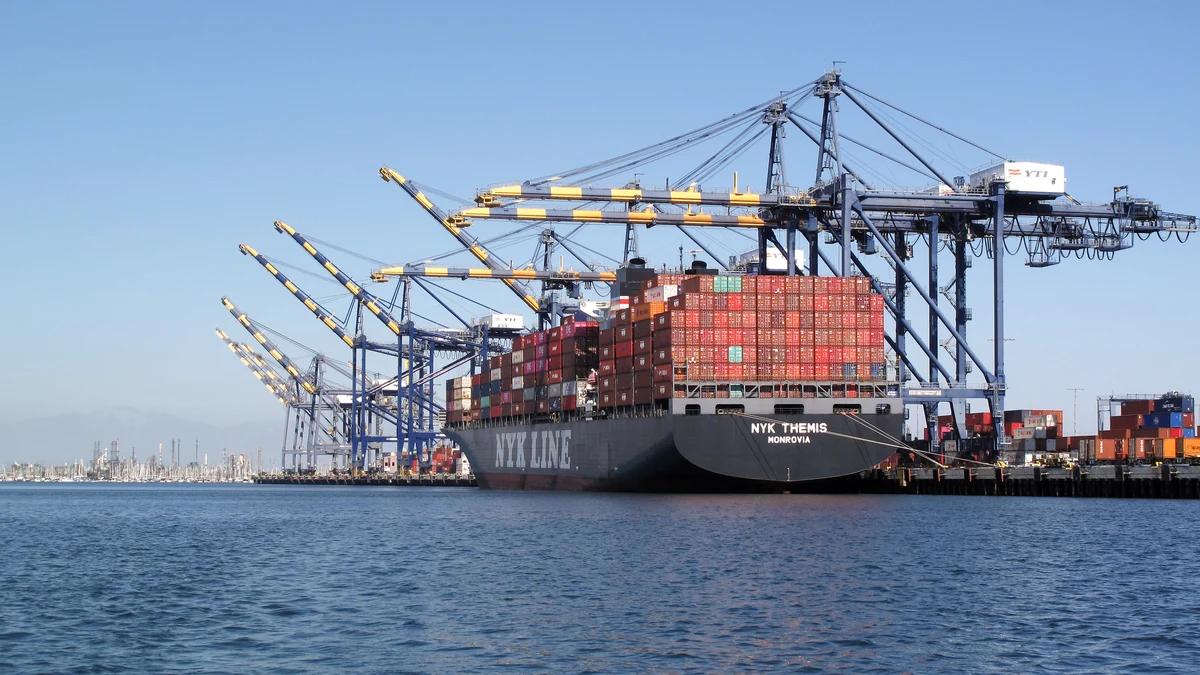
The diplomatic drawdown follows weeks of sharp escalation across regional transit corridors. Iranian-backed Houthi forces in Yemen have intensified aerial salvos targeting southern Saudi Arabian infrastructure and international commercial shipping traversing the Bab al-Mandab Strait, deploying multi-directional drone swarms and anti-ship ballistic missiles that have repeatedly tested allied air defense networks.
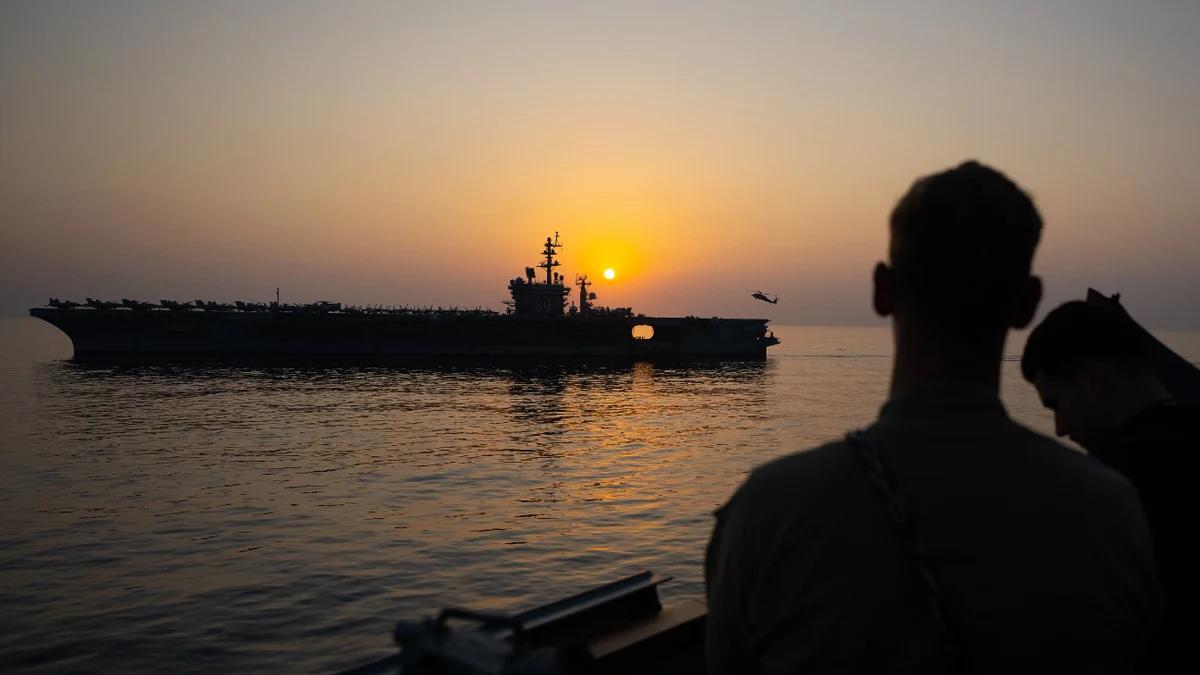
United States Navy guided-missile destroyers operating in the southern Red Sea—supported by the USS Dwight D. Eisenhower carrier strike group—have intercepted dozens of inbound aerial threats over the past seventy-two hours. However, defense analysts warn that low-altitude drone saturation tactics risk overwhelming land-based Patriot and THAAD missile defense batteries stationed around strategic energy terminals and urban centers.
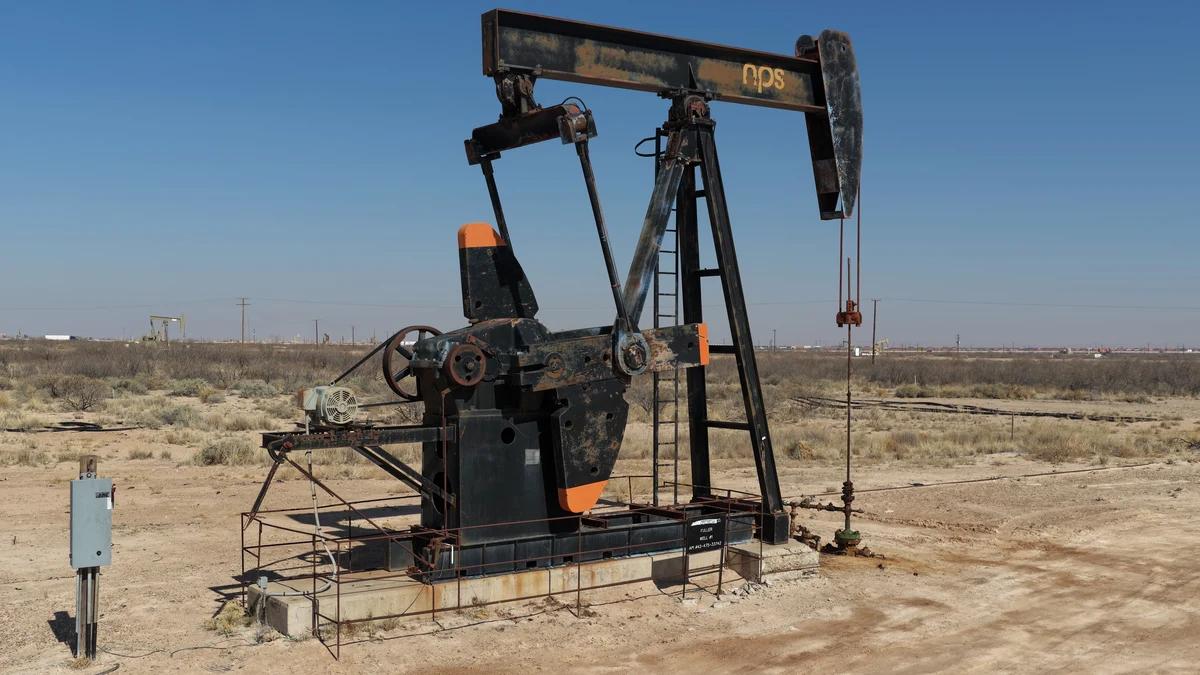
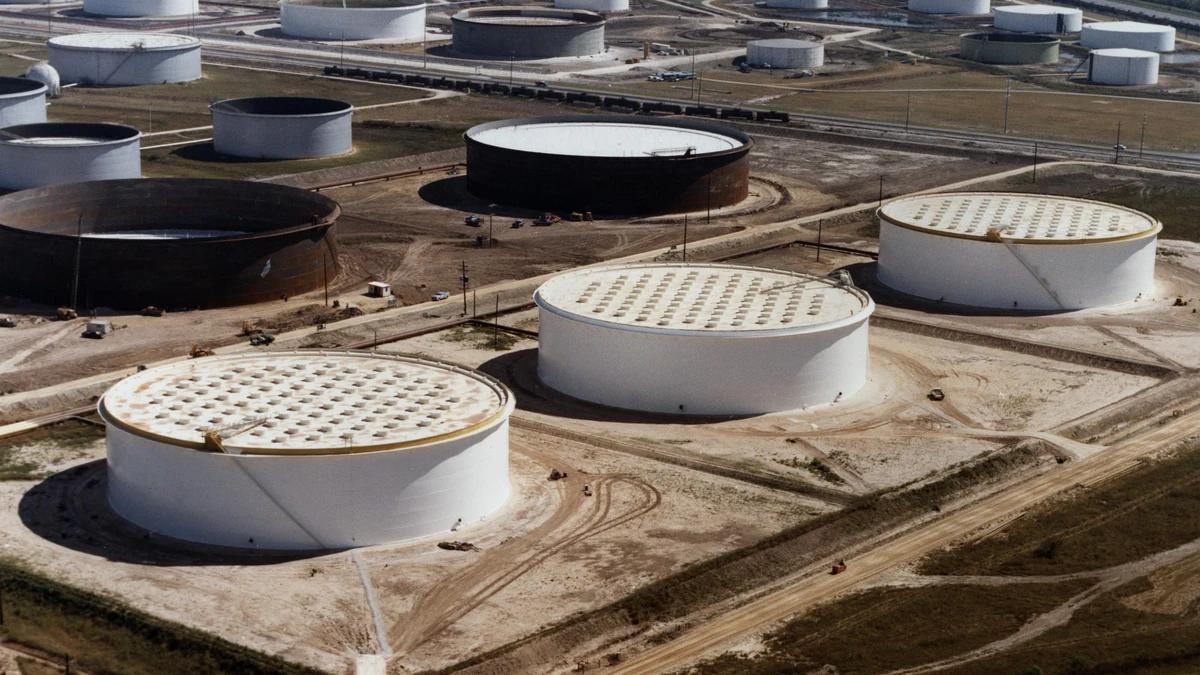
Regional oil facilities along the Persian Gulf coast, including critical pumping stations and pipeline hubs in Saudi Arabia's Eastern Province, have been placed on maximum military alert. Saudi defense forces have deployed additional interceptor aircraft and mobile counter-unmanned aerial systems (C-UAS) around civil aviation airports and commercial desalination plants to deter potential sabotage.
Diplomatic Repercussions for Regional De-Escalation Talks
The evacuation order cast a sober shadow over concurrent diplomatic negotiations taking place in Abu Dhabi, where American, Saudi, and Emirati defense envoys have spent the week drafting framework regional security accords. Negotiators had expressed cautious optimism on Monday that commercial maritime corridors through the Strait of Hormuz could be safeguarded through cooperative naval escorts.
Diplomatic sources noted that the State Department’s precautionary personnel reduction is intended to minimize potential civilian casualties and diplomatic vulnerability without severing communication channels with Saudi leadership. Crown Prince Mohammed bin Salman held phone consultations with senior White House officials on Tuesday evening, reaffirming the bilateral defense partnership while pledging continued intelligence sharing to neutralize regional launch sites.
As commercial airlines review flight paths over the Arabian Gulf and multinational corporations evaluate expatriate staffing in the Gulf, American military commanders reiterated that United States Central Command (CENTCOM) retains overwhelming air and maritime firepower in theater to defend American personnel, protect allied sovereignty, and deter wider regional war.