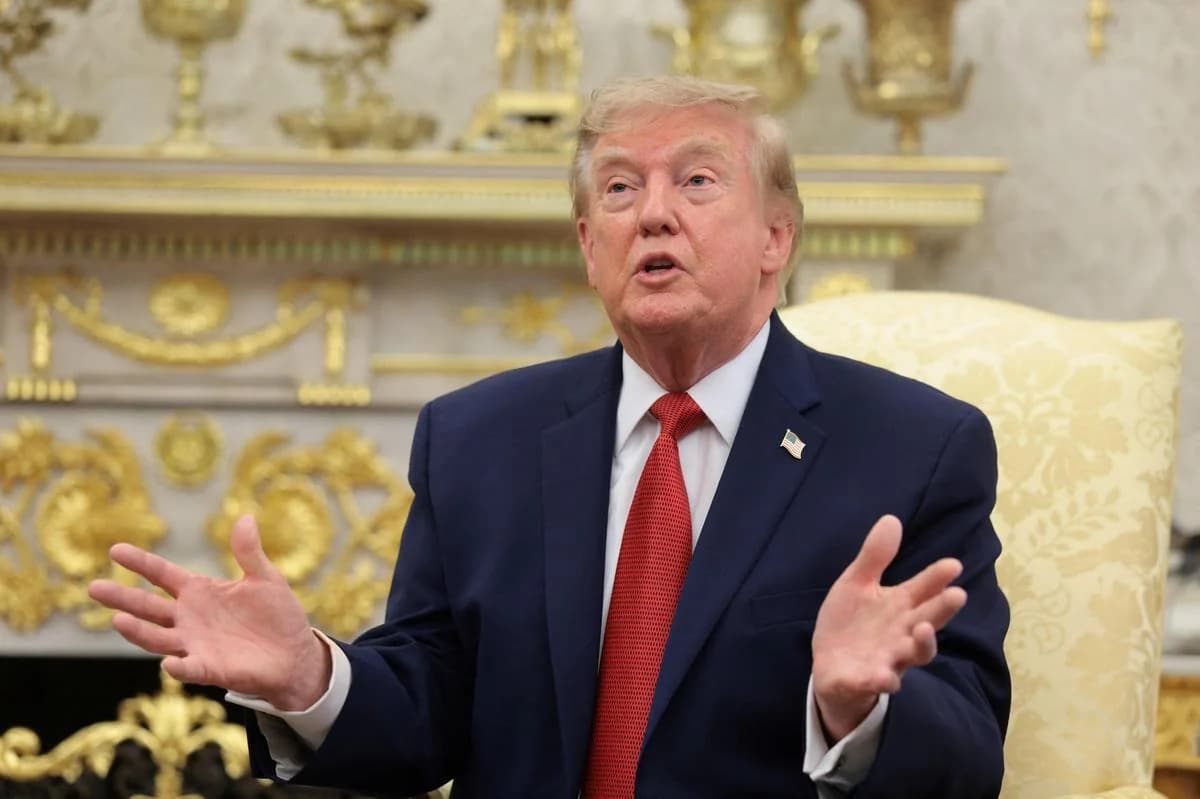
President Donald Trump's ambitious proposal to erect a 250-foot neoclassical monumental arch overlooking the Potomac River corridor near Arlington National Cemetery has ignited a fierce legal and preservationist battle in the nation's capital. Following the president's Veterans Day address in which he framed the planned structure as a permanent tribute to American military veterans, coalitions of retired service members, historic preservationists, and descendants of President John F. Kennedy intensified federal litigation aimed at halting pre-construction groundwork.
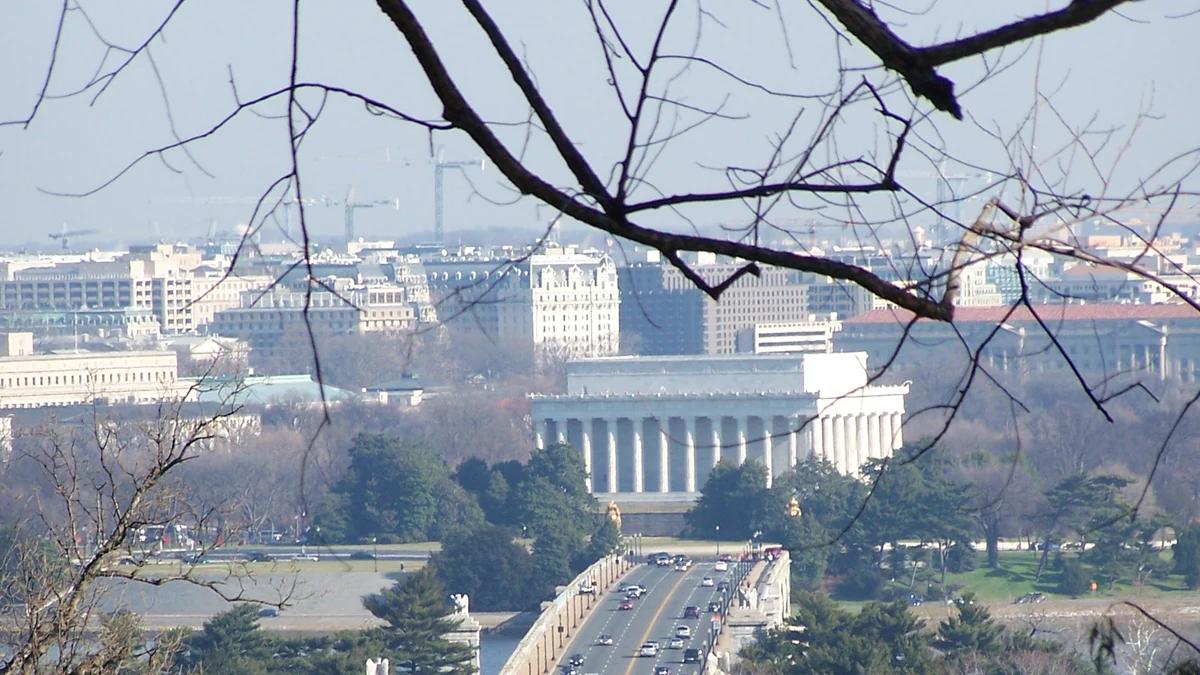
Speaking during solemn observances on November 11, President Trump suggested that the towering stone monument—informally dubbed by critics in political circles as the "Arc de Trump"—would honor generations of armed forces personnel who defended the United States. Administration planners envision the monumental gateway anchored along the visual axis connecting the Lincoln Memorial and Arlington Memorial Bridge, creating an imposing ceremonial entrance into the capital from Northern Virginia.
Federal Lawsuits Challenge Environmental and Statutory Authority
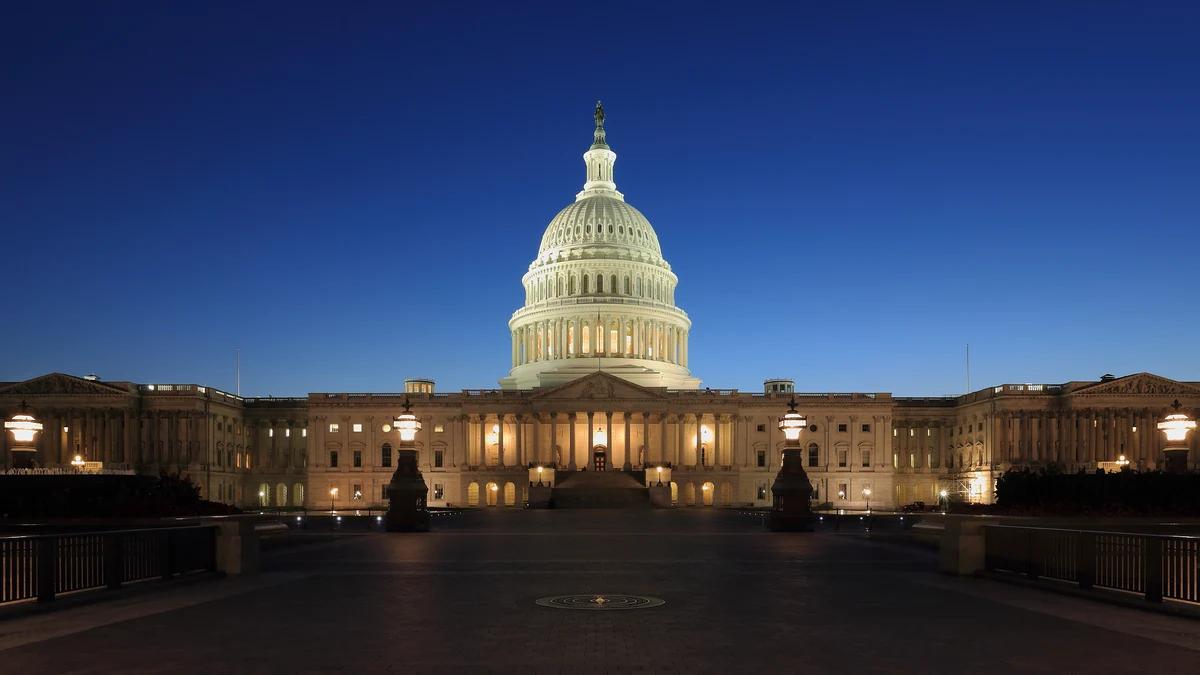
Opponents contend that the White House is attempting to bypass decades-old congressional statutes governing commemorative works in Washington, D.C. Under the Commemorative Works Act, major memorials situated within the federally protected Monumental Core generally require explicit congressional authorization, multi-year review by the National Capital Planning Commission, and formal approval from the U.S. Commission of Fine Arts.
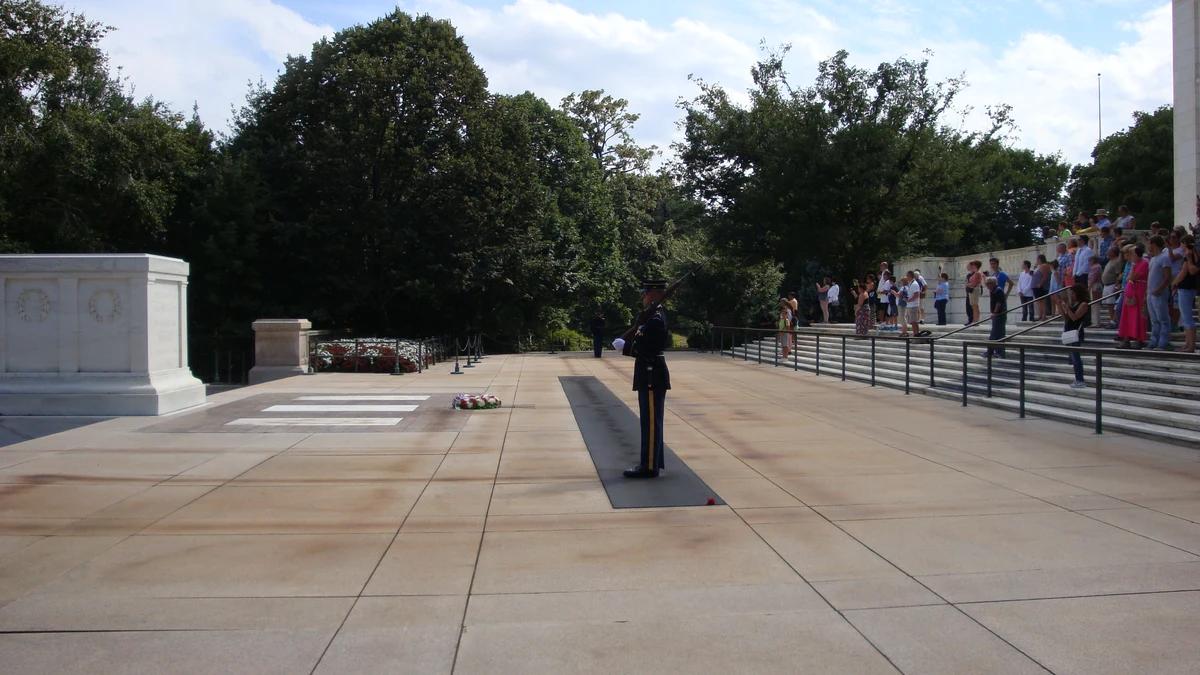
Lawyers representing a coalition of military veterans and Kennedy family descendants argued in updated court filings this week that constructing a 250-foot edifice adjacent to Arlington National Cemetery would permanently alter the historic sightlines surrounding President Kennedy's eternal flame and the Tomb of the Unknown Soldier. Plaintiffs further alleged that the administration relied on expedited executive procurement directives without completing mandatory National Environmental Policy Act (NEPA) impact assessments.
"Arlington and the Memorial Bridge corridor were deliberately designed to preserve contemplative openness, dignity, and unbroken architectural harmony between the Lincoln Memorial and our nation's most sacred burial grounds," stated counsel for the preservation coalition. "An unapproved colossus of this magnitude violates both federal statutory safeguards and the solemn character of the cemetery."
White House Defends Vision as Patriotic Landmark
Administration officials dismissed the litigation as politically motivated obstructionism, maintaining that the project falls within executive authority over federal parklands and ceremonial infrastructure upgrades tied to America's 250th anniversary milestones. White House spokespersons emphasized that private philanthropic pledges, rather than direct taxpayer appropriations, are slated to underwrite the majority of engineering and stone masonry expenses.
Architectural historians remain sharply divided over the design. Supporters argue that grand classical monuments reinforce national civic pride and mirror historic European victory arches, while urban planners warn that massive structural foundations along the Potomac floodplain could strain adjacent bridge approaches and historic parkland ecosystems. With an expedited federal court hearing scheduled later this month, the fate of the proposed landmark now rests on whether judicial injunctions freeze site preparation ahead of the incoming 2027 congressional session.