Accelerating global temperature records and severe climatic anomalies are no longer distant ecological threats but immediate structural hazards destabilizing international commerce, according to a landmark policy report published Monday by the United Nations Conference on Trade and Development (UNCTAD). The report warns that climate-driven disruptions to vital maritime corridors, agricultural supply networks, and logistics hubs could impose more than $3.8 trillion in direct economic losses and inflationary supply shocks by the end of the decade.
The comprehensive 180-page assessment, released simultaneously in Geneva and Washington, highlights how extreme weather patterns have repeatedly severed critical global transit choke points over the past twenty-four months. Historic droughts have severely constrained vessel throughput across the Panama Canal, while unprecedented water temperature shifts and riverine drying across Europe and North America have repeatedly halted inland barge traffic transporting critical agricultural grains and industrial chemicals.
"Trade cannot function in isolation from the biosphere that sustains it," declared UNCTAD Secretary-General Rebeca Grynspan during the report’s presentation. "Without immediate, harmonized trade policies and substantial capital investment into climate-resilient port infrastructure, the compounding effects of climate instability will degrade supply chain reliability, disproportionately punishing developing nations and reigniting global consumer inflation."
Choke Points Vulnerabilities and Agricultural Strains
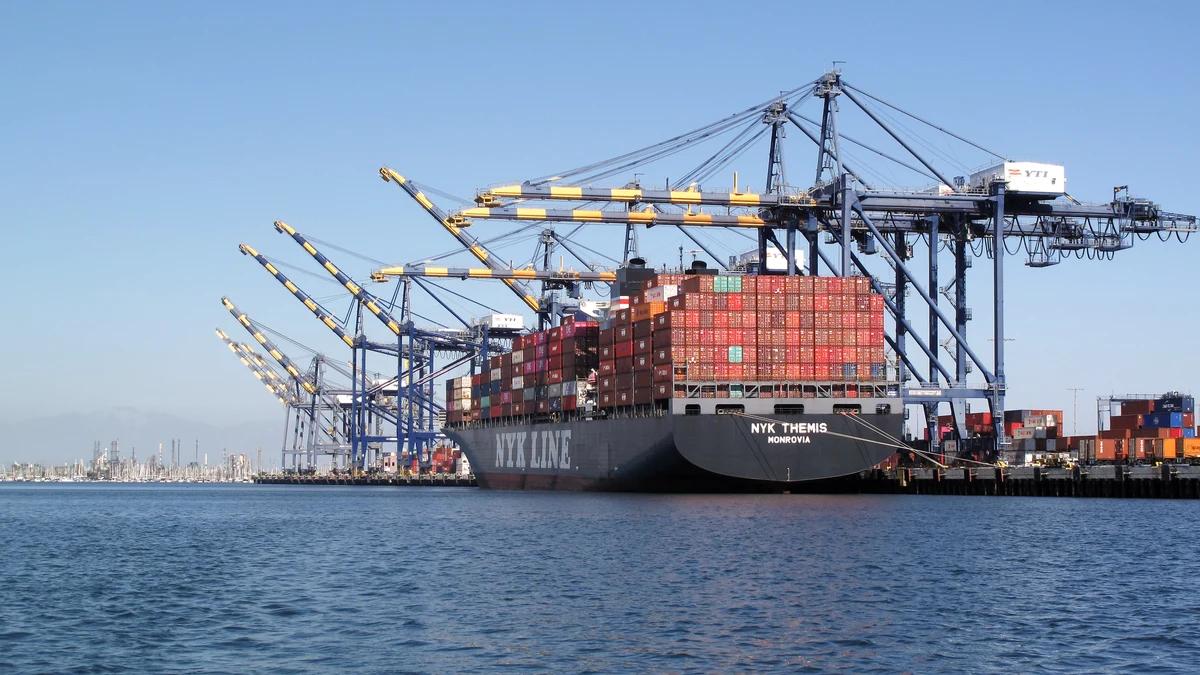
The report details how critical port terminals across the U.S. Gulf Coast, Southeast Asia, and Western Europe are increasingly vulnerable to high-intensity storms, sea-level surges, and prolonged heat waves that diminish labor productivity and damage automated cargo handling infrastructure. Global maritime transit accounts for more than eighty percent of all internationally traded goods by volume, meaning even localized port closures rapidly cascade into worldwide manufacturing bottlenecks.
Agricultural commodities face the most acute near-term jeopardy. Unpredictable monsoons, soil moisture depletion, and record heat waves in 2026 have severely reduced wheat, soybean, and coffee harvests across major exporting regions in South America and South Asia. The UNCTAD analysis warns that food price volatility will remain elevated throughout 2027 unless multilateral trading systems establish protective grain reserve agreements and reduce unilateral export restrictions.
The report also examines the growing intersection between environmental regulations and international trade friction. While major economies—including the European Union with its Carbon Border Adjustment Mechanism (CBAM) and the United States through clean manufacturing provisions—aim to decarbonize supply chains, disparate regulatory frameworks risk creating trade barriers that penalize emerging markets lacking financial resources for rapid industrial retooling.
Bipartisan Implications for US Trade Strategy
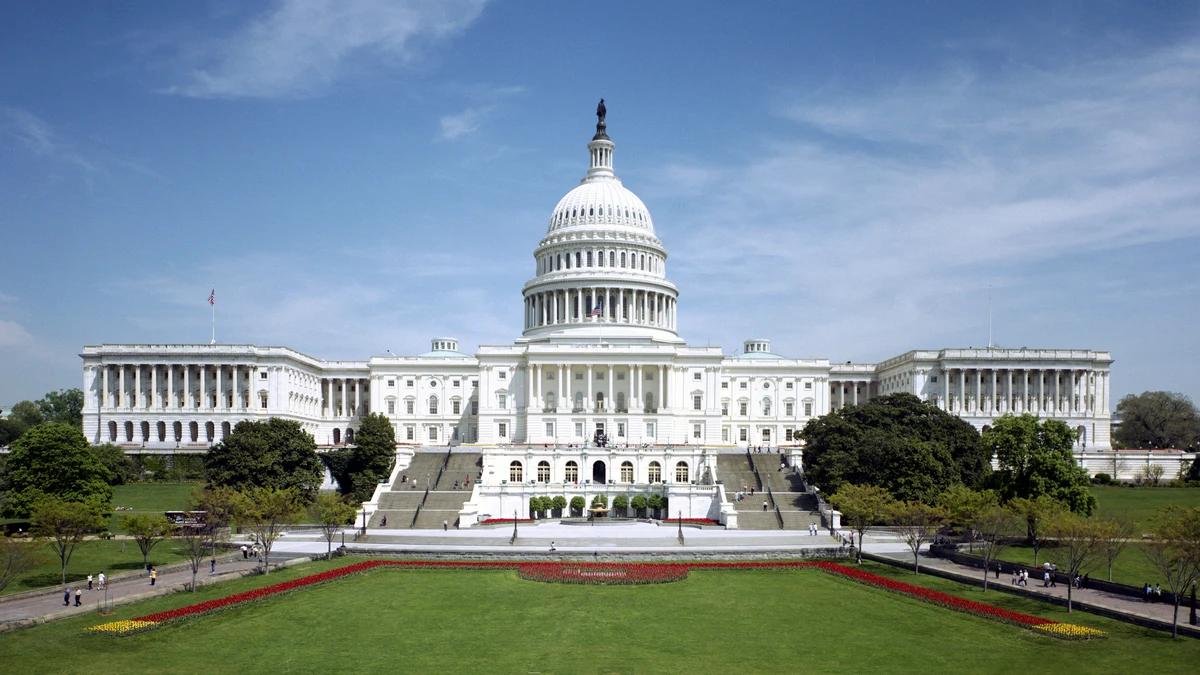
In Washington, the UNCTAD findings arrive at a pivotal juncture as congressional lawmakers navigate the legislative aftermath of the 2026 midterm elections. Trade policy debates are intensifying over proposals to expand unilateral tariffs on carbon-intensive foreign imports while reassessing clean energy tax incentives established under federal climate legislation.
Environmental economists emphasize that defensive tariffs alone cannot insulate domestic markets from global climate shocks. The UNCTAD report urges the United States to lead an international coalition dedicated to green trade facilitation, technology transfer for port electrification, and streamlined customs procedures for zero-emission maritime shipping.
"American businesses depend intimately on global supply networks that are currently unequipped for a world of recurring extreme weather," noted Dr. Elena Morales, director of the Sustainable Commerce Initiative. "Integrating climate risk assessments into federal trade policy is no longer just an environmental priority; it is an urgent economic necessity for national competitiveness."