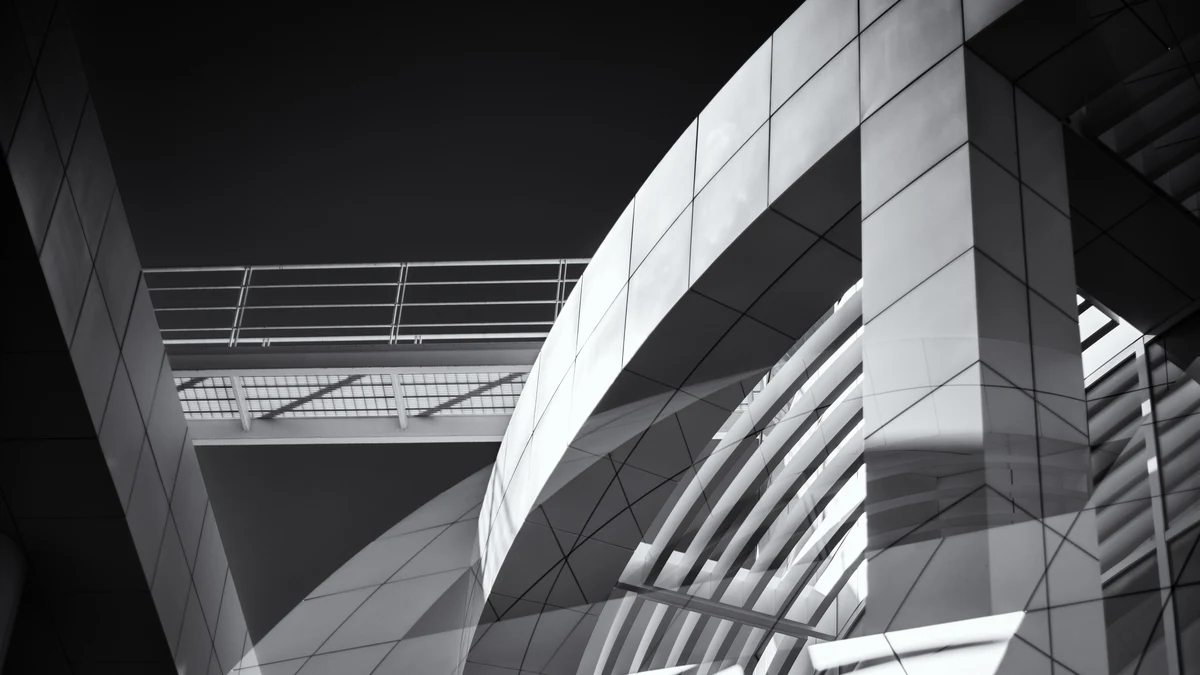
Southern California's premier art and architecture institutions are uniting this November to stage an unprecedented multi-venue retrospective honoring the life, craft, and cultural legacy of Paul Revere Williams, the pioneering African American architect whose sweeping designs helped define twentieth-century Los Angeles. Opening across the Los Angeles County Museum of Art (LACMA), the Getty Center, and the USC Fisher Museum of Art, the coordinated exhibitions assemble rare archival blueprints, hand-rendered perspective drawings, and newly commissioned architectural photography.
Often celebrated as the "Architect to the Stars," Williams overcame rigid racial barriers and restrictive housing covenants during the 1920s through the 1960s to design more than three thousand structures spanning Southern California and beyond. His iconic portfolio ranges from the mid-century Googie curves of the LAX Theme Building and the Beverly Hills Hotel's Polo Lounge to public housing complexes, civic courthouses, and refined private residences.
Digital Preservation and Public Art Across Los Angeles
Curators from the participating museums emphasized that the joint 2026 showcase leverages decades of joint archival preservation by USC and the Getty Research Institute, bringing fragile linen drawings into public view alongside interactive 3D spatial models. By examining how Williams blended Spanish Colonial Revival, Hollywood Regency, and mid-century modernism, the exhibitions illuminate how civic design shaped California's postwar identity.
Elsewhere in Los Angeles's vibrant cultural landscape, the City of Santa Monica's Cultural Affairs Division expanded its Art in Motion (AMP) public programming this week, debuting rotating large-format digital video installations across the Third Street Promenade and Santa Monica Place. Meanwhile, cinephiles gathered at the Academy Museum of Motion Pictures on November 11 for a special 4K restoration screening of Billy Wilder's classic *Some Like It Hot*.
Hollywood Grapples With AI Storyboarding Debates
Across the broader American entertainment industry, cultural conversations are increasingly intersecting with technological disruption. Reports this week detailing the growing adoption of artificial intelligence storyboarding tools by veteran filmmakers have sparked spirited debate across Hollywood guilds regarding creative authorship, pre-visualization craft, and long-term protections for traditional cinematic illustrators.