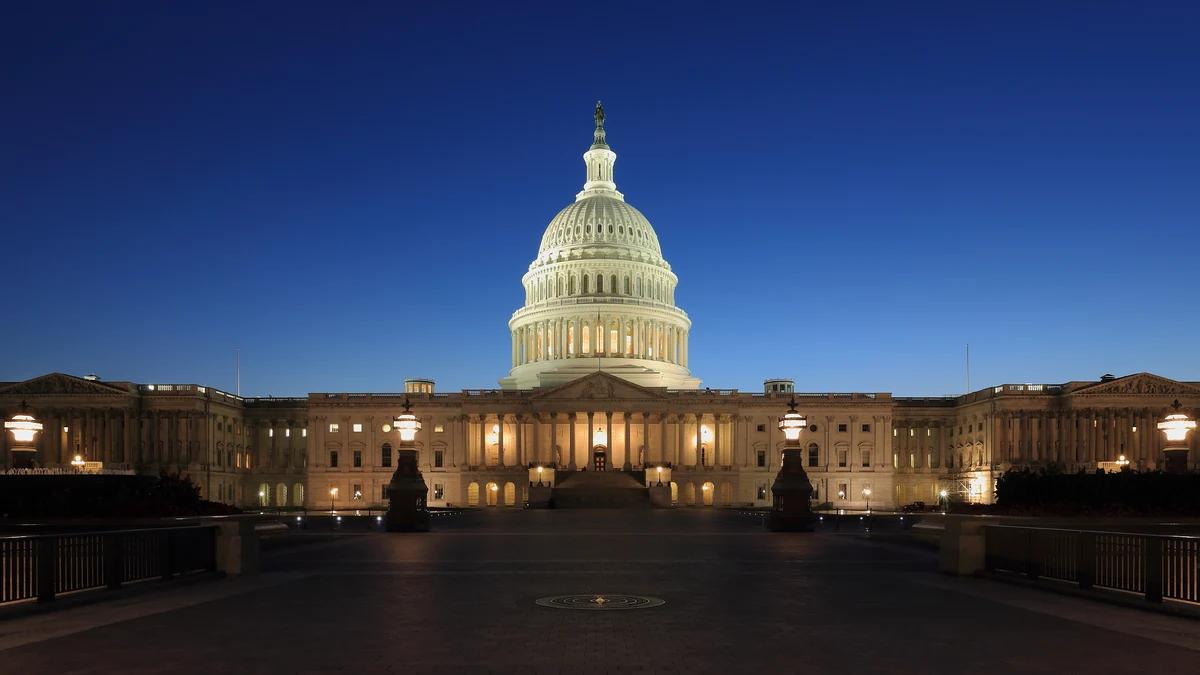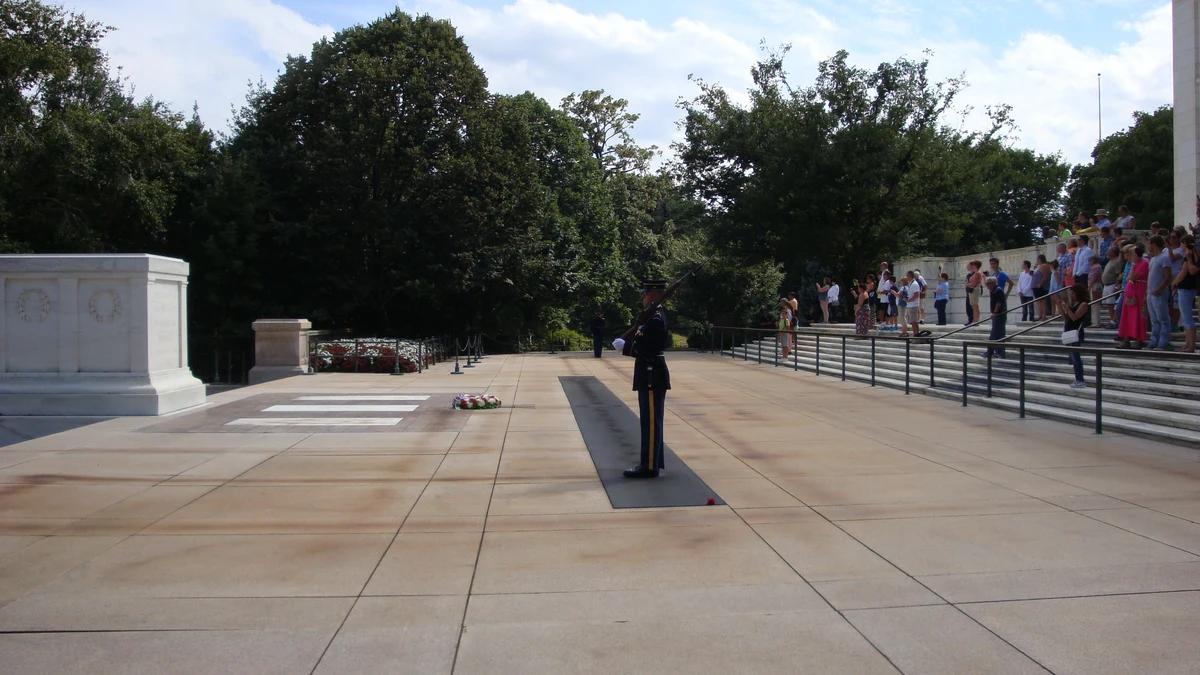
Under crisp autumn skies and amidst the quiet rolling hills of Arlington National Cemetery, the nation paused on Wednesday to observe Veterans Day 2026, rendering solemn and heartfelt tribute to the more than eighteen million living American veterans who have answered the call of military service. At the historic Tomb of the Unknown Soldier, senior military commanders, cabinet officials, and thousands of citizen onlookers gathered for the traditional Presidential Wreath-Laying Ceremony, commemorating the profound sacrifices that have secured the democratic freedoms of the United States across more than two centuries.
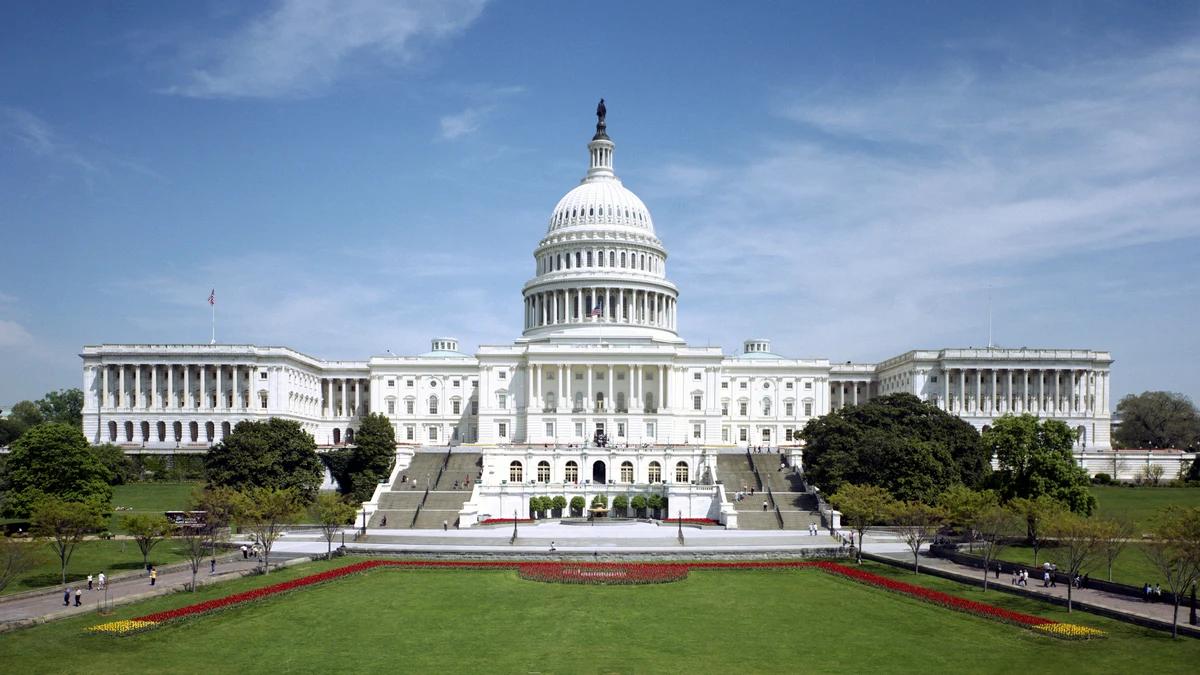
Precisely at the eleventh hour of the eleventh day of the eleventh month—marking the historic armistice that silenced the artillery guns of World War I in 1918—the mournful, solitary notes of "Taps" drifted through the cemetery's Memorial Amphitheater. Sentinels of the elite 3rd U.S. Infantry Regiment (The Old Guard), executing their timeless, twenty-one-step patrol with mathematical precision, stood watch as dignitaries placed a magnificent floral wreath of red, white, and blue blossoms before the marble sarcophagus overlooking Washington D.C.
In the official Veterans Day address delivered on behalf of the administration, Department of Veterans Affairs leadership emphasized the enduring social contract between the American republic and the citizens who defend it. Officials stressed that honoring veterans requires not merely rhetorical praise during national holidays, but tangible, lifelong investments in specialized healthcare, mental wellness resources, educational opportunities, and housing stability.
Honoring Diverse Generations of American Service
Wednesday’s commemorations carried special historical resonance across the National Mall. At the National World War II Memorial, aging veterans of the Greatest Generation—now dwindled to a revered few thousand nationwide—were honored alongside centenarian Korean War veterans in emotional morning ceremonies marked by family reunions and military musical tributes.
Nearby, at the Vietnam Veterans Memorial, volunteers concluded the annual reading of names, reciting aloud the 58,281 names etched into the reflective black gabbro wall. Younger generations of veterans who served across the post-9/11 battlefields of Iraq, Afghanistan, the Horn of Africa, and the Persian Gulf gathered in brotherhood, reflecting on the complex physical and psychological bonds forged through modern combat deployments.
"To wear the cloth of our nation is to accept a burden that civilians can scarcely imagine," said retired Marine Corps General James Cartwright during a keynote address at the National Museum of the Marine Corps in Quantico, Virginia. "Veterans Day is a reminder to all Americans that peace is never an accident of history. It is purchased and preserved every single hour by men and women willing to place their lives between our country and danger."
Expanding Veteran Healthcare and Mental Wellness Support
Beyond ceremonial tributes, Veterans Day 2026 highlighted major federal milestones in veteran care delivery. The Department of Veterans Affairs announced that more than 1.4 million veterans have now received specialized healthcare coverage and disability compensation under the historic PACT Act, which expanded medical benefits for service members exposed to toxic burn pits, chemical agents, and environmental radiation during overseas tours.
VA clinics nationwide also showcased expanded telehealth and peer-support networks designed to combat veteran isolation and mental health crises. New community partnerships with veteran service organizations have helped reduce veteran homelessness by eighteen percent over the past twenty-four months, connecting vulnerable former service members with rapid rehousing vouchers and career re-training apprenticeships in advanced clean energy and logistics manufacturing.
From small-town parades along Main Streets across the heartland to formal naval gun salutes in coastal ports, the 2026 observances reinforced the unifying power of military service in an often polarized nation. In honoring those who sacrificed for the common defense, American communities rediscovered their shared debt to the citizens who secured the nation’s past and stand guard over its future.