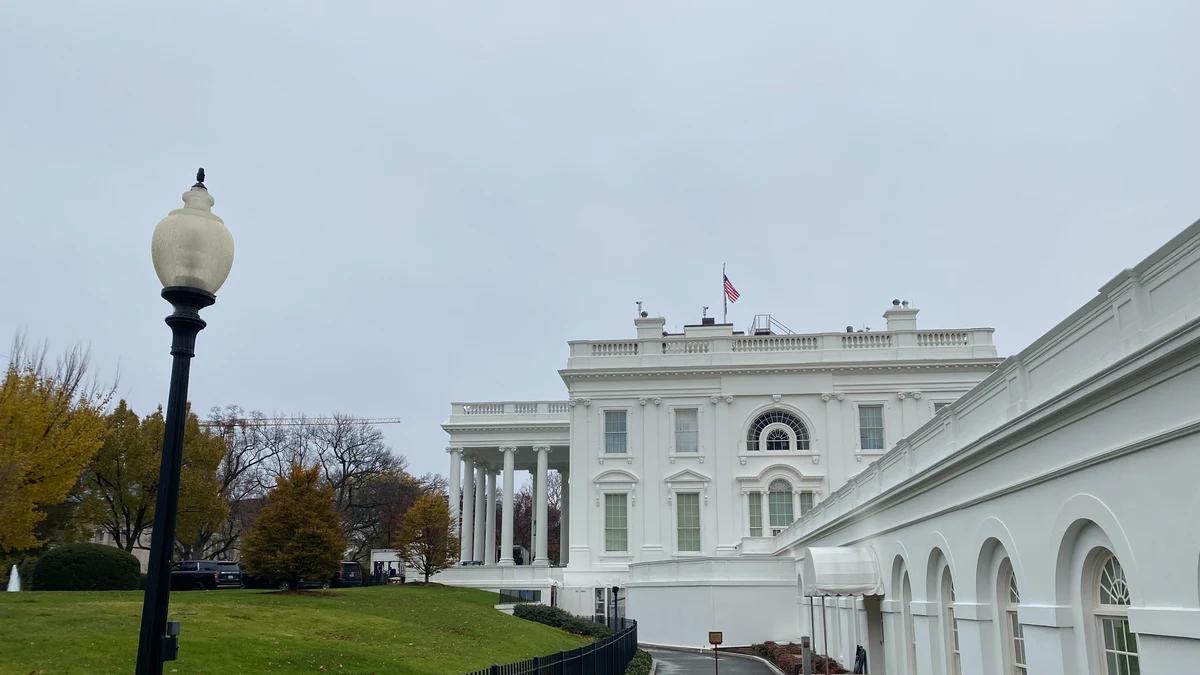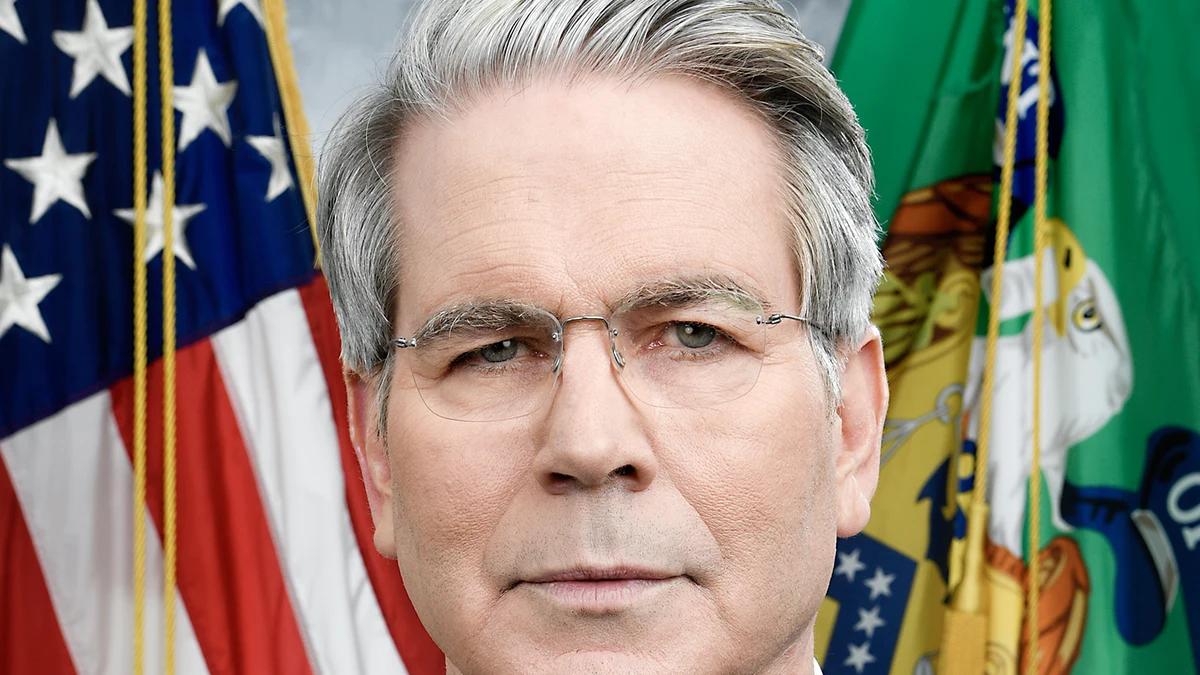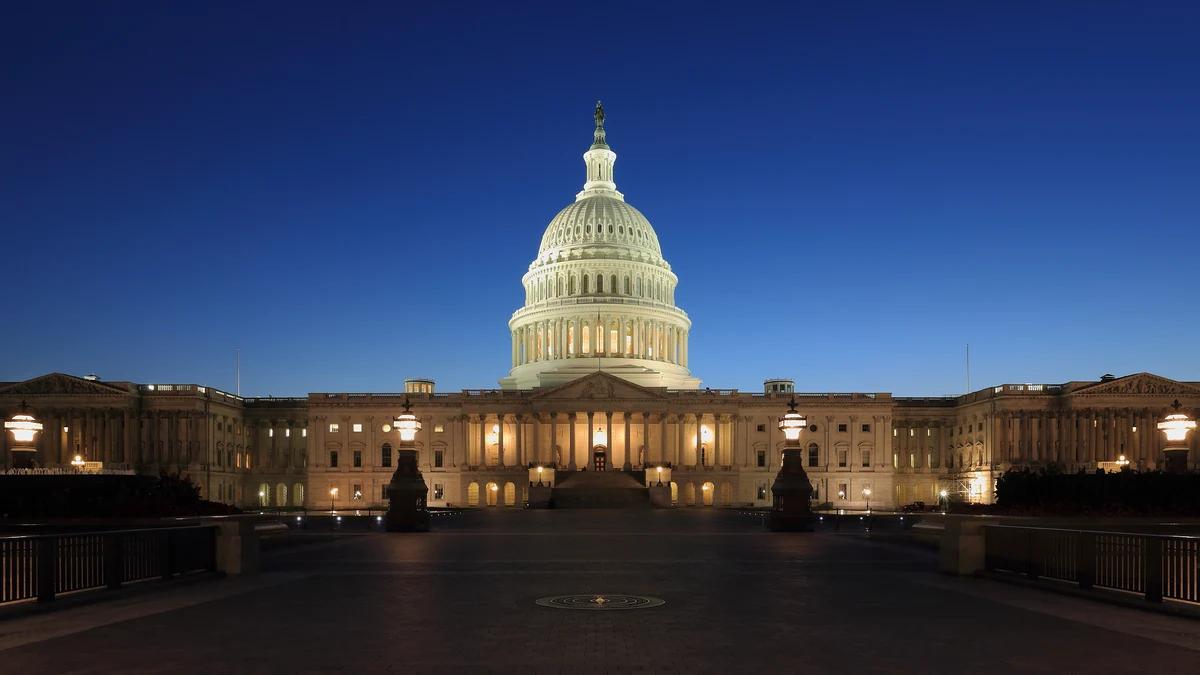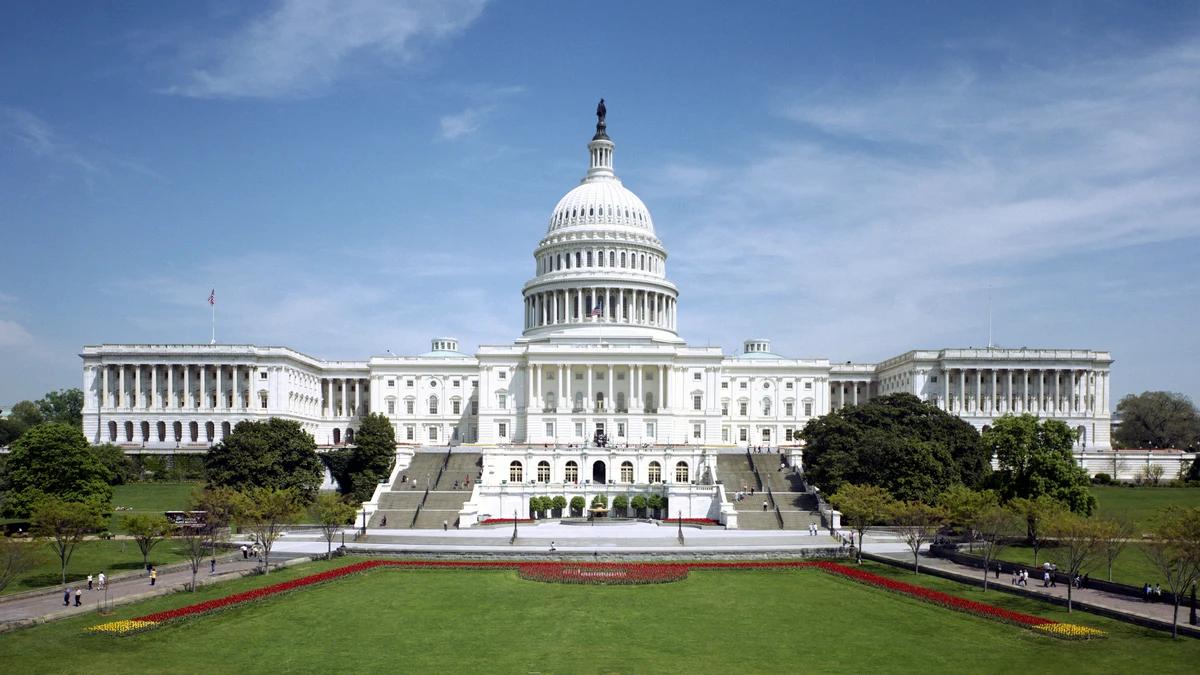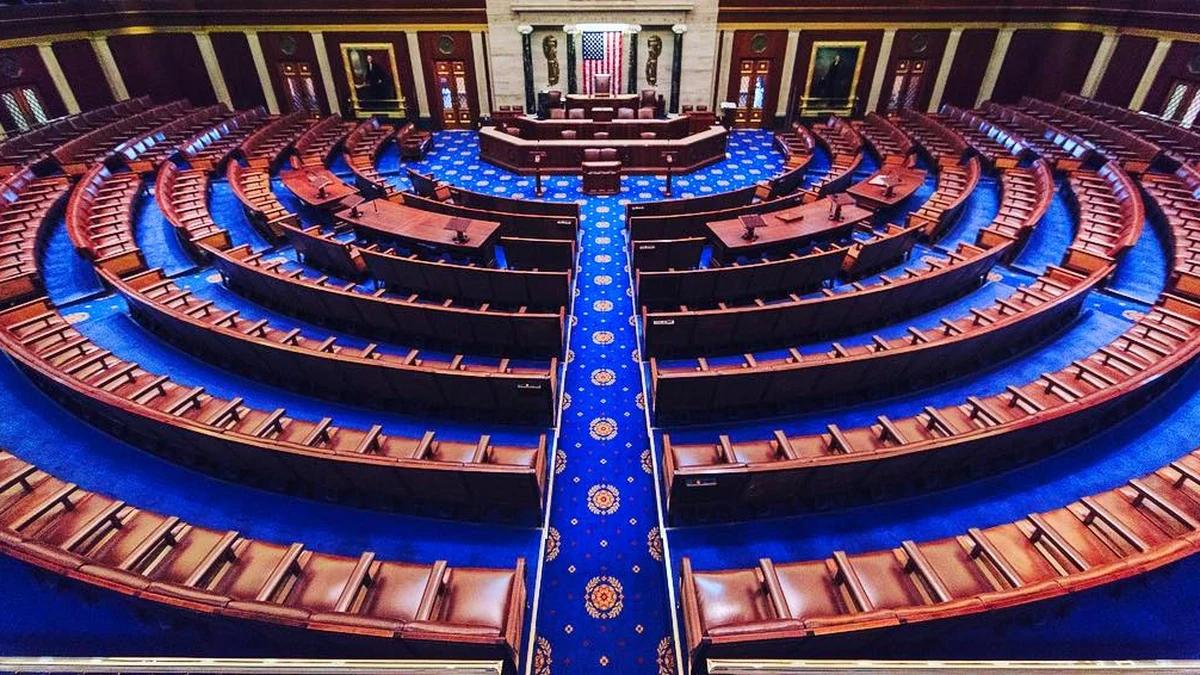
Before a single gavel has fallen in the incoming 120th Congress, the opening salvos of Washington's next great constitutional standoff have already been fired. The White House Counsel's decision to hire more than fifteen additional litigation attorneys—paired with Will Scharf's preemptive warning to incoming House Oversight Chairman Robert Garcia—signals that divided government in 2027 will not resemble routine legislative horse-trading. Instead, the capital is bracing for a protracted war of attrition over subpoenas, executive privilege, and the outer boundaries of Article I oversight.
At the heart of this collision lies a fundamental disagreement over democratic accountability. Voters who shifted control of the House of Representatives in the 2026 midterms did not merely register discontent over consumer inflation or healthcare costs; they also delivered a verdict on two years of largely unchecked executive discretion. From federal contracting awards and pardon decisions to national security export exceptions, Democratic lawmakers argue they hold an unambiguous constitutional duty to inspect how the executive branch exercises power.
The Limits of Preemptive Executive Resistance
The administration's strategy—signaling blanket skepticism toward committee demands on the grounds that they lack a "legitimate legislative purpose" while hinting at retaliatory investigations—relies heavily on dragging subpoena disputes through multi-year federal court calendars. Because civil enforcement litigation can easily stretch across an entire two-year congressional term, delay itself frequently functions as an effective political shield.
Yet Supreme Court precedent, notably the landmark *Trump v. Mazars* framework, cuts both ways. While the justices cautioned Congress against issuing overbroad requests untethered from legislative reform, the Court simultaneously reaffirmed that congressional oversight is indispensable to writing informed laws, appropriating public funds responsibly, and deterring official corruption. Measures such as the newly introduced Abuse of the Pardon Prevention Act demonstrate how targeted statutory proposals—requiring independent Justice Department Inspector General reviews of clemency conflicts—anchor oversight firmly within Congress's lawmaking prerogative.
Governance Beyond Spectacle
The true test facing both branches in 2027 is whether oversight produces substantive institutional guardrails rather than endless cable-news theater. If House committees focus rigorously on verifiable policy failures—such as semiconductor export vulnerabilities, public health preparedness, and federal procurement integrity—they stand a strong chance of prevailing in federal court and earning durable public trust.
Conversely, if both sides treat constitutional processes solely as partisan weapons, citizens will only grow more alienated from Washington institutions. Divided government works best when friction forces transparency and compromise, reminding every occupant of the White House that executive authority remains answerable to the people's elected representatives.