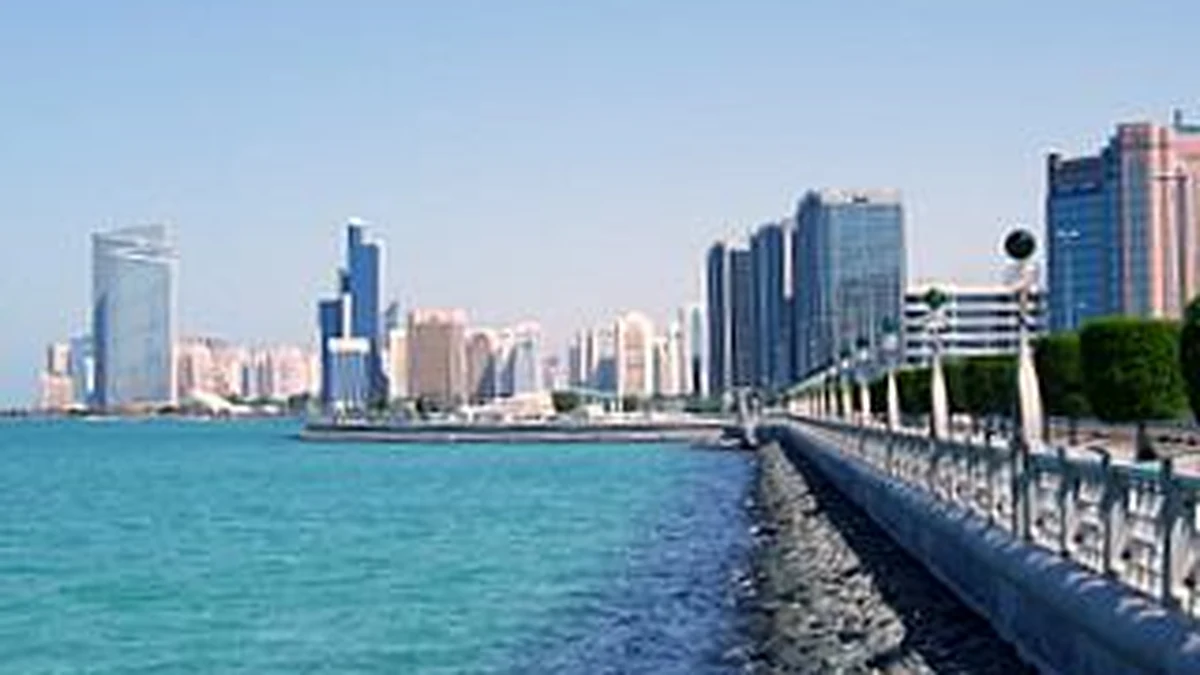
Senior American diplomats and military commanders joined defense ministers from Saudi Arabia, the United Arab Emirates, Bahrain, and regional allied nations in Abu Dhabi on Monday to inaugurate critical framework security consultations. The emergency diplomatic summit seeks to construct a durable multilateral security architecture capable of containing regional hostilities and preventing a catastrophic closure of commercial energy corridors across the Persian Gulf.
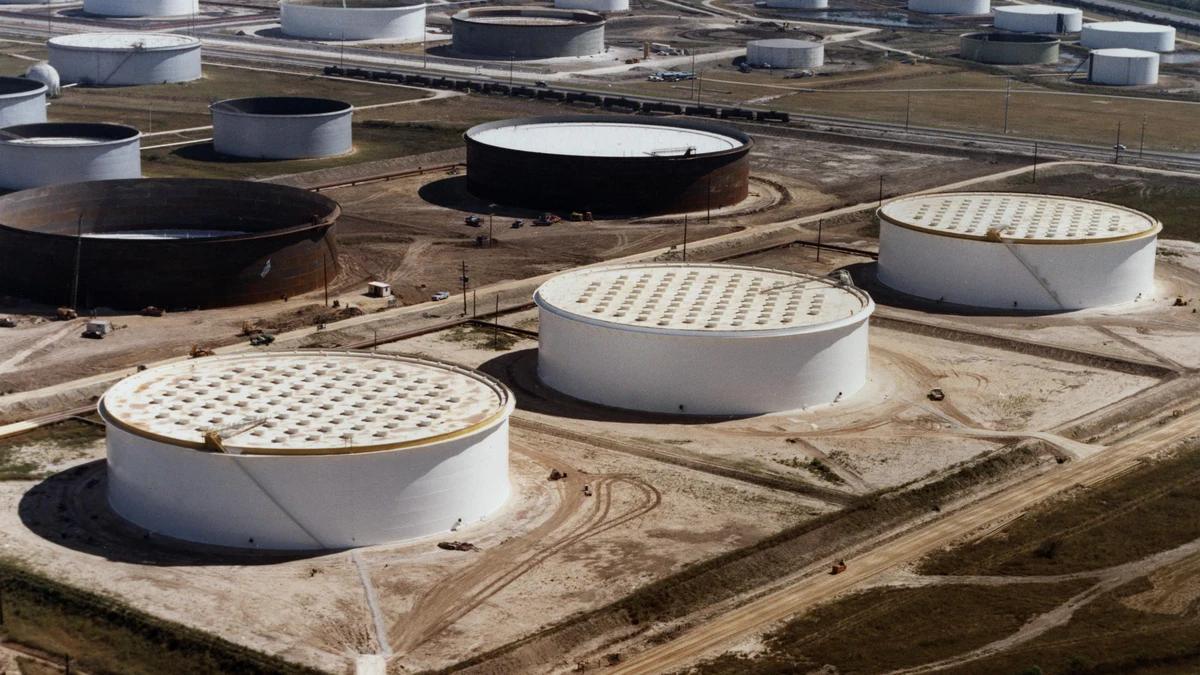
The talks convene following weeks of elevated military tensions that witnessed reciprocal missile exchanges, naval skirmishes in the Arabian Sea, and cross-border drone strikes targeting petroleum storage sites. The primary agenda in the Emirati capital centers on formalizing an integrated air and missile defense umbrella and establishing coordinated naval escort corridors to guarantee unhindered commercial navigation through the Strait of Hormuz.
Special Presidential Envoy for Middle Eastern Affairs David Satterfield led the United States delegation alongside Vice Admiral George Wikoff, commander of U.S. Naval Forces Central Command (NAVCENT). In opening remarks, American officials reaffirmed Washington’s ironclad security guarantees to Gulf partners while emphasizing that sustainable regional stability requires localized collective burden-sharing.
Integrated Air Defenses and Maritime Escort Protocols
At the technical core of the Abu Dhabi negotiations is the operational integration of early-warning radar arrays and missile interceptors. Under the proposed framework, radar telemetry from American Aegis destroyers, Patriot surface-to-air missile batteries stationed across the Arabian peninsula, and Israeli-manufactured David’s Sling interceptor platforms will feed into a shared real-time command center located in the UAE.
This automated data-sharing arrangement aims to reduce interception response times against low-altitude loitering munitions and hypersonic cruise missiles deployed by regional proxy factions. Furthermore, delegates made substantive progress drafting the "Hormuz Freedom of Navigation Initiative," a cooperative naval convoy protocol where multinational warships will escort international oil tankers and liquefied natural gas (LNG) carriers through vulnerable choke points.
"What we are constructing in Abu Dhabi is not a temporary tactical truce, but a permanent regional defense compact," declared Anwar Gargash, senior diplomatic advisor to the UAE President. "The stability of global trade and the welfare of hundreds of millions of people depend on ensuring that commercial shipping lanes cannot be held hostage by non-state actors or reckless military aggression."
Backchannel Signals from Tehran and European Involvement
Significantly, diplomatic sources confirmed that backchannel communications through Swiss and Omani intermediaries have facilitated indirect messaging with officials in Tehran throughout the summit’s opening sessions. Iranian representatives reportedly communicated that the Islamic Republic does not seek open maritime warfare or the complete disruption of commercial energy exports, provided that foreign military forces refrain from strikes on sovereign civilian infrastructure.
European Union representatives and British defense envoys also joined the working-group sessions, offering logistical contributions to maritime mine-countermeasure operations and commercial ship tracking. The cooperative posture observed in Abu Dhabi provided an immediate psychological boost to international financial markets, contributing directly to Monday’s sharp retreat in global oil prices.
The consultations are scheduled to continue through Wednesday, with delegates working toward a formal joint communiqué outlining initial deployment schedules for combined naval patrols. While deep ideological and geopolitical distrust persists across the region, the Abu Dhabi summit represents the most substantive coordinated diplomatic effort in over a year to pull the Middle East back from the precipice of widespread regional conflict.