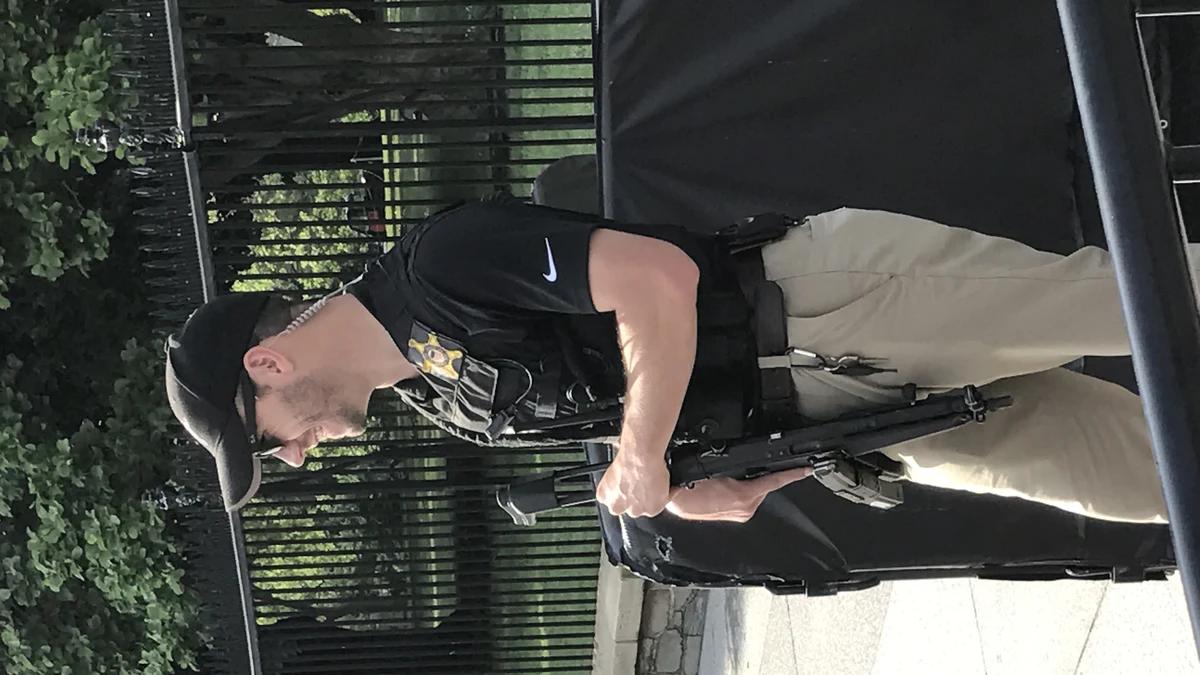
The United States Secret Service significantly fortified the security perimeter around the White House complex on Monday morning following a rapid-response armed intrusion alert in Lafayette Park. Heavily armed Uniformed Division officers, supported by the agency’s elite Counter Assault Team (CAT), established tactical checkpoints and temporarily closed pedestrian access along Pennsylvania Avenue, H Street, and 17th Street NW after observing a suspicious individual making erratic movements near the north fence line.
According to federal law enforcement authorities, agents moved swiftly to confront and subdue a male suspect after surveillance cameras and perimeter sensors detected what appeared to be a concealed firearm. Secret Service tactical units deployed non-lethal deterrent measures before taking the individual into federal custody without gunfire. The suspect was transported to a secure processing facility for questioning by the Washington Field Office and the Federal Bureau of Investigation.
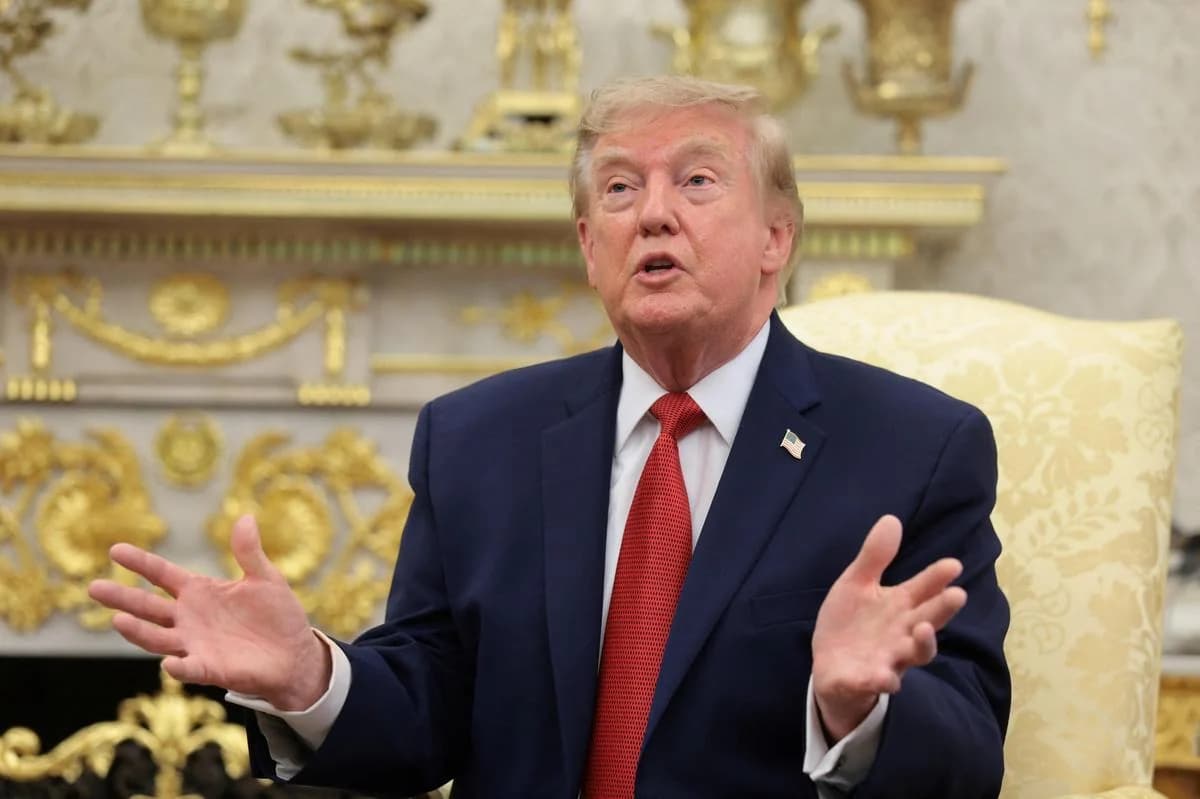
The White House complex was placed on elevated security status for approximately ninety minutes while explosive ordnance disposal technicians conducted sweeps of Lafayette Square and surrounding public thoroughfares. President Donald Trump was reportedly briefed on the tactical response while in the Oval Office, where routine administration meetings continued behind closed executive gates.
Heightened Threat Environment and Federal Perimeter Modernization
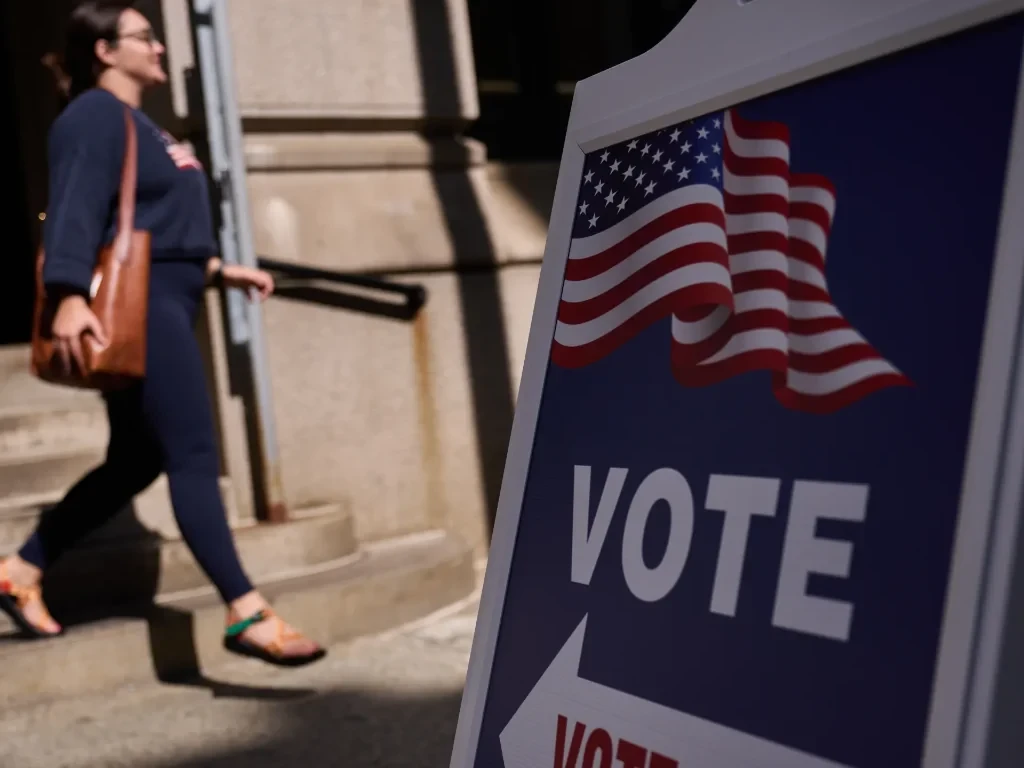
Monday’s security operation unfolded amidst an increasingly volatile domestic and international threat landscape. Over recent months, federal intelligence bulletins have repeatedly warned of heightened tensions directed toward executive leadership, driven in part by polarizing congressional battles, contentious foreign military actions, and the volatile aftermath of the 2026 midterm elections. The physical perimeter separating the executive mansion from public pedestrian plazas has long represented one of the most heavily scrutinized urban borders in the world.
Following a series of fence-scaling breaches during the past decade, the Secret Service undertook a multi-million-dollar modernization project that doubled the height of the north perimeter fence to roughly 13 feet, integrating anti-climb tip designs and buried seismic ground sensors. Monday’s incident served as a real-time operational validation of those sensor arrays, which alerted monitoring centers before the individual could attempt any direct approach to the barrier gates.
"The layered physical and electronic security apparatus surrounding the executive mansion worked precisely as calibrated," said a senior Homeland Security official familiar with the morning dispatch. "Perimeter intrusion detection identified the anomaly instantly, allowing our forward tactical units to isolate the threat within seconds and prevent any compromise of the inner security cordon."
Congressional Scrutiny and Inter-Agency Coordination
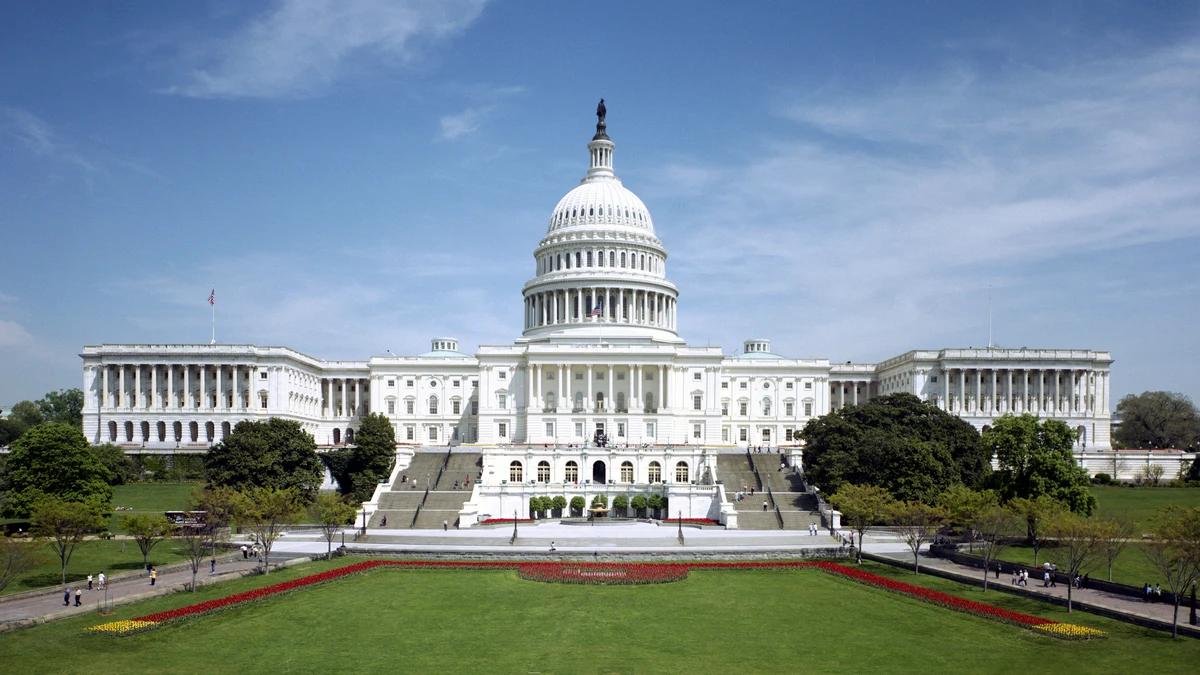
Despite the rapid containment, the incident immediately prompted bipartisan inquiries on Capitol Hill. Lawmakers on the House Homeland Security Committee and the Senate Committee on Rules and Administration announced intentions to review security logs and response protocols. Lawmakers are seeking assurances that executive protection staffing levels remain sufficient amidst broader budgetary disputes and federal hiring freezes.
Inter-agency cooperation between the Secret Service, the Metropolitan Police Department of the District of Columbia (MPD), and the United States Park Police remained visible throughout the afternoon. Additional canine detection teams and mobile armored response vehicles were positioned at key arterial intersections surrounding the Ellipse and the Treasury Department to deter secondary disruptions.
Federal prosecutors are reviewing charges including unlawful possession of a firearm in a restricted government zone, assaulting federal law enforcement officers, and attempting to breach an executive security zone. As Washington enters a tense post-election legislative cycle, federal authorities reaffirmed that enhanced visual surveillance and tactical cordons around the executive branch will remain elevated for the foreseeable future.