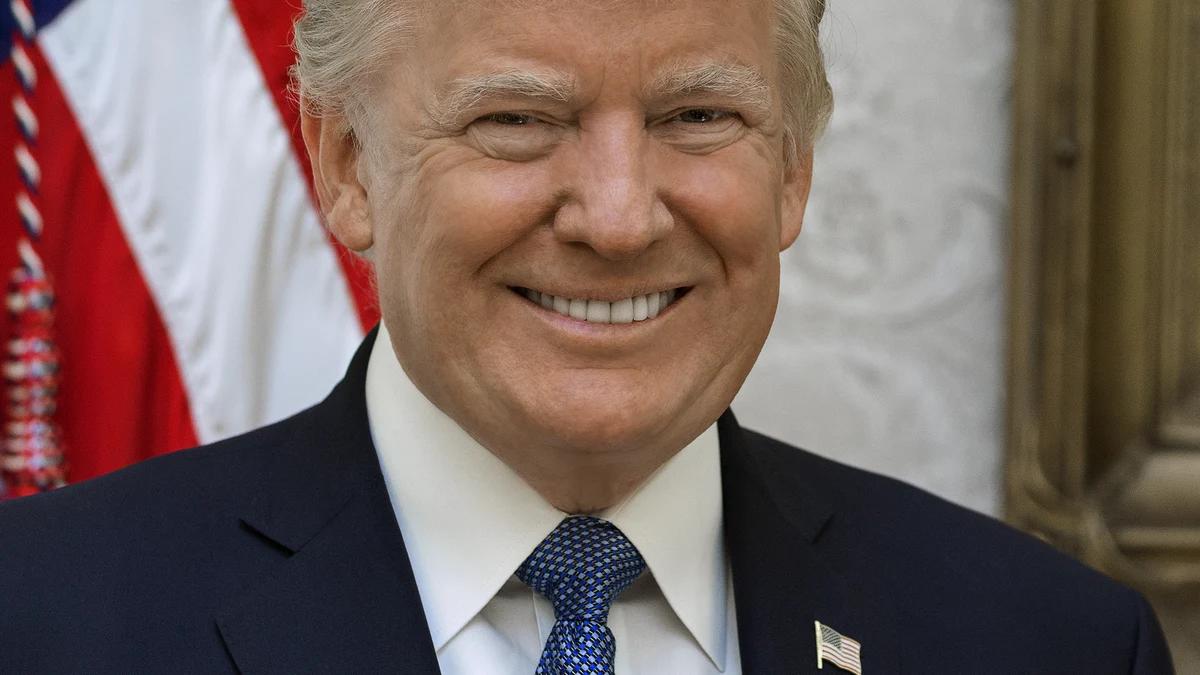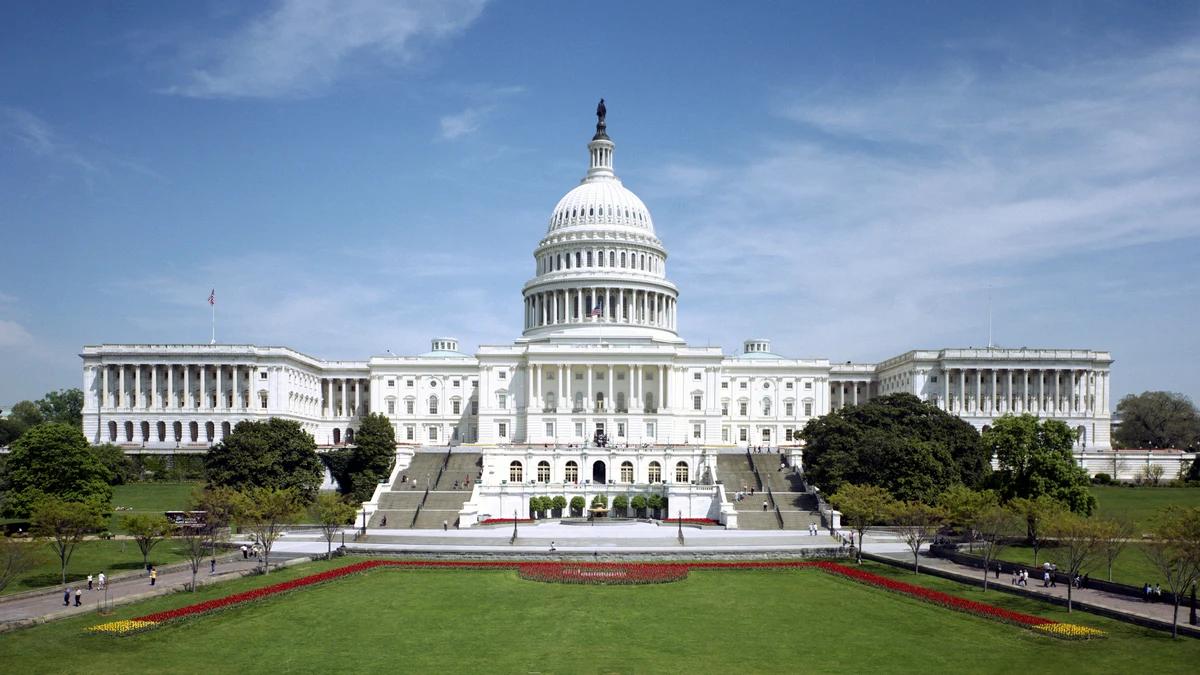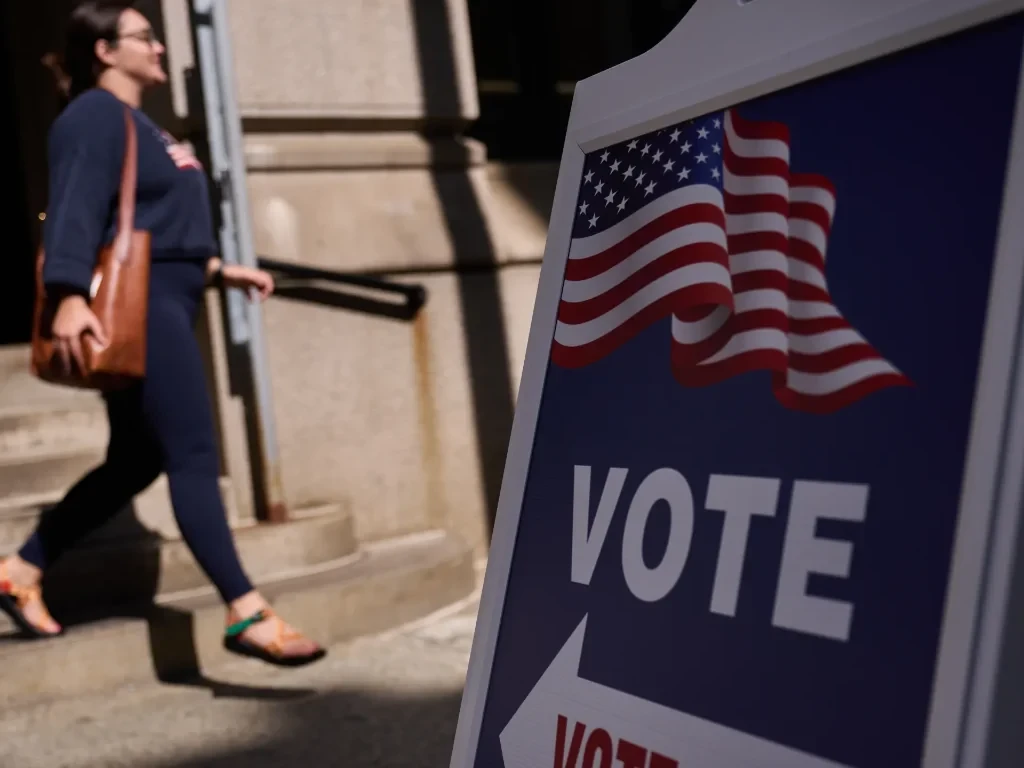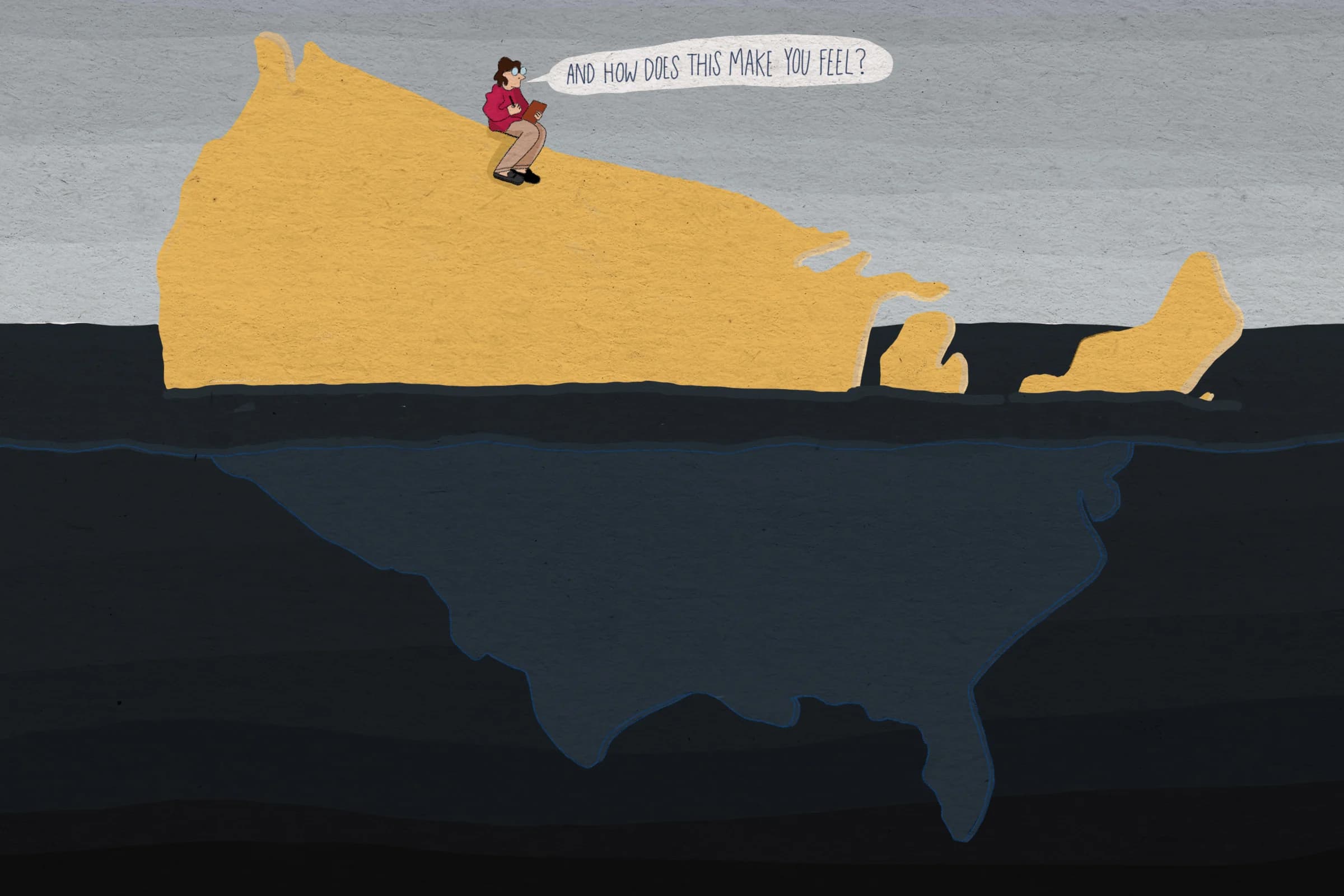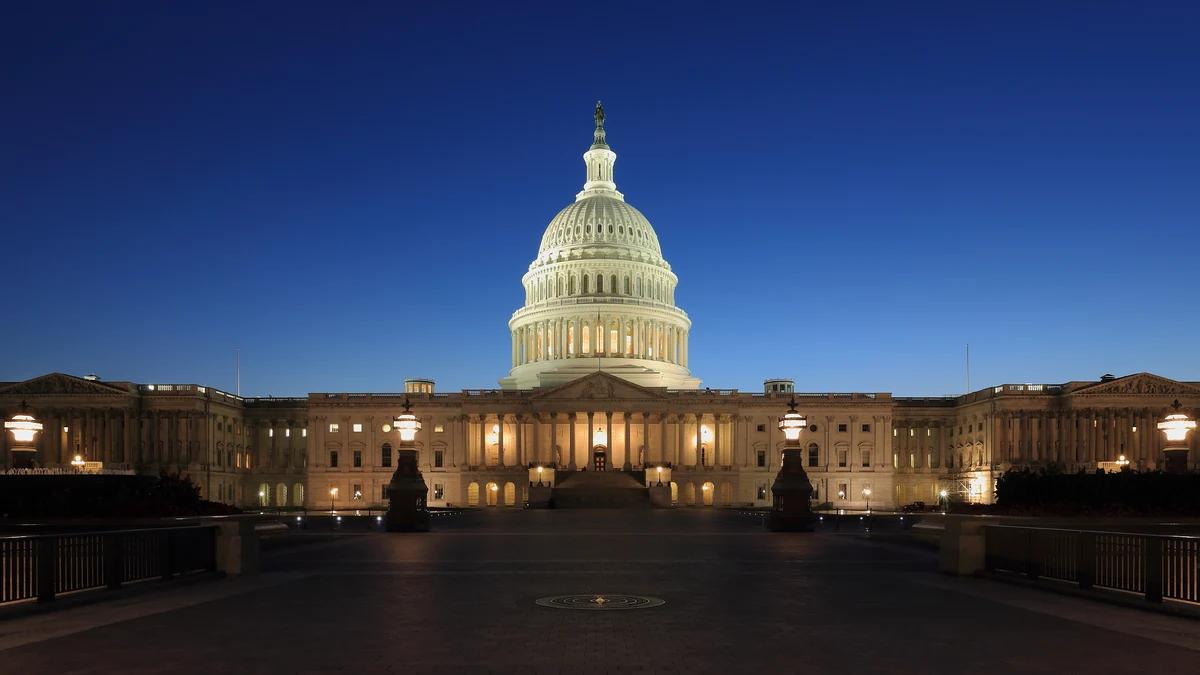
The definitive lesson of the 2026 midterm elections was not a mandate for any single ideological agenda, but the confirmation of an enduring, deeply entrenched national division. With the House of Representatives returning to Democratic control by the narrowest of margins, the Senate governed by a fragile Republican majority, and Donald Trump occupying the Oval Office, Washington has entered the textbook definition of institutional stalemate. In such a polarized environment, those expecting substantive bipartisan compromises on immigration, trade, or energy policy are indulging in legislative fantasy. The real consequence of last week's election is that the imperial presidency is about to enter its most expansive and consequential chapter.
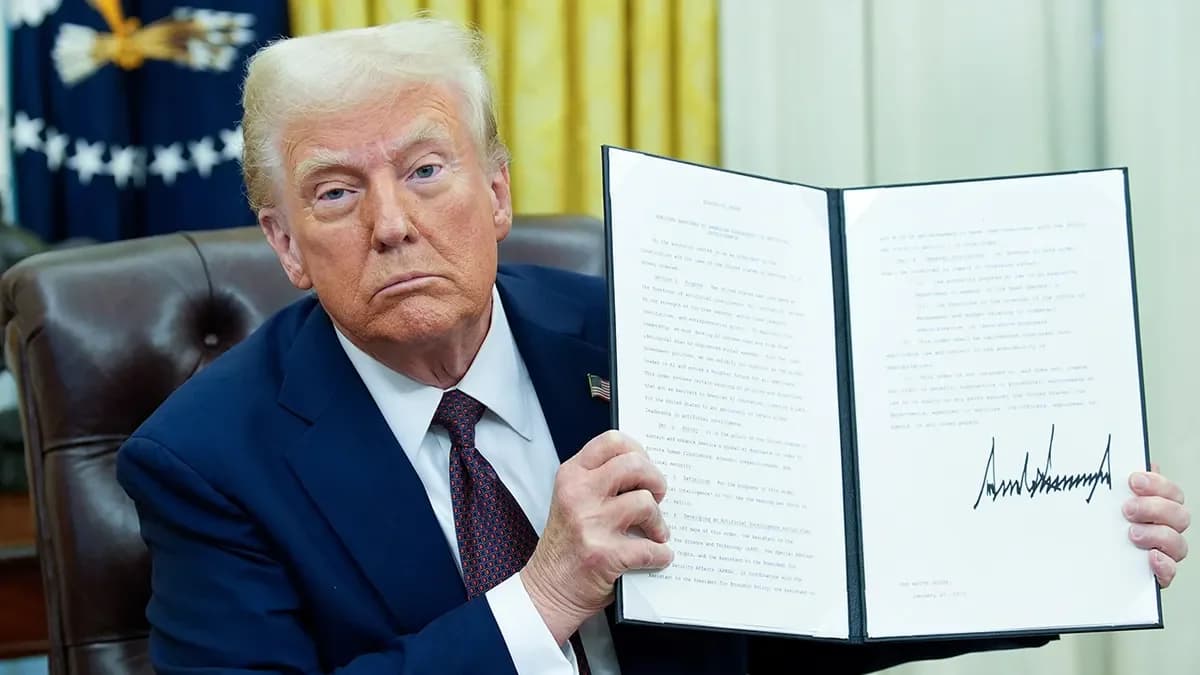
When the legislative branch is structurally paralyzed by design and political calculation, presidential power does not contract; it expands into the vacuum. Over the next two years, the governance of the United States will not be conducted through the slow, deliberative process of roll-call votes in the Capitol rotunda. It will be enacted through executive orders, emergency declarations, administrative rule rewrites, and the unilateral wielding of statutory authorities embedded deep within the federal register.
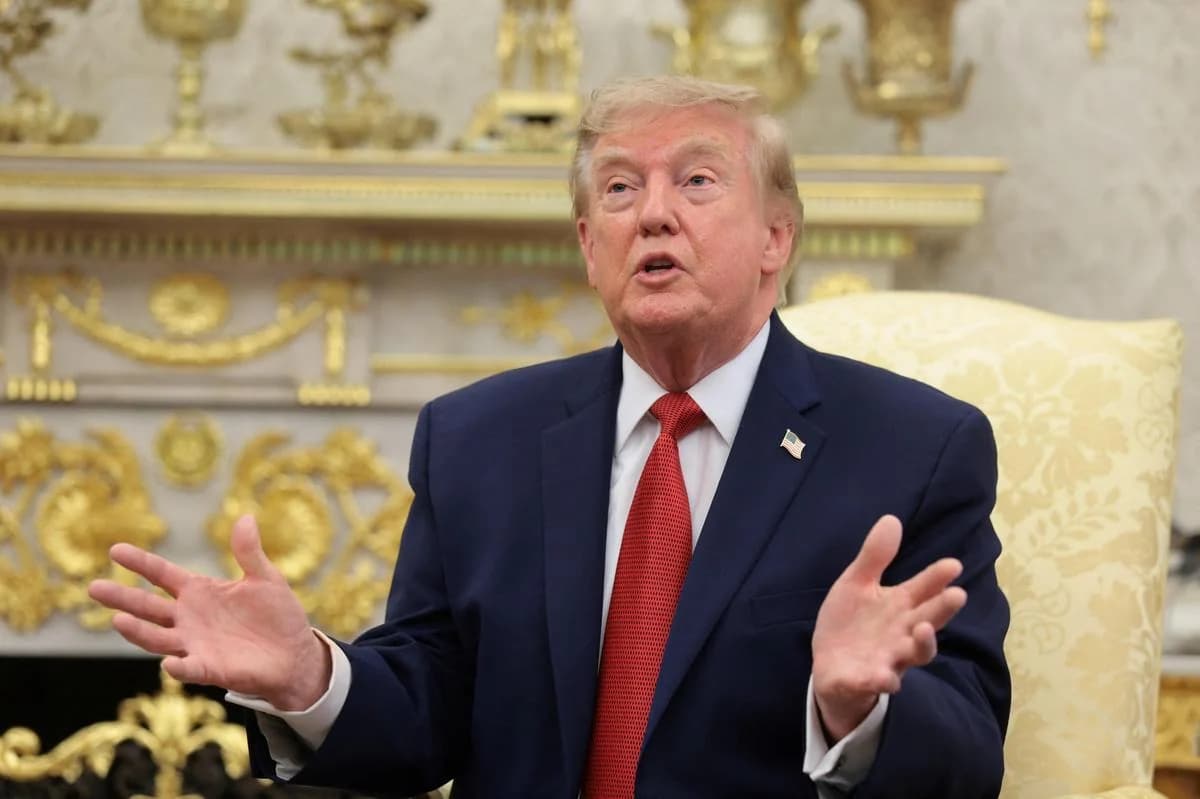
Nowhere is this constitutional reality more immediate than on immigration. As President Trump made abundantly clear this week, the administration views border enforcement not as a subject for legislative negotiation with incoming House committee chairs, but as an inherent Article II executive mandate. Leveraging statutory authorities under the Immigration and Nationality Act—specifically Section 212(f), which grants the executive broad discretion to suspend the entry of any class of aliens deemed detrimental to national interests—the White House is preparing to bypass Capitol Hill entirely.
The Erosion of Article I and the Rise of Administrative Fiat
This dynamic represents the culmination of a half-century abdication by Congress. For decades, lawmakers of both parties preferred delegating sweeping, vaguely worded emergency powers to the executive branch rather than taking difficult, politically perilous votes on trade adjustments, immigration quotas, or military deployments. Having surrendered their core constitutional responsibilities, lawmakers in both parties now express ritual shock when a determined president utilizes those very delegated authorities to govern by decree.
Consider the looming budget battles. While House Democrats can refuse to appropriate funds for federal border wall construction or interior detention beds, the executive branch has already demonstrated mastery in reprogramming discretionary military construction accounts under national emergency statutes. The Supreme Court's increasingly deferential posture toward executive authority in foreign affairs and border security guarantees that legal challenges from municipal jurisdictions and civil rights groups will face steep judicial headwinds.
Furthermore, the reliance on executive action is not confined to the right. When Democratic administrations held the White House against hostile congressional majorities, they similarly governed through administrative fiat—from the Deferred Action for Childhood Arrivals (DACA) program to expansive environmental mandates and student loan forgiveness programs. What we are witnessing is not a temporary aberration, but the permanent normalization of government by executive decree.
The Perils of Whiplash Governance for the American Republic
The tragic cost of this governance model is not merely constitutional distortion; it is chronic, debilitating instability. Policies enacted by executive pen can be erased by the next occupant's stroke. American businesses cannot plan multi-decade capital investments in manufacturing plants, renewable energy grids, or computational infrastructure when trade tariffs, environmental regulations, and immigration enforcement rules change radically with every shift in the Oval Office.
Moreover, executive governance deepens public cynicism and societal alienation. When citizens vote in midterms to elect representatives who are promptly sidelined by unilateral administrative fiats, the democratic contract is severed. Voters begin to perceive federal elections not as exercises in representative government, but as zero-sum referendums on which faction gets to capture the administrative apparatus and wield it against its domestic adversaries.
The incoming Congress will almost certainly spend the next twenty-four months launching dueling investigations, holding theatrical committee hearings, and engaging in perennial government shutdown brinkmanship. Meanwhile, down the other end of Pennsylvania Avenue, policy will be written, signed, and enforced by presidential decree. Divided government was intended by the framers to compel compromise. In twenty-first-century America, it has simply completed the coronation of the executive.