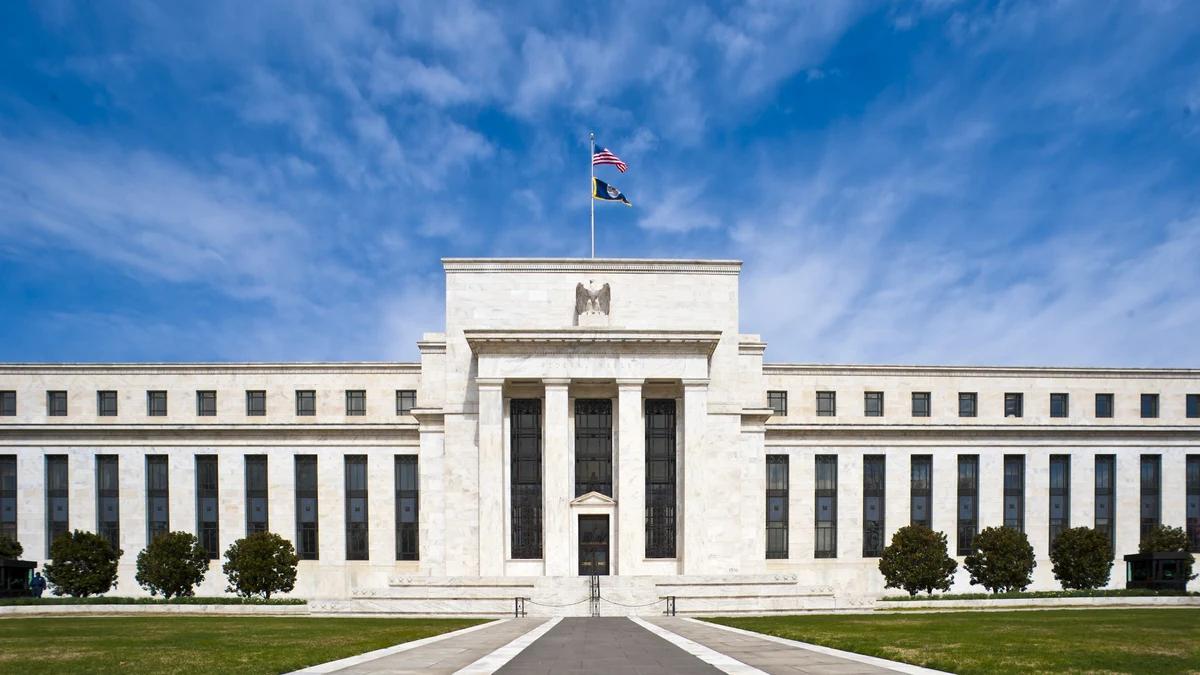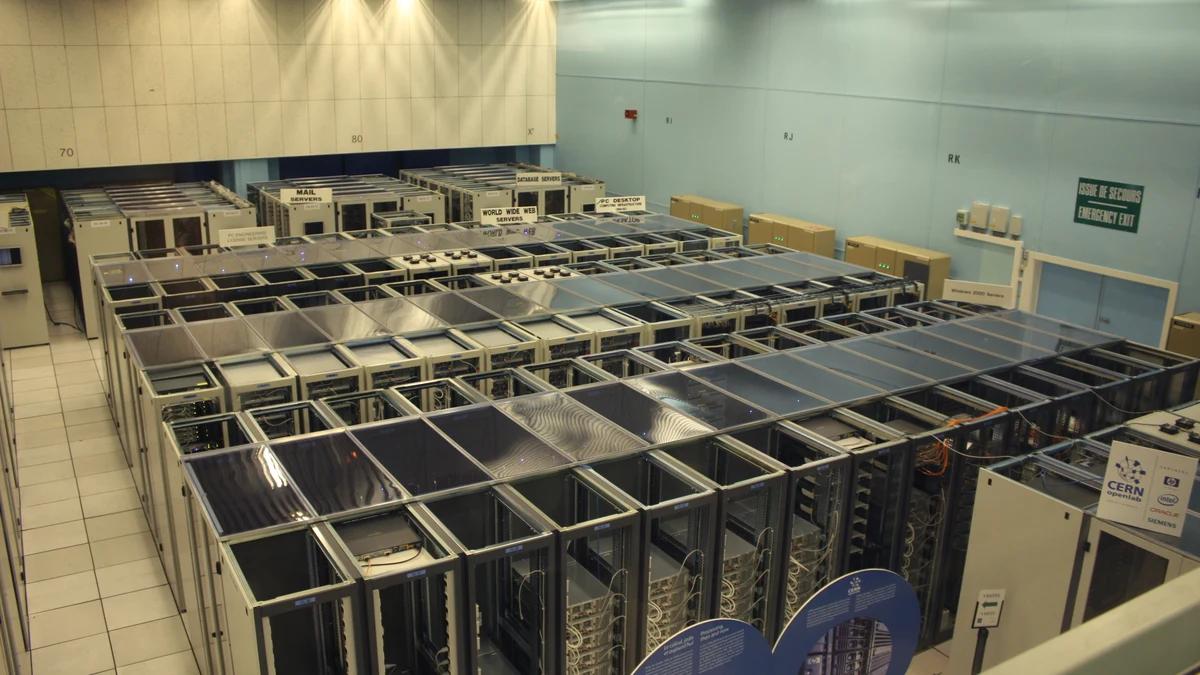
The rapid expansion of artificial intelligence infrastructure across the United States has catalyzed an unprecedented collision between soaring industrial electricity demand and national climate decarbonization mandates. Federal utility regulators, regional grid operators, and clean energy developers gathered in Washington on Tuesday for an emergency symposium hosted by the Federal Energy Regulatory Commission (FERC), warning that power demand from commercial data centers is outpacing regional grid transmission capacity and threatening to prolong the operational life of fossil-fueled generation assets.
According to federal energy metrics reviewed during the conference, electricity consumption attributed specifically to high-performance AI computing clusters, machine learning inference servers, and mega-scale data centers is projected to expand by more than 160 percent by 2030, representing nearly nine percent of all domestic electricity consumed in the United States. In technology corridors across Northern Virginia, Central Ohio, and the Desert Southwest, data center interconnection requests now exceed the total nameplate generation capacity of local utility grids.
"We are witnessing the most dramatic inflection point in American electrical demand since the industrial electrification boom of the early twentieth century," said FERC Commissioner Allison Clements during opening remarks. "Meeting this extraordinary demand without derailing national climate targets requires a massive, coordinated acceleration in transmission line construction, advanced battery storage deployment, and regulatory innovation in regional power markets."
The Clean Energy Conundrum: Balancing 24/7 Baseload with Zero Emissions
The core challenge confronting grid architects is the fundamental operational profile of artificial intelligence computing. Unlike residential air conditioning or electric vehicle charging, which peak during specific hours of the day, modern AI server clusters operate at nearly continuous ninety-five percent capacity factors twenty-four hours a day, 365 days a year. While technology giants like Microsoft, Amazon, and Google have committed to powering their global operations with zero-carbon energy, intermittent wind and solar generation cannot provide uninterruptible baseload power without massive energy storage reserves.
To bridge the baseload gap without spiking carbon emissions, clean energy capital is rotating aggressively into next-generation zero-emission solutions. Technology operators are investing billions into small modular nuclear reactors (SMRs), enhanced geothermal systems in Nevada and Utah, and utility-scale four-to-eight-hour lithium iron phosphate (LFP) battery storage installations.
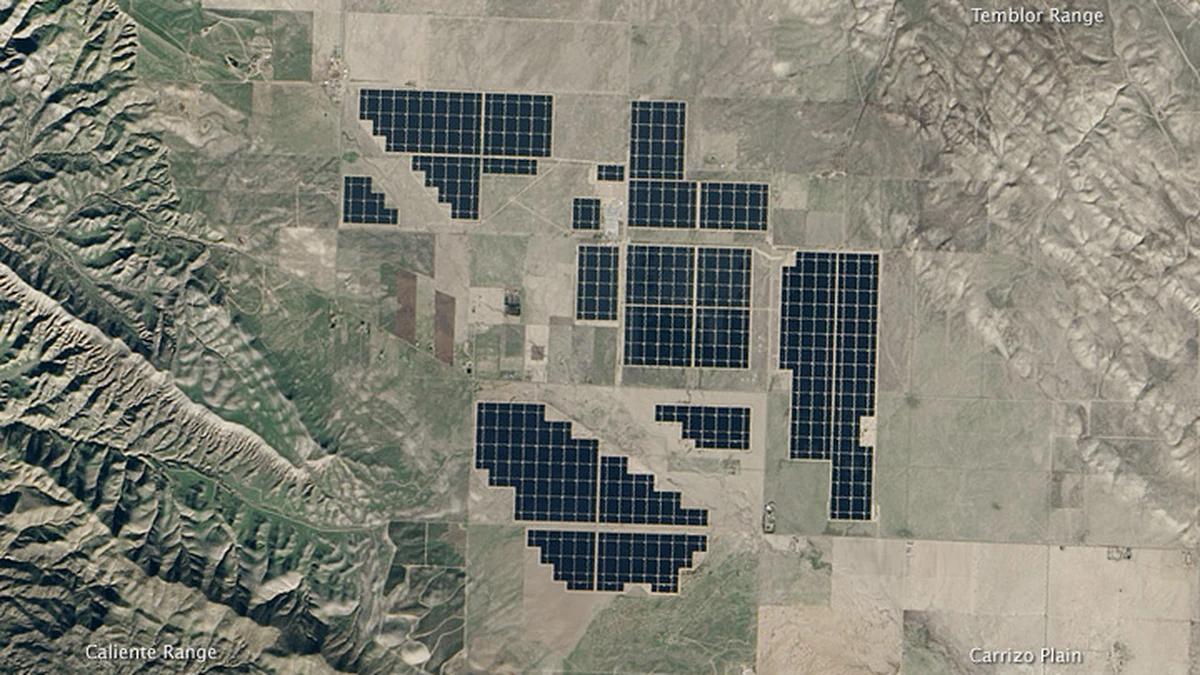
Concurrently, solar developers installed a record 28 gigawatts of utility-scale photovoltaic capacity across the Sun Belt during the first nine months of 2026, paired with advanced smart-inverter hardware that stabilizes grid frequency during sudden generation drops. However, utility executives warned that without accelerated regional transmission lines capable of wheeling solar power from sunny desert arrays to Midwestern population centers, clean energy curtailment will continue to rise.
Regulatory Permitting Battles Take Center Stage
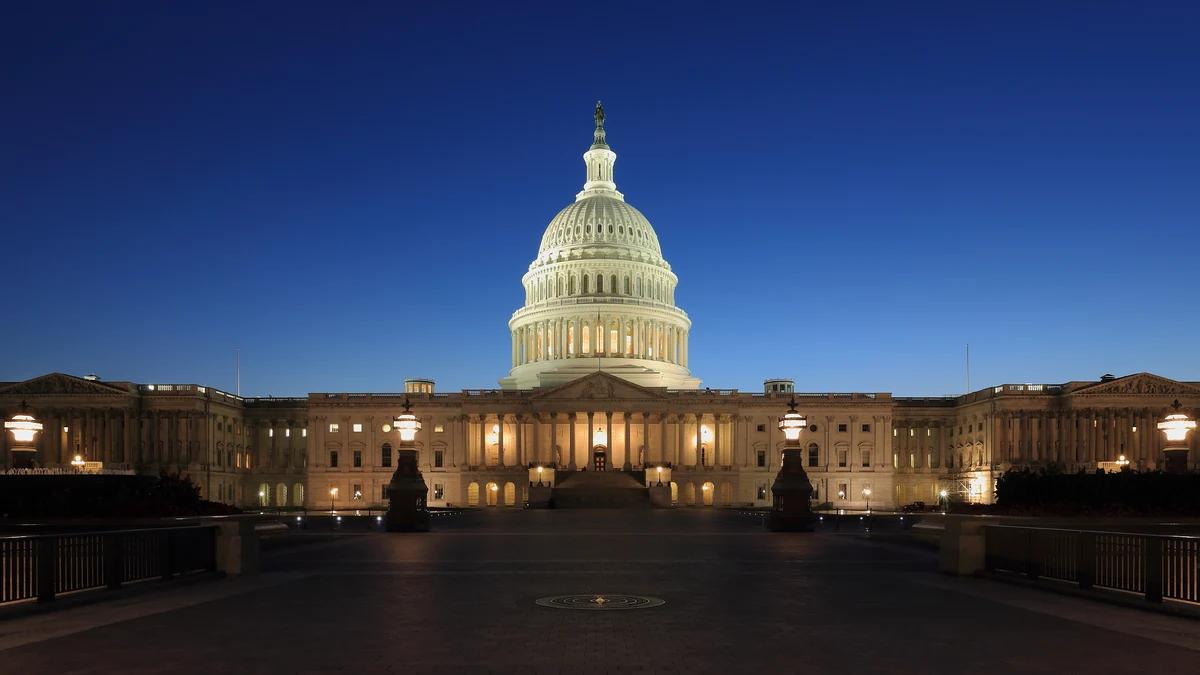
The electrical bottleneck has ignited heated political debates on Capitol Hill regarding environmental review procedures. Technology executives and energy developers have formed bipartisan lobbying coalitions urging Congress to enact comprehensive permitting reform that limits the duration of National Environmental Policy Act (NEPA) litigation for interstate high-voltage direct current (HVDC) transmission corridors.
Environmental advocacy groups, while supportive of clean energy transmission, have cautioned against blanket deregulation that could exempt energy-intensive projects from local environmental scrutiny or encourage utilities to postpone the planned retirements of aging coal and gas plants to satisfy tech company demand.
"The artificial intelligence revolution will either be the ultimate catalyst that forces the United States to build a modern, high-capacity clean electrical grid, or it will lock us into another generation of fossil fuel dependence," warned Dr. Rachel Sterling, senior climate economist at the Clean Energy Transition Institute. "The policy choices made in Washington over the next eighteen months will dictate America's carbon trajectory for the next half-century."