U.S. Dollar Sinks to Four-Year Low Amid Policy Comments
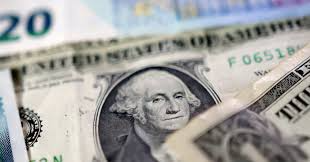
The U.S. dollar slid to its lowest level in four years after policy-related comments fueled investor concerns over interest rates, inflation control, and fiscal direction.
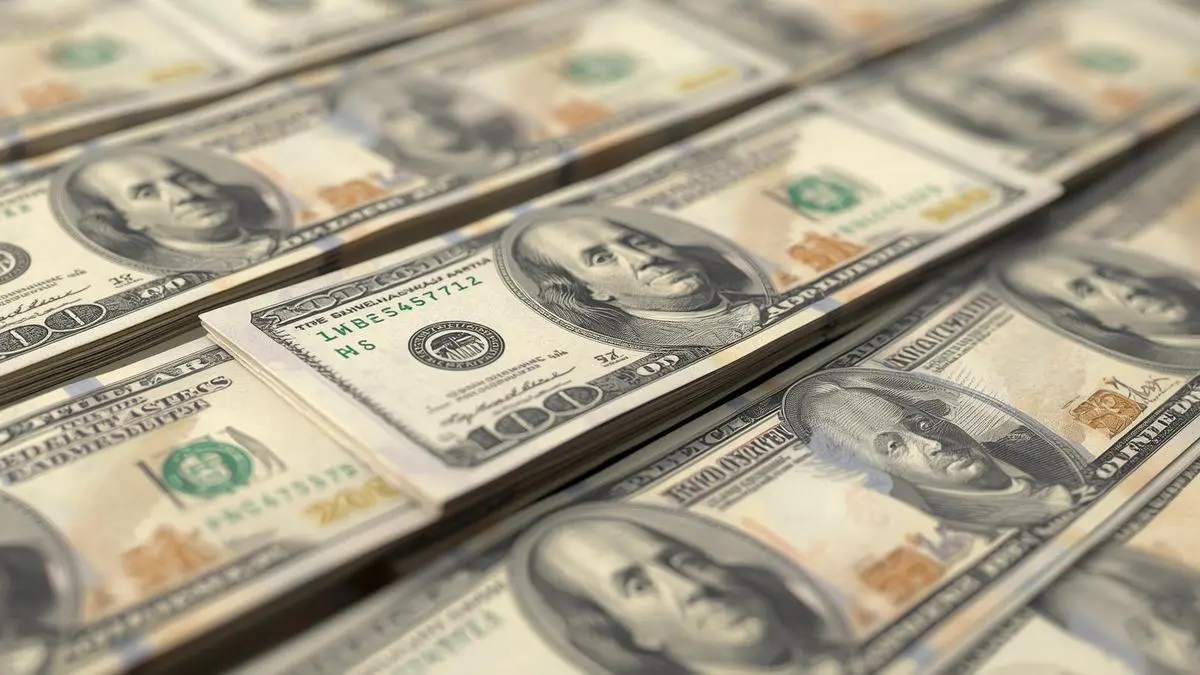
Following a slew of policy-related remarks that unnerved investors and rekindled worries about the future course of interest rates and economic management, the value of the US dollar fell to a four-year low compared to major world currencies. The action was one of the biggest drops in the value of the US dollar in recent memory, highlighting the continued sensitivity of currency markets to monetary and political signals. Following comments by authorities that were seen as indicating a willingness to accept a weaker dollar and a more accommodating stance toward inflation and interest rates, currency dealers responded quickly. The tone of recent pronouncements was sufficient to cause investors to reevaluate their positions, which resulted in widespread dollar selling even though no official policy change was declared. Currency Movements and Market Reaction The euro, yen, and Swiss franc all had significant declines in value against the dollar, while emerging-market currencies also saw increases. The decline, according to analysts, was a reflection of growing views that U.S. interest rates might stay low for longer than expected, which would lessen the dollar's yield edge over other major currencies. As hedge funds and institutional investors modified their position, foreign exchange desks observed higher volatility. After months of dollar strength, some market participants saw the dip as inevitable, but others cautioned that a sharp decline may make managing inflation and the dynamics of international commerce more difficult. Policy Indications Under Examination Investors are closely examining remarks made by fiscal and monetary authorities in search of hints regarding the course of future policy. Concerns regarding long-term dollar support were raised by recent statements indicating a readiness to put financial stability and economic growth ahead of stringent currency strength. Economists point out that although a declining dollar can help American exporters by increasing the competitiveness of their products overseas, it can also raise import prices and fuel domestic inflationary pressures. For policymakers facing slowing GDP and ongoing pricing pressures, this balance has become crucial. Effect on International Markets Global markets were affected by the dollar's drop. Gold and other commodities saw increases in value as investors looked for alternatives to the US dollar. While oil prices fluctuated amid more general macroeconomic instability, gold, which is sometimes viewed as a hedge against currency weakness, received fresh attention. The reaction of the world's equities markets was not uniform. The weakening dollar provided some assistance for U.S. stocks, which increases foreign earnings for multinational corporations. International markets, on the other hand, considered how currency fluctuations may affect capital flows and trade. New Capital Flows and Emerging Markets One of the first beneficiaries of the dollar's decline was emerging economies. A weaker dollar can promote capital inflows into higher-yielding assets and relieve pressure on nations with dollar-denominated debt. However, economists warned that if investor sentiment changes, abrupt currency changes might potentially cause volatility. Prospects for Investors Market players are still split on whether the dollar's decline is a sentiment-driven short-term adjustment or the start of a longer-term trend. Future economic statistics, Federal Reserve communications, and Washington's fiscal policy changes will all play a significant role. Currency strategists stress that in order to stabilize markets, policy message must be credible and consistent. Any impression of political meddling in monetary policy has the potential to increase volatility and depress the value of the dollar. In conclusion The U.S. dollar's decline to its lowest level in four years demonstrates the significant impact that policy communication has on financial markets. While some investors applaud a weaker currency for its possible economic advantages, others caution that sustained dollar weakening could jeopardize global financial stability and inflation control. Policymakers' clarity will be crucial in determining the next stage of currency movement as markets look ahead.

Daniel Morris is an investigative journalist covering politics, finance, and corporate accountability. His reporting emphasizes fact-checking, transparency, and long-form analysis. Daniel,s work aims to provide readers with context beyond the headlines.
WHAT'S HOT


CATEGORIES

Business
7 Articles

Finance
9 Articles

Technology
14 Articles

Politics
7 Articles

Lifestyle
7 Articles