Dollar Stabilizes After Policy Moves Rattle Currency Markets
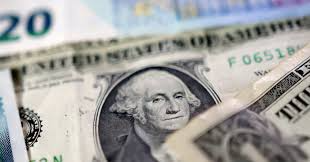
The U.S. dollar steadied after recent policy announcements rattled currency markets, as investors reassessed rate expectations and safe-haven flows.
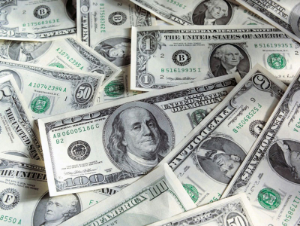
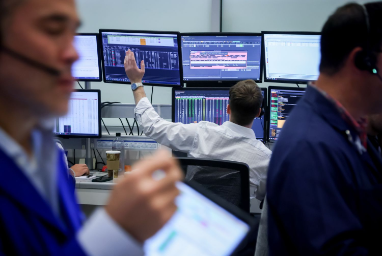
After a period of currency market volatility brought on by events pertaining to policy, the U.S. dollar had some stability. Analysts say the sudden selloff reflected heightened anxiety among traders over interest rate trajectories and broader economic policy direction. Earlier in the week, the dollar witnessed strong falls versus major peers, including the euro, Swiss franc, and Japanese yen. Market investors cited contradictory signals on the priorities of fiscal policy as well as remarks made by U.S. policymakers that suggested a perhaps more cautious approach to interest rates. Factors Driving Volatility The following interrelated variables contributed to the dollar's volatility: Interest Rate Expectations: Investors abruptly adjusted their portfolios as a result of a reevaluation of the probability of future rate increases. Fiscal Policy Uncertainty: A reevaluation of the fundamentals of the U.S. economy was prompted by statements regarding government expenditure and debt levels. Global Risk Sentiment: Increased demand for safe-haven assets due to heightened geopolitical tension and market volatility momentarily diminished the attraction of the dollar. Reaction of the Market Following the initial loss, the dollar stabilized as traders paused aggressive bets and awaited fresh instructions from officials. Although the euro is still under pressure, analysts pointed out that stabilization points to a return to methodical trading as opposed to panic selling. The dollar’s partial rebound has corresponded with advances in other safe-haven assets such as gold and government bonds. The performance of equity markets has been uneven, with export-sensitive industries bracing for currency changes while global corporations profit from a declining dollar. Impact on Global Currencies Following the initial selloff, emerging-market currencies had a brief respite as capital flows returned to normal. Forex gurus warn, however, that ongoing uncertainty could continue to increase volatility in the coming weeks. Central Bank and Policy Outlook The Federal Reserve has maintained its commitment to data-driven choices, but the market remains sensitive to small clues regarding future monetary policy. Analysts underline that consistent and transparent communication is crucial to recovering investor confidence fully. Considering the Future The future for the dollar depends on upcoming economic releases, particularly inflation estimates, employment data, and Federal Reserve commentary. Any shocks in these indicators might either maintain the stabilization or spark volatility. In the meanwhile, investors are encouraged to maintain balanced holdings and consider risk management techniques as markets continue to negotiate a complicated economic landscape impacted by both domestic policy and global happenings. In conclusion The recent stabilization of the U.S. dollar underscores the susceptibility of currency markets to policy signals. While the initial selloff generated temporary anxiety, measured investor reactions and sustained monitoring of economic indicators are helping restore balance to the forex market.

Daniel Morris is an investigative journalist covering politics, finance, and corporate accountability. His reporting emphasizes fact-checking, transparency, and long-form analysis. Daniel,s work aims to provide readers with context beyond the headlines.
WHAT'S HOT


CATEGORIES

Business
7 Articles

Finance
9 Articles

Technology
14 Articles

Politics
7 Articles

Lifestyle
7 Articles