The World Meteorological Organization (WMO), operating in joint scientific partnership with the United Nations Environment Programme and international climate observatories across ninety nations, released its definitive annual State of the Global Climate 2026 report on Monday in Geneva. The comprehensive peer-reviewed assessment presents a dramatic, bifurcated portrait of the planetary biosphere: documenting unprecedented, exponential acceleration in global renewable energy deployment that has begun bending global greenhouse gas emissions downward, directly contrasted against intensifying thermodynamic volatility across the Earth's hydrological cycle.
The Clean Energy S-Curve Reaches Escape Velocity
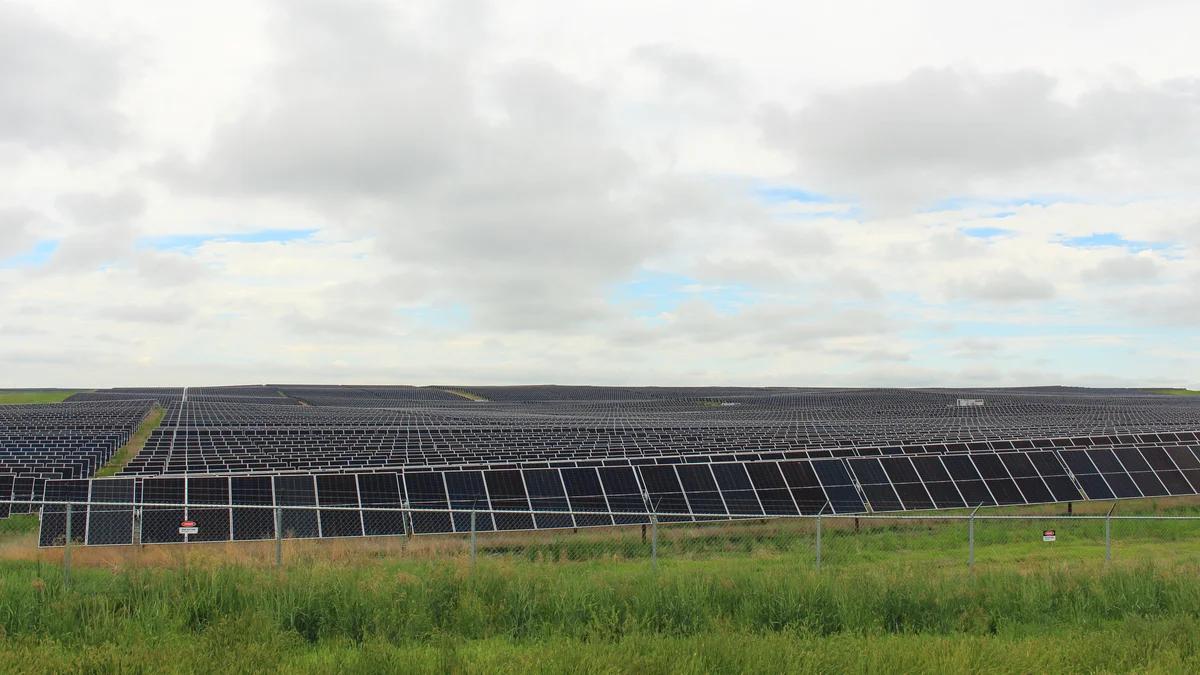
The defining technological highlight of the 2026 assessment is the explosive, non-linear expansion of zero-emission power generation. Over the past twelve months, the global economy installed a staggering 540 gigawatts of new utility-scale solar photovoltaic arrays, offshore wind farms, and advanced nuclear capacity—an expansion exceeding the total installed electrical grid capacity of Western Europe. Global investments in clean energy infrastructure outpaced fossil fuel expenditures by a record ratio of 2.4 to 1.
Satellite carbon monitoring networks operated by NASA, the European Space Agency, and Japan's JAXA confirmed that for the first time since the dawn of the Industrial Revolution, global power sector carbon dioxide emissions recorded a measurable structural contraction of 1.4 percent, even as global electricity consumption expanded by 3.8 percent driven by industrial electrification and computing data centers.
The Accelerating Hydrological Super-Cycle
"We are witnessing the definitive inflection point where clean technology is outpacing fossil fuel growth on the global energy grid," declared WMO Secretary-General Celeste Saulo during the official press launch in Geneva. "However, the climate system operates on immense historical thermal inertia. Even as our emissions begin their long-awaited descent, the atmospheric heat already trapped in our warming oceans is accelerating the global water cycle with terrifying violence."
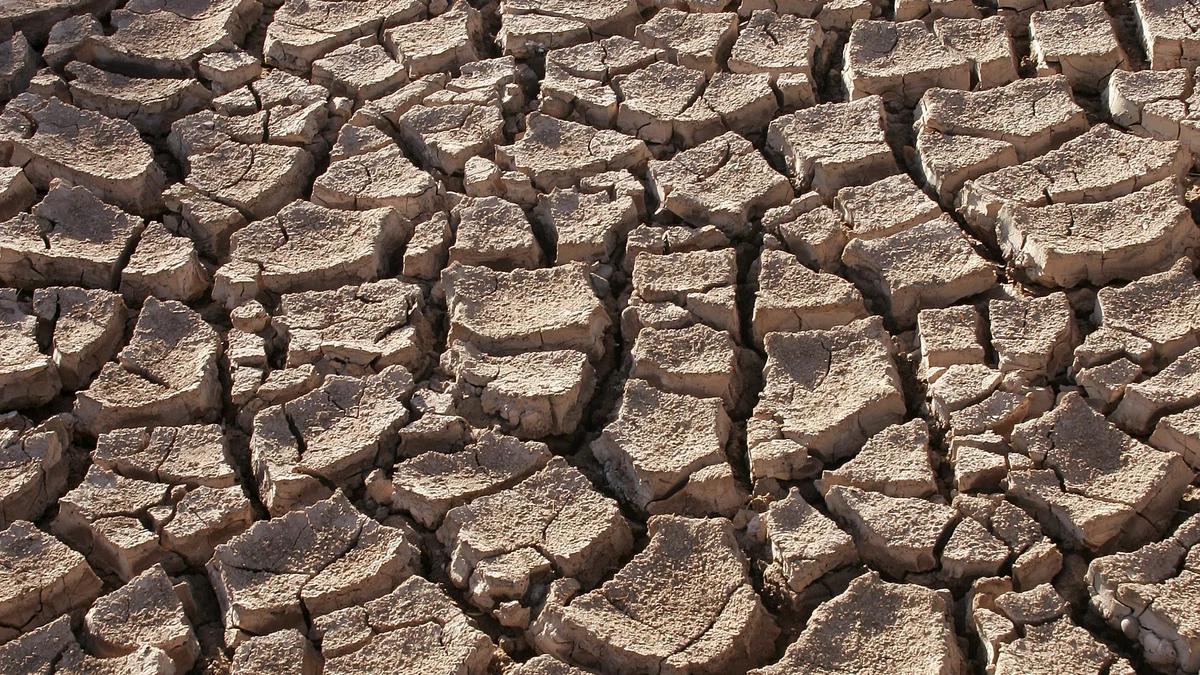
The report documented extreme, record-breaking hydrological anomalies on every inhabited continent throughout 2026. Because a warmer atmosphere holds seven percent more water vapor for every one degree Celsius of warming, precipitation patterns have become intensely polarized: prolonged, multi-year megadroughts that parched agricultural soils in the Mediterranean basin and Southern Africa were punctuated by catastrophic atmospheric river downpours that inundated coastal valleys in Central America and Southeast Asia with months of rain in forty-eight hours.
Oceanic Heat Content and Cryospheric Warnings
Marine thermal data collected by over four thousand autonomous oceanic Argo profiling floats revealed that global ocean heat content reached its highest recorded levels for the eighth consecutive year. Over ninety percent of the excess planetary thermal energy accumulated over the past fifty years is stored within the upper two thousand meters of the global ocean, driving persistent marine heatwaves that have degraded coral reefs and fueled rapid cyclonic intensification.
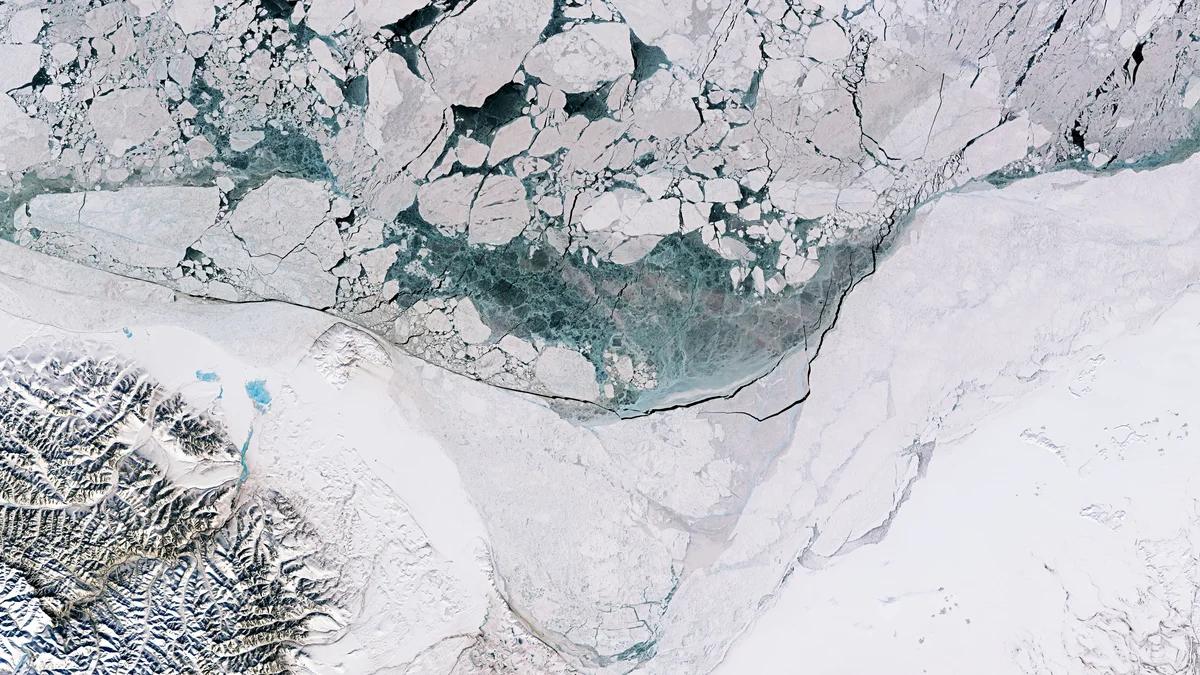
In the high polar cryosphere, Antarctic sea ice extent exhibited localized winter stabilization, while mountain glaciers across the European Alps, the tropical Andes, and the Himalayas experienced their fifth consecutive year of net ice mass deficit, threatening long-term seasonal freshwater security for upwards of two billion people living downstream in major river basins.
The Urgent Mandate for Early Warning Systems
The assessment concluded with an urgent call for international completion of the United Nations "Early Warnings for All" initiative. Economic modeling demonstrated that providing vulnerable communities with just twenty-four hours of advance notice before extreme meteorological events slashes storm casualties by eighty-six percent and reduces economic damages by thirty percent.
With clean energy technologies now proven to be economically superior and widely deployable, WMO climate scientists emphasized that humanity's immediate challenge is no longer technological invention, but municipal adaptation and global solidarity, ensuring that every society can build the resilient civil infrastructure required to weather the stormy decades ahead.