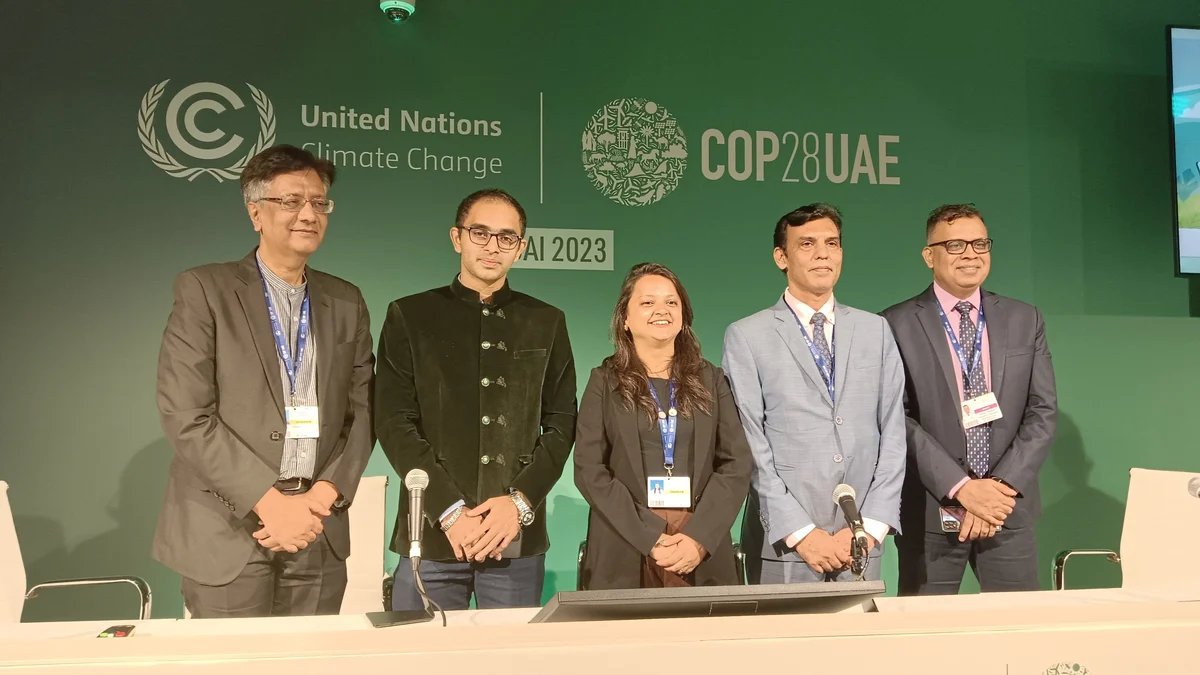
The 31st United Nations Climate Change Conference (COP31) in Antalya, Turkey, entered its scheduled final 24 hours on Thursday amid an atmosphere of intense geopolitical brinkmanship, as high-level ministerial envoys worked through exhaustion to reconcile deep divisions over fossil fuel transition language, adaptation grant mechanisms, and newly published scientific reports warning that critical Earth system tipping points are arriving far faster than previously modeled.
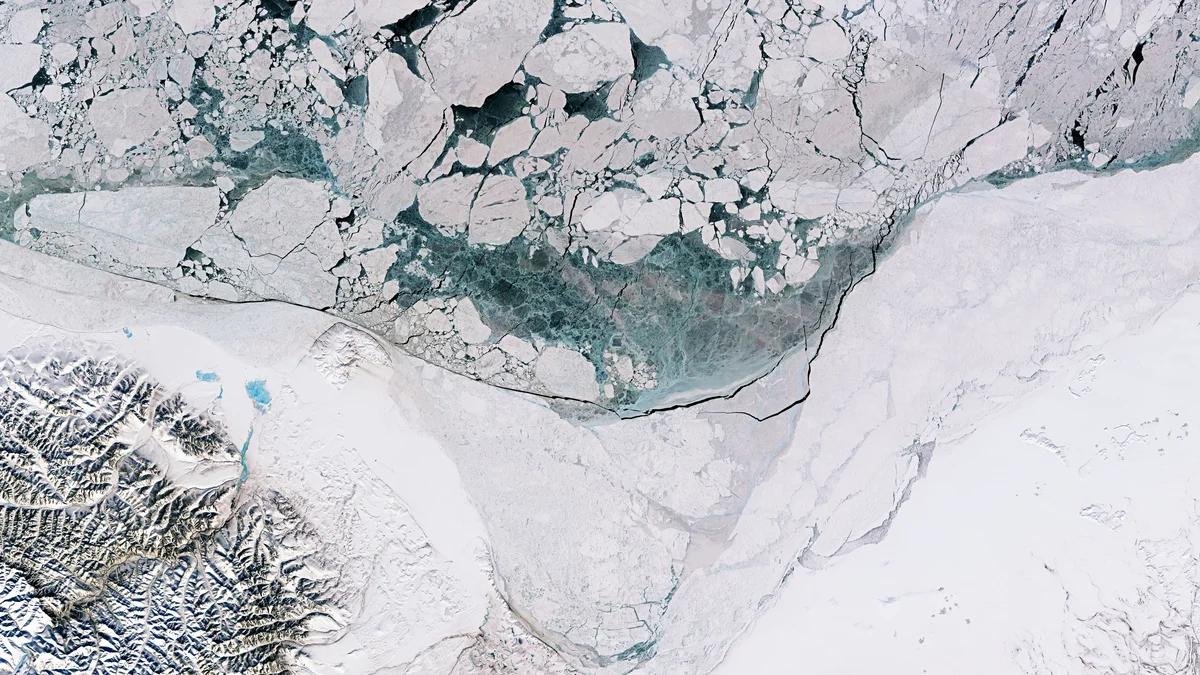
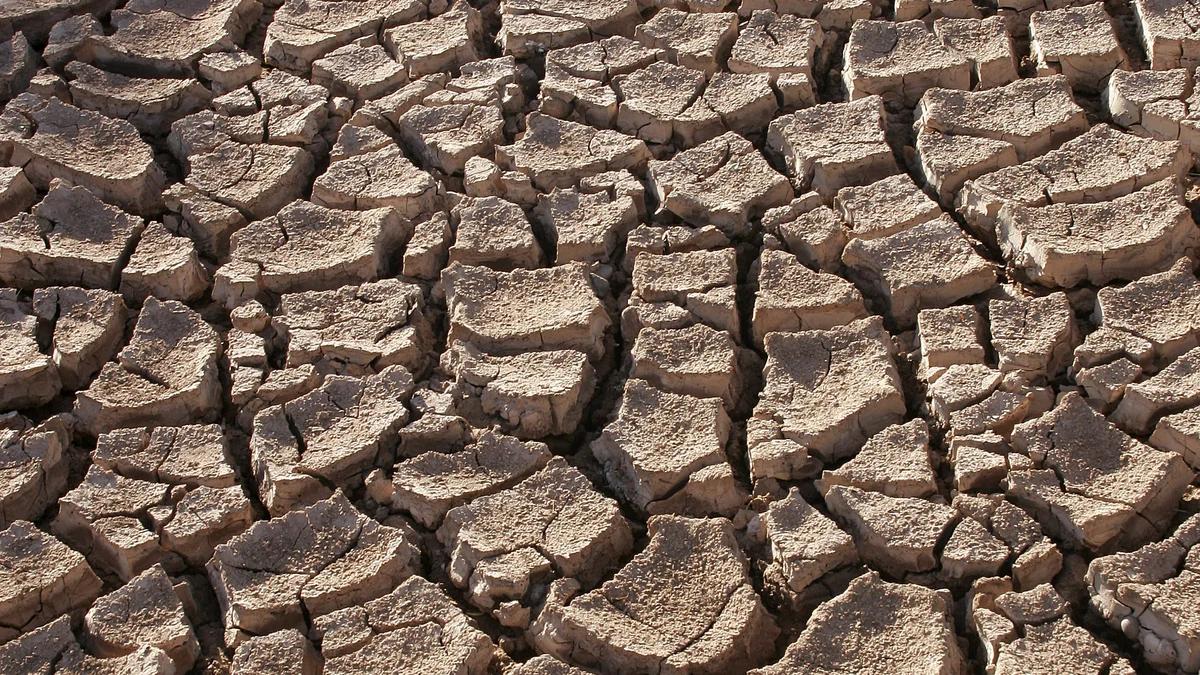
In a dramatic joint presentation to the plenary assembly, scientists from the World Meteorological Organization (WMO) and the Global Carbon Project detailed unprecedented ecological anomalies documented across 2026: catastrophic drought destabilizing the Southern African grain belt, accelerated collapse of West Antarctic ice shelves, and unprecedented marine heatwaves that triggered the early blooming of vegetation across Western Europe and forced oceanic whale sharks into unusual high-latitude California coastal waters.
The 1.5-Degree Threshold and the Tipping-Point Reality
The scientific briefing confronted negotiators with an unyielding mathematical truth: global greenhouse gas emissions continue to rise at an annual rate of 0.8 percent, leaving the carbon budget required to limit warming to 1.5 degrees Celsius above pre-industrial levels effectively exhausted within the next eighteen months. Scientists warned that exceeding this threshold threatens to trigger irreversible non-linear feedback loops, including boreal permafrost thaw, Amazon rainforest dieback, and Atlantic Meridional Overturning Circulation (AMOC) destabilization.
"We are not presenting policy preferences or negotiating chips; we are reporting the immutable laws of atmospheric physics and ecological chemistry," stated Professor Johan Rockström in an address that drew absolute silence from plenary delegates. "Every tenth of a degree of overshoot beyond 1.5 degrees carries profound, irreversible planetary risks. If this conference adjourns without binding, funded commitments to peak and rapidly decline global emissions, humanity is knowingly choosing catastrophic instability."
The High-Stakes Final Package: Bridging the North-South Divide
Inside closed-door bilateral suites, COP31 President Murat Kurum presented a consolidated compromise package aimed at preventing diplomatic collapse. The proposed framework features an escalated finance target committing developed nations to mobilize $350 billion annually in direct public climate assistance by 2030, paired with an aspirational $1.2 trillion multi-source global investment envelope by 2035.
However, small island states and vulnerable developing nations maintained that the financial package must be legally paired with clear, unambiguous timeline benchmarks for phasing out coal, oil, and gas exploration. As the official summit clock ticked toward midnight with negotiations expected to spill into weekend overtime, delegates from 198 nations affirmed that Antalya will be remembered either as the moment the international community surrendered to climate cynicism or the turning point where authentic planetary solidarity prevailed.