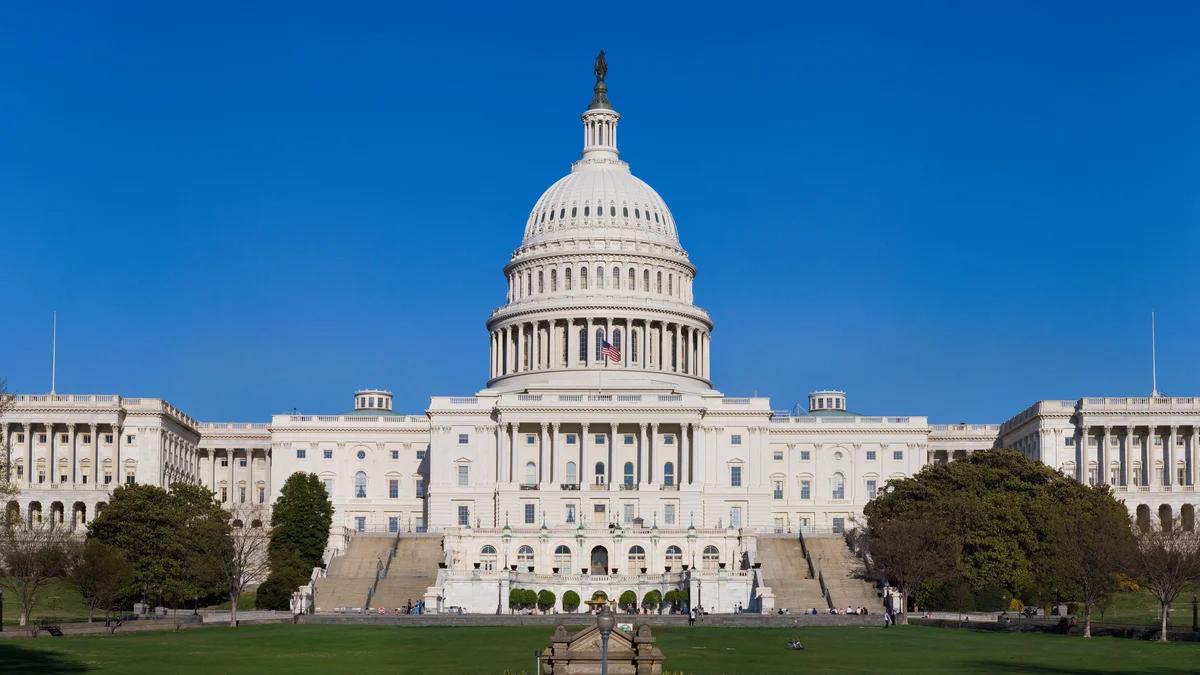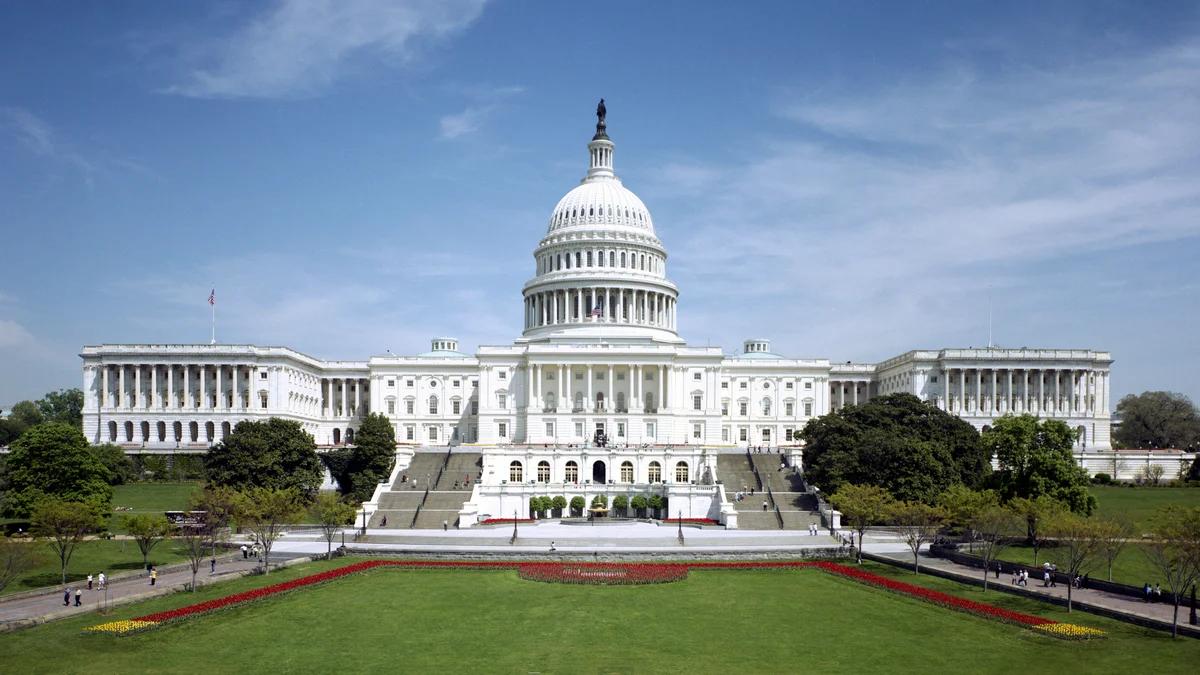
In a watershed legislative breakthrough that signals a rare era of bipartisan consensus on Silicon Valley regulation, the Senate Judiciary Committee voted overwhelmingly on Monday—by a lopsided 19-to-3 margin—to advance the Artificial Intelligence Biometric Privacy and Deepfake Accountability Act to the full Senate floor. The landmark legislation establishes the nation's first federal statutory framework granting American citizens an enforceable property right in their own biological voice, facial likeness, and physical persona against unauthorized synthetic artificial intelligence reproduction.
A Federal Private Right of Action Against Digital Impersonation
Negotiated over nine months of rigorous hearings led by Subcommittee on Privacy and Technology Chairman Richard Blumenthal (D-CT) and Ranking Member Josh Hawley (R-MO), the bill addresses a terrifying legal vacuum that has left victims of malicious deepfake fraud, non-consensual synthetic pornography, and automated election disinformation with virtually zero legal recourse under existing century-old state tort statutes.
The legislation creates a direct federal private right of action, allowing individual citizens to file civil lawsuits in United States District Courts against individuals or commercial entities that generate, commercialize, or deliberately distribute synthetic biometric clones without explicit, informed written consent. The statute authorizes statutory damages of up to 150,000 dollars per violation, which can be trebled to 450,000 dollars in cases where malicious intent to defraud, defame, or intimidate is proven before a jury.
Narrowing Section 230 Immunities for Hosting Platforms
"For too long, tech conglomerates have operated under the reckless assumption that they can scrape every face, voice, and personal attribute of the American public into proprietary generative models without permission or payment," Senator Blumenthal declared during his opening committee statement. "Today, Congress draws a definitive line in the sand: your biological identity belongs to you, not to an automated cloud algorithm."
Crucially for the tech industry, the bill enacts targeted reforms to Section 230 of the Communications Decency Act of 1996. While digital hosting platforms retain immunity for general user comments and third-party links, the bill strips Section 230 liability shields from platforms that fail to expeditiously remove verified non-consensual deepfakes within twenty-four hours of receiving an authenticated digital takedown notice. Major social media platforms will also be required to integrate standardized cryptographic digital watermarking (C2PA) verification chips into their content ingestion pipelines.
Carve-Outs for Political Parody, News, and First Amendment Protections
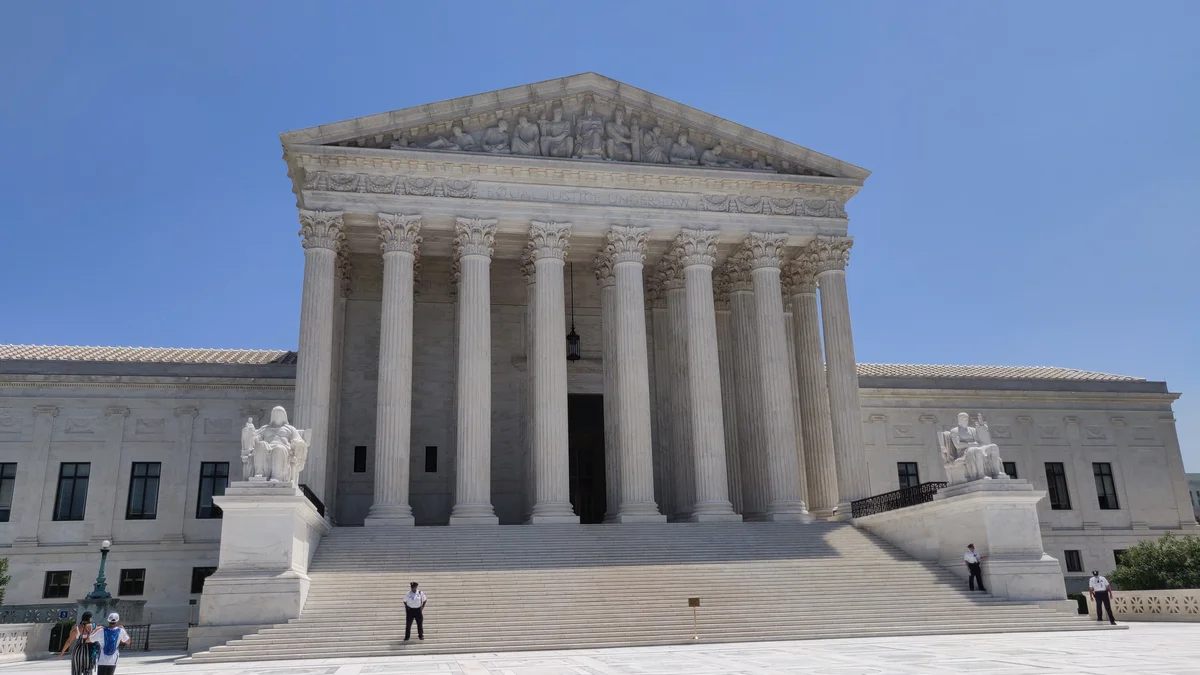
To withstand anticipated constitutional scrutiny before the Supreme Court, the legislative text incorporates meticulously crafted First Amendment safe harbors. The bill explicitly exempts bona fide political parody, satirical comedy, historical biographical dramatizations, and investigative journalism, provided that clear, unambiguous visual and audio disclosure chyrons inform viewers that the media contains synthetically altered elements.
The measure drew enthusiastic endorsements from a diverse coalition spanning the Screen Actors Guild (SAG-AFTRA), the Recording Academy, the National Association of Broadcasters, and leading consumer privacy organizations. Senate Majority Leader Chuck Schumer confirmed that the legislation will be scheduled for priority floor debate during the December legislative window, where it is broadly expected to pass with filibuster-proof supermajority support.