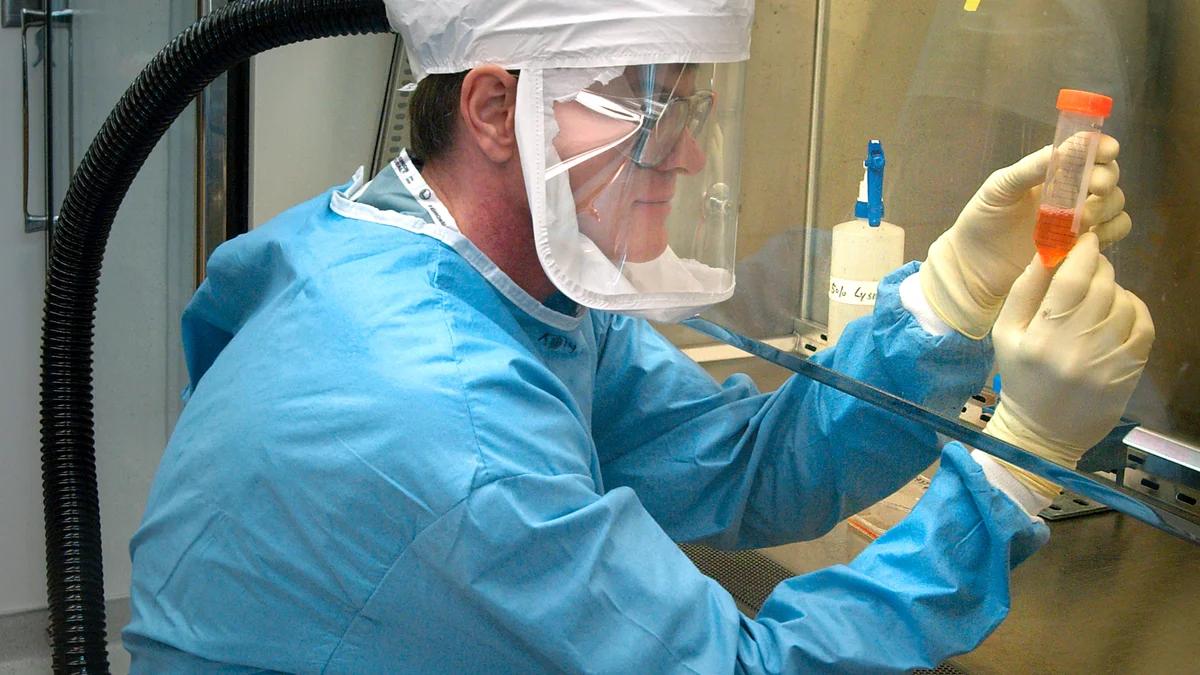
In what cognitive neurobiologists and medical researchers are hailing as the "Human Genome Project of the mind," an international consortium comprising neuroscientists from Harvard, the Allen Institute for Brain Science, and the Max Planck Institute on Monday published the completed synaptic connectome map of the human prefrontal cortex in the journal Nature. The monumental five-year scientific endeavor reconstructs over 150 million individual synaptic junctions and fifty-seven thousand complete neural circuits at nanometer-scale resolution.
Reconstructing the Machinery of Human Thought
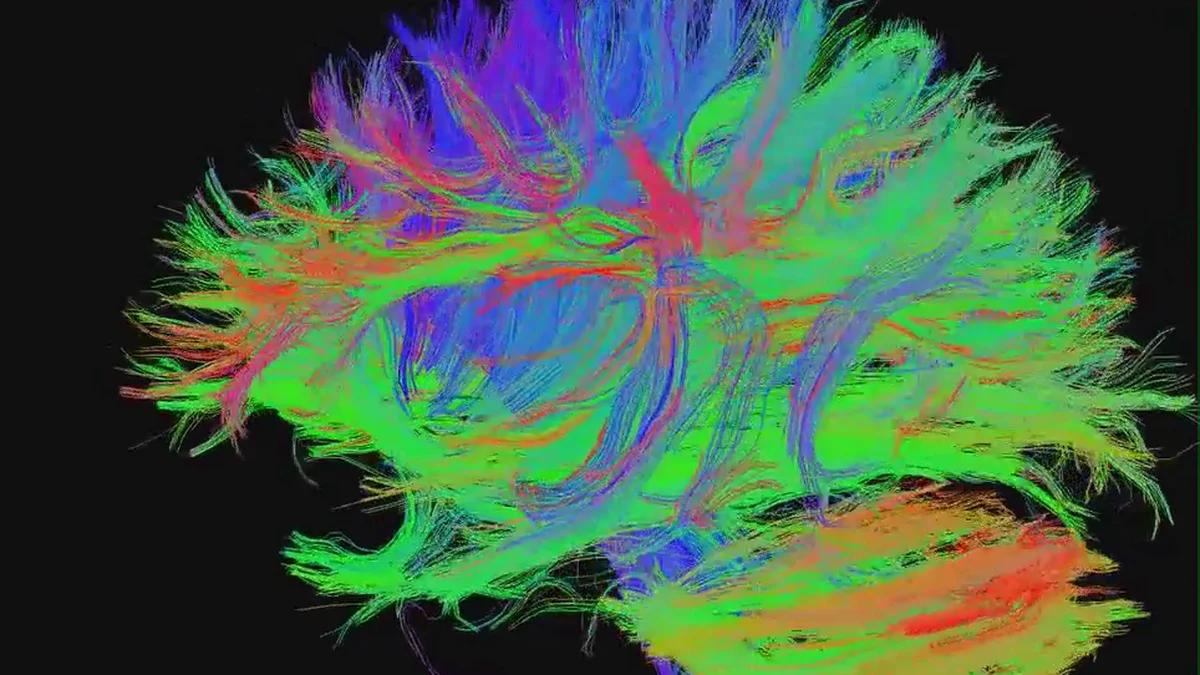
For more than a century, neuroscientists understood the macro-structural topology of the brain—the lobes, gyri, and major white-matter axon tracts. However, the precise physical architecture through which individual neurons transmit chemical and electrical neurotransmitters across synaptic clefts remained shrouded inside an impenetrable biological black box. In a tissue volume no larger than a grain of sesame seed, hundreds of thousands of microscopic cellular dendrites intertwine in dizzying complexity.
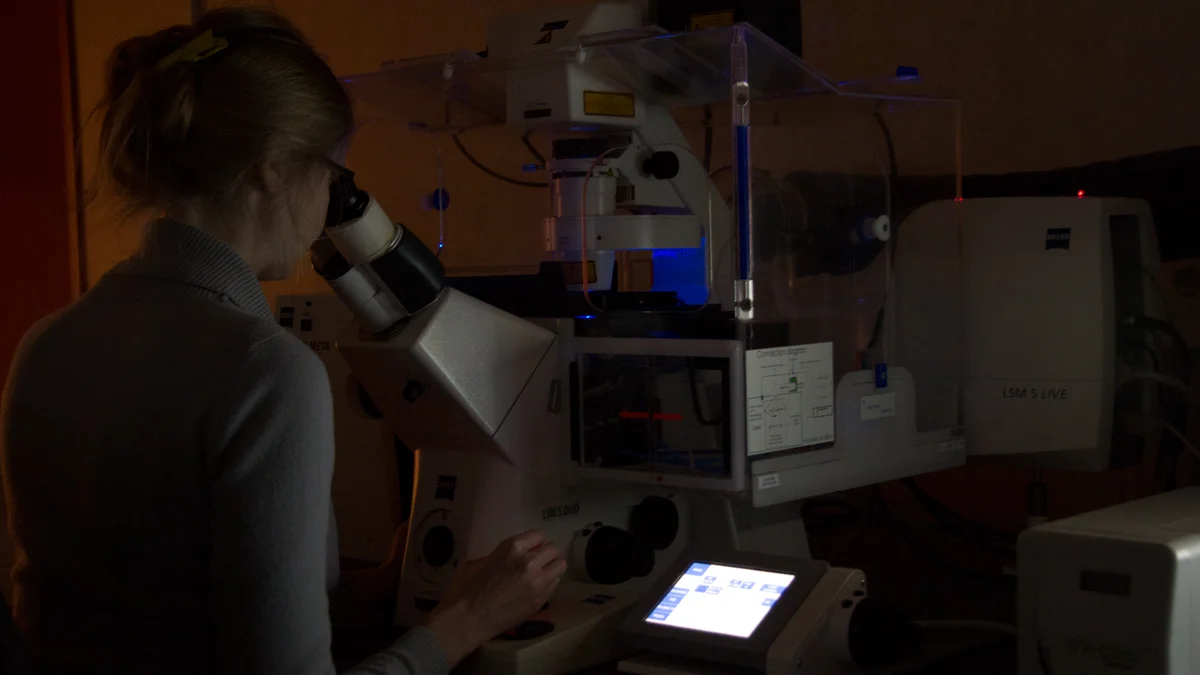
To construct the atlas, researchers utilized automated diamond-knife ultramicrotomes to slice donated healthy human cortical tissue into thousands of continuous ribbons just thirty nanometers thick. Each slice was subsequently imaged utilizing multi-beam scanning electron microscopes operating continuously for two years, generating an astonishing 1.8 petabytes of raw visual data. Next-generation computer vision neural networks developed by Google Research then traced every individual axonal wire, vesicle pool, and dendritic spine, reconstructing the 3D connectome with ninety-nine percent verified spatial accuracy.
Unlocking the Mechanisms of Working Memory
"What we are looking at is the physical hardware of human consciousness, executive decision-making, and abstract reasoning," explained lead author Dr. Elena Rostova, Director of Connectomics at the Allen Institute. "For the first time, we can observe the exact physical motifs—recurrent loops, feed-forward inhibition webs, and dense synaptic hubs—that allow the prefrontal cortex to hold a concept in working memory while filtering out extraneous environmental sensory noise."
Crucially, the completed atlas revealed profound, previously invisible micro-structural features. Researchers identified specialized "giant synaptic boutons"—single axon terminals that contact over forty neighboring neurons simultaneously, acting as master synchronizers that coordinate gamma-wave oscillations during moments of intense creative concentration. Furthermore, the dataset demonstrated that synaptic connectivity is far more dynamic than static computer circuit diagrams, featuring intricate glial-cell enveloping structures that actively modulate synaptic plasticity in real-time.
Revolutionizing Psychiatric and Neurological Therapies
The clinical implications of the open-access connectome atlas are immense. By comparing the baseline healthy synaptic atlas with micro-biopsies from patients suffering from treatment-resistant major depression, schizophrenia, and autism spectrum conditions, psychiatric researchers can pinpoint the exact synaptic architectural anomalies that trigger circuit dysfunction, permanently replacing trial-and-error chemical pharmacotherapies with precision molecular interventions.
Biomedical engineers confirmed that the dataset will be hosted completely free on a public cloud repository accessible to academic researchers worldwide. As pharmaceutical developers begin modeling targeted gene therapies to repair degraded synaptic hubs, humanity has taken a historic, irreversible step toward understanding the profound biological symphony that defines the human experience.