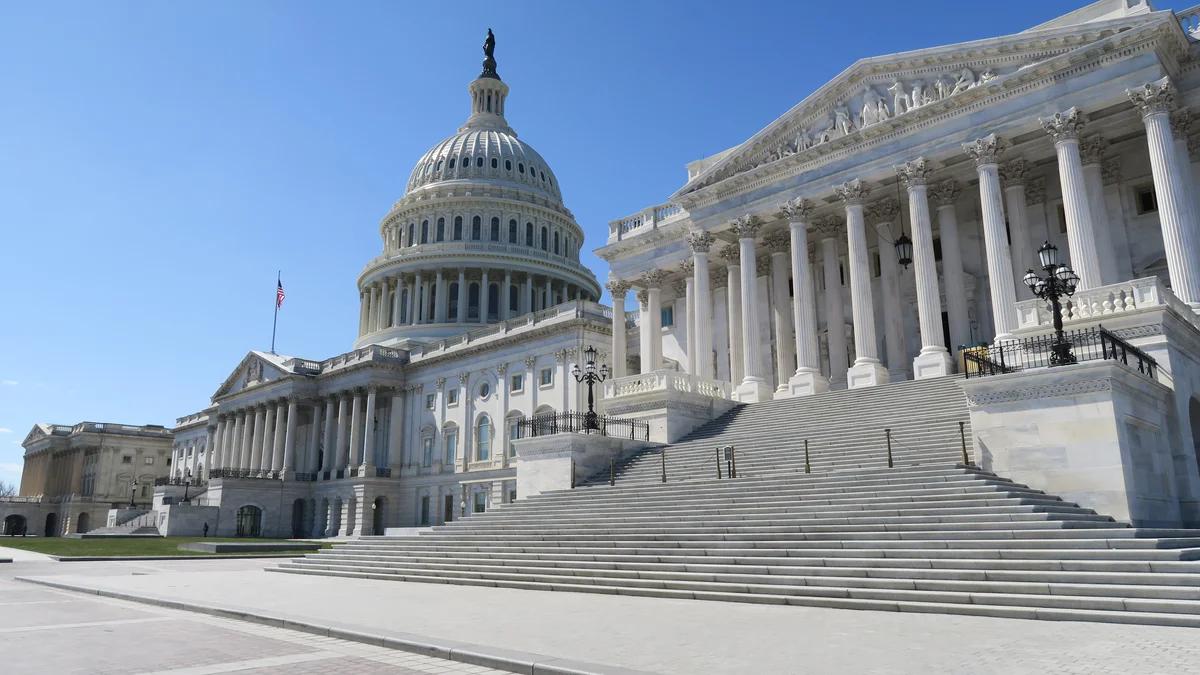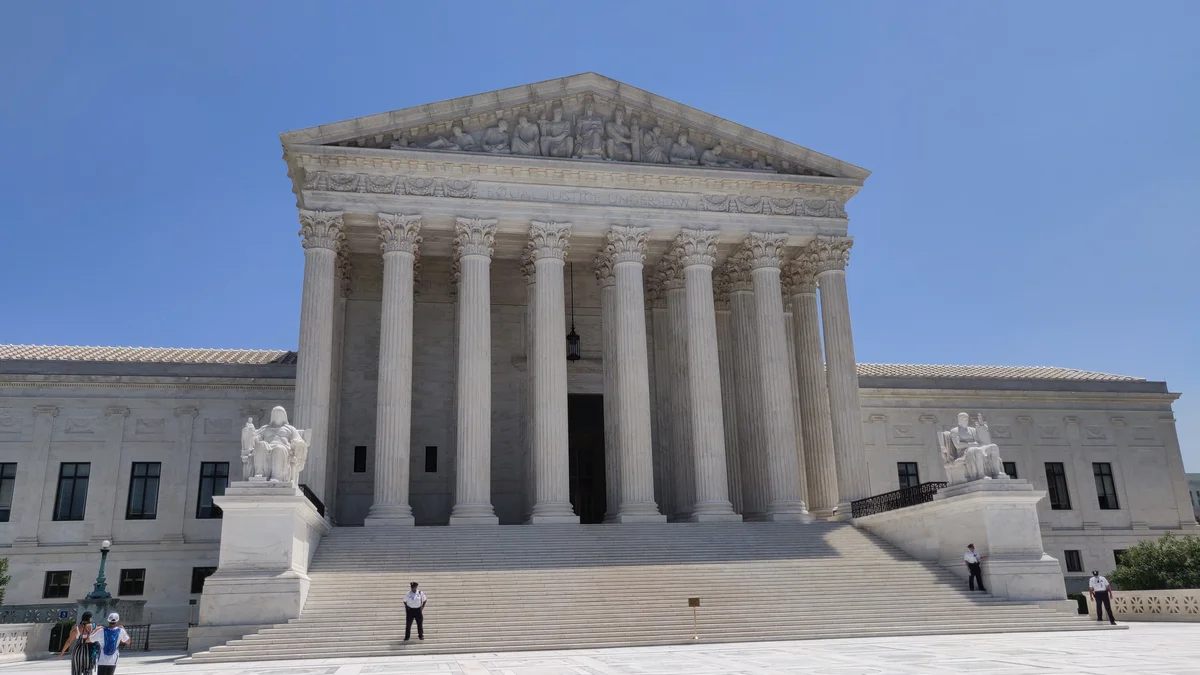
In one of the most consequential natural resource adjudications in modern American legal history, the Supreme Court of the United States heard ninety minutes of intense oral arguments on Monday in Arizona & Nevada v. California Water Coalition. The high-stakes interstate dispute centers on the constitutional interpretation of the historic 1922 Colorado River Compact and could fundamentally alter how forty million Western residents, five million acres of irrigated farmland, and thirty federally recognized Native American tribes divide a rapidly diminishing river system.
The Approaching 2027 Post-Interim Guidelines Cliff
The litigation arrived at the marble steps of the high court following the formal collapse of interstate consensus negotiations hosted by the Department of the Interior's Bureau of Reclamation. Current operational guidelines governing reservoir releases from Lake Mead and Lake Powell expire on December 31, 2026. Despite two years of intense technical negotiations, the Seven Basin States fractured along entrenched geographic and legal fault lines: the Upper Basin states (Colorado, New Mexico, Utah, and Wyoming) insisted that historical climate change-induced runoff declines must be borne proportionally across the entire basin, while Lower Basin agricultural titans in California's Imperial Valley asserted senior perfected water rights dating back to the late nineteenth century.
Representing the Lower Basin plaintiffs, Arizona Solicitor General Angela Trejo argued before the justices that the federal government possesses statutory emergency powers under the Boulder Canyon Project Act to impose non-linear, tiered volumetric cutbacks to prevent Lake Mead from dropping past "dead pool" elevation (895 feet), which would completely halt hydroelectric generation at Hoover Dam and cut off municipal water intakes for Phoenix, Las Vegas, and Southern California.
Justices Grapple with Prior Appropriation Versus Federal Sovereignty
"If the river simply does not contain the fifteen million acre-feet of water originally promised on paper a century ago, does the doctrine of prior appropriation require federal dam operators to completely drain the reservoir system to satisfy senior agricultural rights, thereby cutting off drinking water to ten million human beings?" Chief Justice John Roberts asked during a pointed exchange with California's counsel.
Justice Sonia Sotomayor and Justice Neil Gorsuch repeatedly pressed the Solicitor General of the United States, who intervened on behalf of the Department of the Interior, regarding federal tribal trust responsibilities. Over the past decade, supreme court precedents have reaffirmed that sovereign Native American nations hold senior unquantified water rights encompassing upwards of twenty-five percent of the river's average annual flow. Tribal representatives seated in the courtroom emphasized that any judicial decree reallocating basin allocations must fully respect sovereign tribal water transfers and municipal leasing markets.
Agricultural Shockwaves and Municipal Desalination Pivots
The economic stakes of the court's forthcoming ruling reverberate far beyond courtroom walls. The Imperial Irrigation District in Southern California utilizes roughly 2.6 million acre-feet of Colorado River water annually to produce over eighty percent of the nation's winter leafy green vegetables, winter carrots, and alfalfa. Mandated federal cuts of twenty to thirty percent would force hundreds of thousands of productive agricultural acres into permanent fallowing, triggering nationwide consumer grocery price spikes.
Concurrently, municipal water districts across the American Southwest are already preparing for a future with substantially less river water. Phoenix, Las Vegas, and San Diego have mobilized over 4.8 billion dollars in municipal bond issuances to accelerate municipal wastewater purification facilities, regional brackish groundwater desalination arrays, and cloud-seeding networks. A definitive ruling from the high court is expected before the end of its term in June 2027, setting the foundational legal terms of Western survival for the next half-century.