Wasting no time in exercising their newly won legislative authority following the 2026 midterm elections, incoming Democratic leadership of the House Committee on Oversight and Accountability on Thursday issued formal preservation-of-records directives to a dozen senior executive branch officials, private corporate entities, and members of President Donald Trump's immediate family.
The sweeping letters, spearheaded by prospective committee chairman Representative Robert Garcia of California, instruct recipients to maintain all electronic communications, text messages, encrypted chat logs, calendar records, and financial transaction sheets spanning the preceding two years, formally laying the groundwork for aggressive public hearings when the 120th Congress convenes in January.
Focus on Foreign Transactions, Executive Conflicts, and Regulatory Actions
Among the individuals and entities receiving the formal preservation notices are Donald Trump Jr., Eric Trump, Jared Kushner's private investment fund Affinity Partners, Vice President JD Vance, and Attorney General Todd Blanche. Congressional investigators stated that the initial phase of oversight will concentrate on whether international private investment capital, sovereign wealth fund transactions, and foreign real estate licensing agreements created unconstitutional conflicts of interest with United States foreign policy decisions.
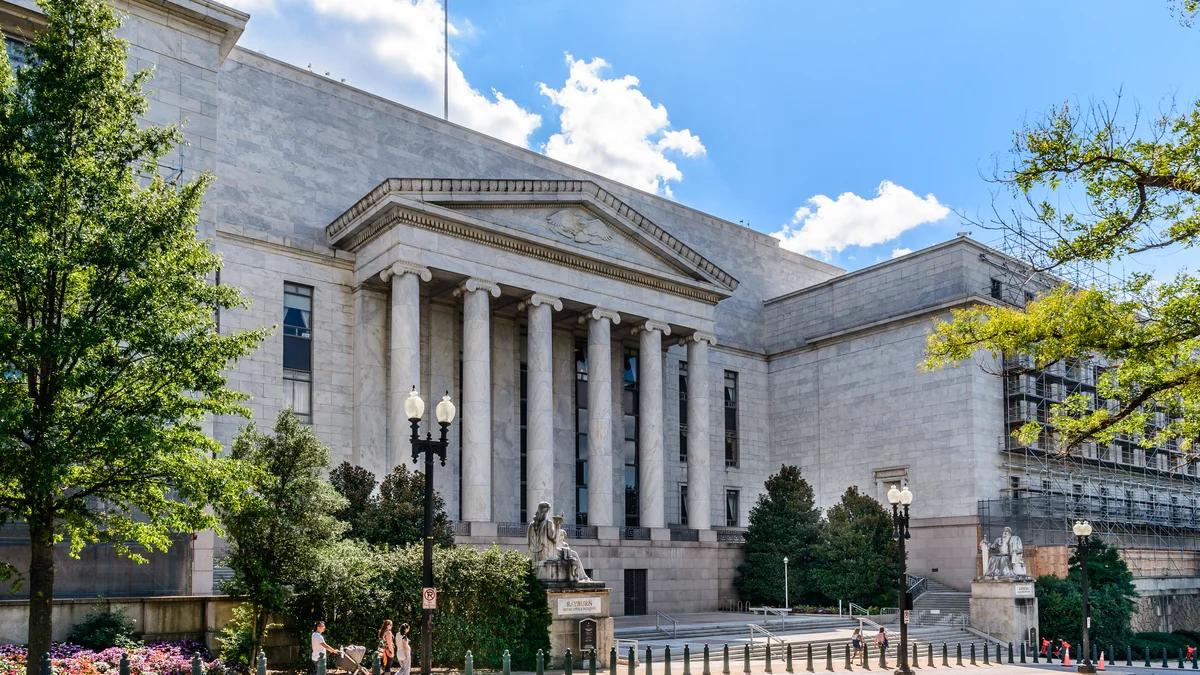
"The American people have established a clear constitutional mandate for rigorous legislative transparency, accountability, and ethical governance," Representative Garcia declared during a press conference on the steps of the Rayburn House Office Building. "The executive branch is not a family business, and the foreign policy of the United States cannot be conducted through the lens of private commercial enrichment. We are putting every relevant individual on notice: preserve your records, comply with congressional subpoenas, and prepare to account for your actions under oath."
Executive Branch Rebuttal and Partisan Battle Lines
The White House and Republican congressional leadership forcefully pushed back against the oversight notices, characterizing the letters as a partisan publicity stunt designed to obstruct the administration's economic and deregulation agenda. In an official response, executive legal counsel described the requests as overbroad, politically motivated, and legally dubious under executive privilege precedents.
"Instead of working with the administration to address border security, inflation, or air traffic control modernization, congressional Democrats are reverting to the same tired playbook of baseless subpoena warfare," a senior White House spokesperson asserted. "The administration has operated with complete transparency and adherence to federal ethics statutes."
Constitutional law scholars noted that the flurry of preservation notices signals a return to intense institutional conflict between the legislative and executive branches. As committees prepare subpoena dockets for January, legal analysts expect protracted federal court litigation over executive privilege, executive agency records access, and the constitutional limits of congressional oversight.