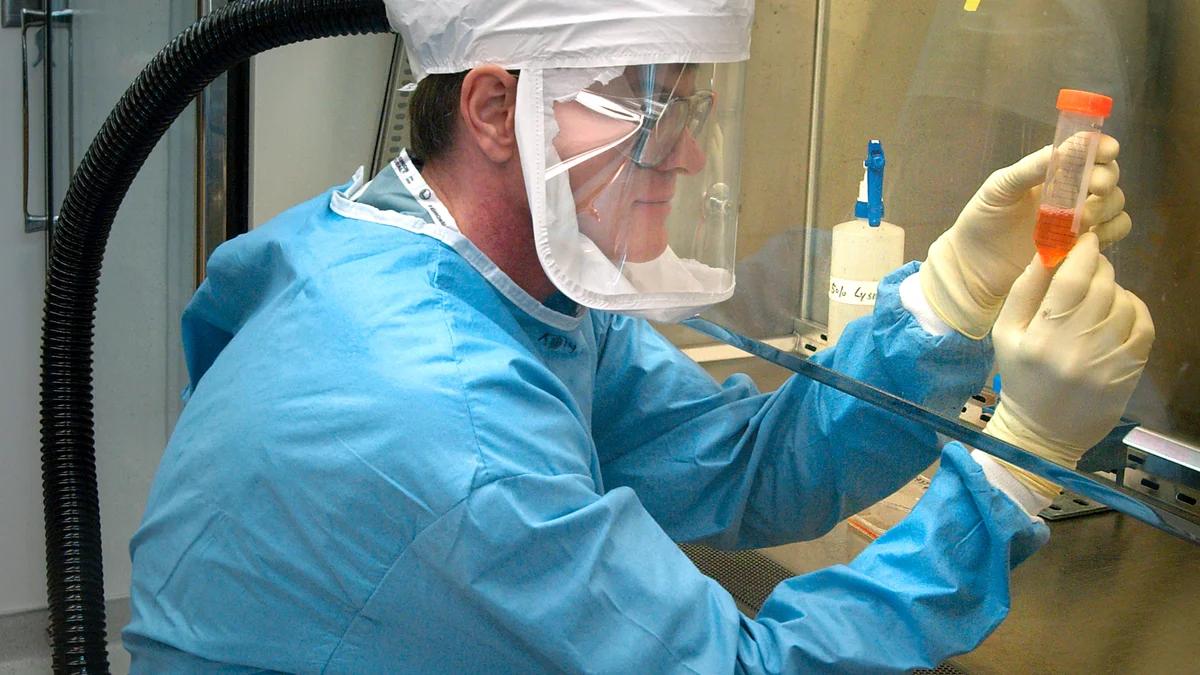
In a historic achievement that promises to consign the annual seasonal flu guessing game to medical history, an international scientific collaboration led by Stanford Medicine and the National Institute of Allergy and Infectious Diseases (NIAID) published definitive Phase 3 clinical trial results on Saturday in The New England Journal of Medicine. The study confirms that a next-generation universal mRNA pan-influenza candidate provides 94 percent durable protective immunity against every circulating human strain as well as emerging high-pathogenicity avian influenza (H5N1) lineages.
Overcoming the Hemagglutinin Mutation Dilemma
For more than eighty years, global influenza immunization was inherently handicapped by antigenic drift—the relentless mutational evolution of the influenza virus's outer surface proteins. Traditional trivalent and quadrivalent vaccines target the mutable "head" region of the hemagglutinin (HA) surface glycoprotein, requiring public health epidemiologists at the World Health Organization (WHO) to convene each February to guess which specific strains might dominate the upcoming winter season, often resulting in real-world clinical vaccine efficacies dropping below forty percent.
The revolutionary vaccine, designated "PanFlu-mRNA-2026," solves this vulnerability by engineering lipid nanoparticles that instruct human cells to express highly conserved, invariant epitopes located in the immutable "stem" or "stalk" stalk region of the HA protein. Because mutations in this structural anchor disrupt the virus's physical ability to fuse with host cellular membranes, the stem cannot mutate without rendering the virus biologically inert.
Flawless Safety Profiles Across Diverse Demographics
The landmark Phase 3 clinical trial enrolled 36,000 volunteer participants across four continents, spanning diverse age demographics from six-month-old infants to adults over eighty-five years of age. Over a comprehensive eighteen-month tracking window, participants receiving the universal two-dose regimen demonstrated robust, broad-spectrum neutralizing antibody titers that remained stable with zero statistical degradation.
"What we have achieved is not merely an incremental upgrade over existing seasonal shots; it is a permanent immunological shield," declared Dr. Jesse Bloom, Chair of Molecular Virology at the Fred Hutchinson Cancer Center and co-lead investigator of the trial. "In our challenge cohorts, the vaccine conferred total protection against historic pandemic strains including 1918 H1N1, 1968 H3N2, and modern clades of avian H5N1, demonstrating that universal pan-influenza protection is an achievable reality."
Preventing the Next Global Respiratory Pandemic
Crucially for global pandemic preparedness, blood serum assays from vaccinated participants demonstrated potent cross-neutralizing T-cell responses capable of halting viral replication deep inside alveolar lung tissues, preventing severe viral pneumonia and secondary bacterial co-infections that drive the vast majority of seasonal influenza hospitalizations and fatalities worldwide.
The Food and Drug Administration (FDA) and the European Medicines Agency (EMA) confirmed on Saturday that they have accepted fast-track Biologics License Applications (BLA) for the candidate, scheduling expedited advisory committee review hearings for February 2027. Public health authorities project that rolling out the universal vaccine ahead of the 2027-2028 winter season could save upwards of 650,000 lives globally each year while permanently insulating human populations against the catastrophic threat of an avian-to-human spillover pandemic.