Global energy benchmarks stabilized following several days of intense volatility, with Brent crude rebounding to trade near $96 per barrel on Friday as international commercial maritime risks and shifting refinery crude slates across the U.S. Gulf Coast reinforced supply constraints. While speculative financial flows reacted to hawkish Federal Reserve expectations, physical crude traders reported robust prompt demand for sweet crude barrels.
Maritime insurance underwriters in London raised war-risk premiums once again following fresh drone and missile incidents targeting commercial tankers attempting to transit the Bab el-Mandeb strait and Southern Red Sea. As a consequence, major container lines and independent tanker fleets continue diverting millions of barrels of crude and refined petroleum products around Africa's Cape of Good Hope, adding twelve to fifteen transit days to Europe-bound voyages and tying up vital global tanker tonnage.
Gulf Coast Refineries Maximize Seasonal Distillate Output
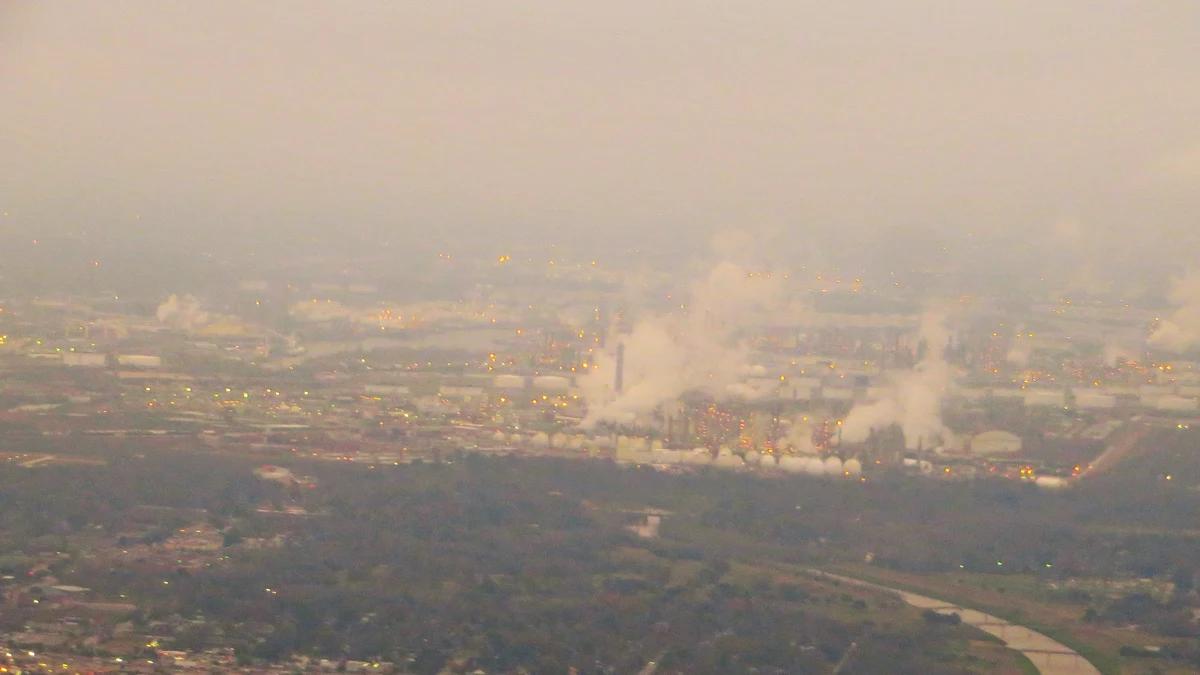
Along the Houston Ship Channel and Port Arthur industrial complex, American refiners have completed scheduled autumn turnaround maintenance and are operating processing units at roughly 92 percent of nameplate capacity. Refinery managers report elevated "crack spreads"—the profit margin earned by refining crude oil into diesel, jet fuel, and gasoline—supported by strong domestic trucking consumption and sustained export demand from Latin America and transatlantic buyers.
Domestic energy security has been further buttressed by resilient production across the Permian Basin and the Gulf of Mexico shelf, where American producers are pumping a record 13.9 million barrels per day according to the latest U.S. Energy Information Administration (EIA) figures. Increased domestic takeaway pipeline capacity has ensured that regional gathering hubs in Cushing, Oklahoma, remain well-supplied, preventing steep price dislocations for American industrial consumers.
OPEC Compliance and Global Inventories Under Scrutiny
Energy analysts at Goldman Sachs and the International Energy Agency (IEA) underscored that global crude inventories remain lean relative to five-year historical averages, leaving energy markets vulnerable to sudden geopolitical shocks. While OPEC+ member states continue adhering strictly to production quotas, non-OPEC output growth from the United States, Guyana, and Brazil has supplied the majority of incremental global demand growth across 2026.
Industry leaders caution, however, that sustained refinery utilization depends heavily on stable commercial credit conditions. With interest rates projected to remain elevated well into 2027 following stubborn inflation data, working capital financing for long-haul maritime cargo is becoming increasingly costly, prompting traders to optimize localized inventory holdings rather than speculative seaborne arbitrage.