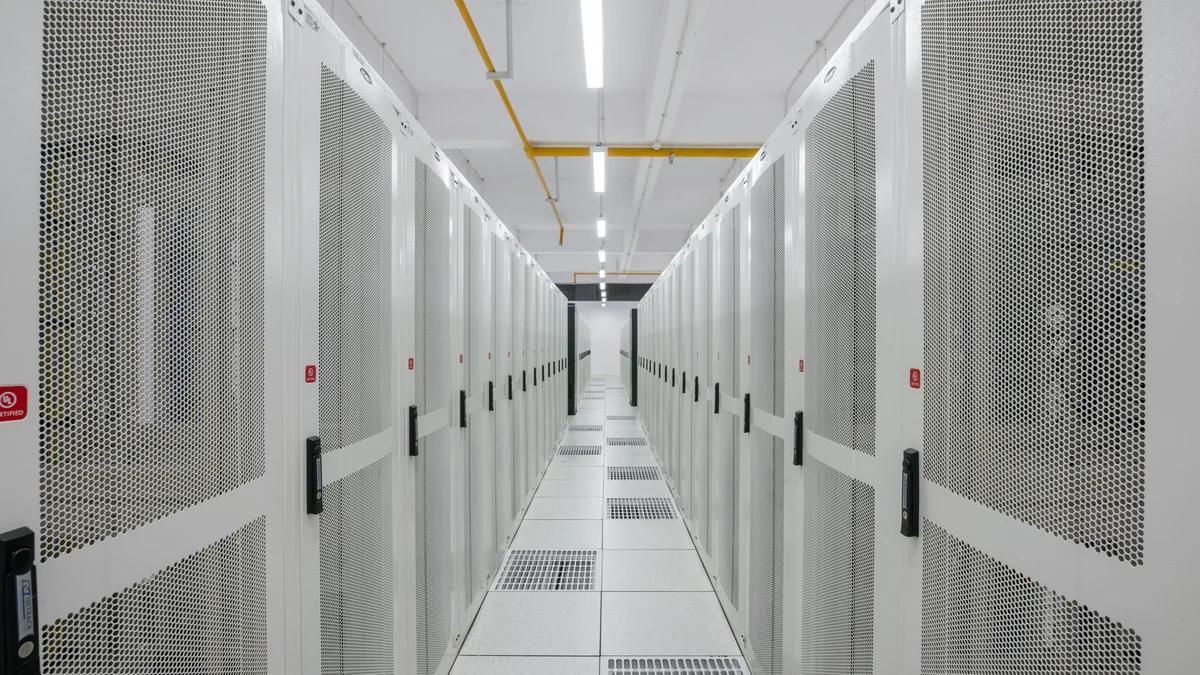
The International Energy Agency (IEA) on Thursday published a sobering special outlook that sent shockwaves through energy ministries and technology boardrooms worldwide, warning that the unprecedented, exponential expansion of artificial intelligence hyperscale data centers will drive an alarming 70 percent surge in global computing carbon emissions by 2030 unless clean baseload power generation is scaled at a wartime pace.
The landmark report, titled *Energy, Algorithms, and the Climate Horizon*, projects that worldwide electricity consumption by data centers will more than double from approximately 460 terawatt-hours (TWh) in 2024 to over 1,050 TWh by 2030—a total roughly equivalent to the entire electrical consumption of the continent of Europe.
The Basal Load Dilemma: Re-Firing Fossil Generation for AI Clusters
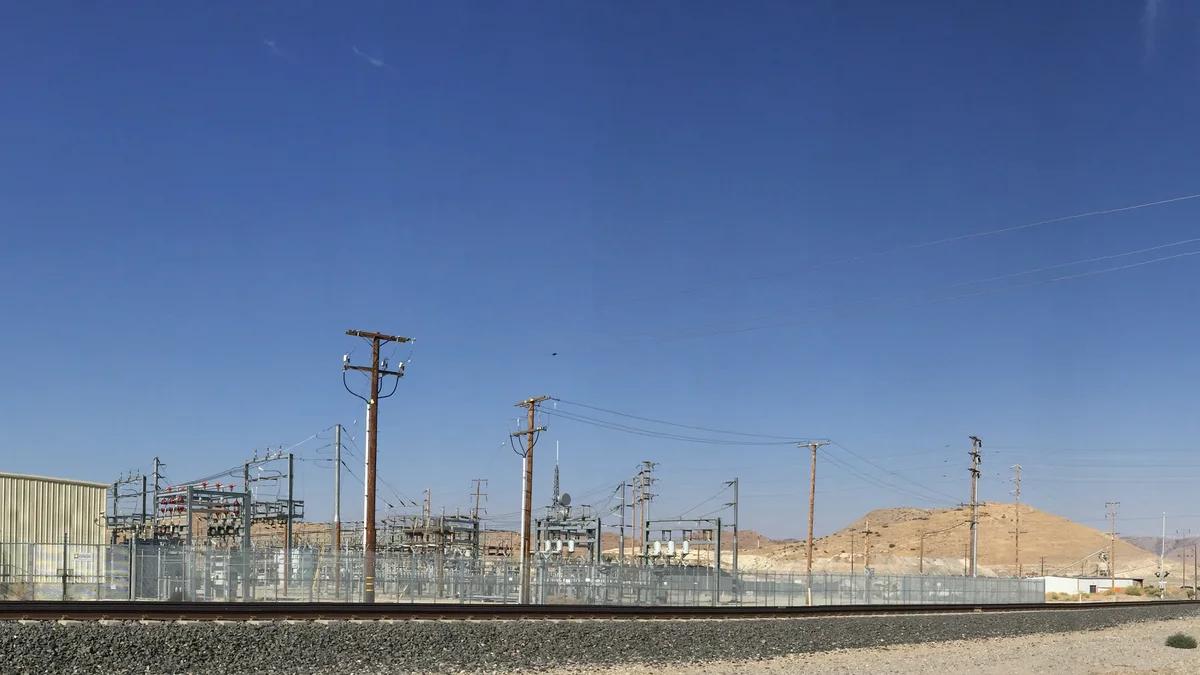
While technology conglomerates like Microsoft, Google, Amazon, and Meta have pledged carbon-neutral and 24/7 carbon-free energy operations, the sheer physical reality of interconnecting multi-gigawatt AI training campuses is colliding with transmission bottlenecks and renewable intermittency. In regions such as Northern Virginia, Texas, and Ireland, regional grid operators have been forced to delay the retirement of legacy coal-fired plants and approve new natural gas peaker turbines to guarantee continuous power to server racks that cannot tolerate even a millisecond of voltage drop.
"We are witnessing an acute friction between two monumental global transitions: the digital revolution and the clean energy transition," stated IEA Executive Director Fatih Birol during the report's presentation in Paris. "Artificial intelligence holds immense promise for scientific optimization and grid efficiency, but in the near term, its unquenchable thirst for continuous, uninterrupted electricity threatens to lock in fossil fuel infrastructure for decades. Technology leaders must become co-investors in advanced nuclear baseload, deep geothermal, and long-duration storage rather than relying on paper offsets."
Regional Transmission Bottlenecks and Grid Interconnection Queues
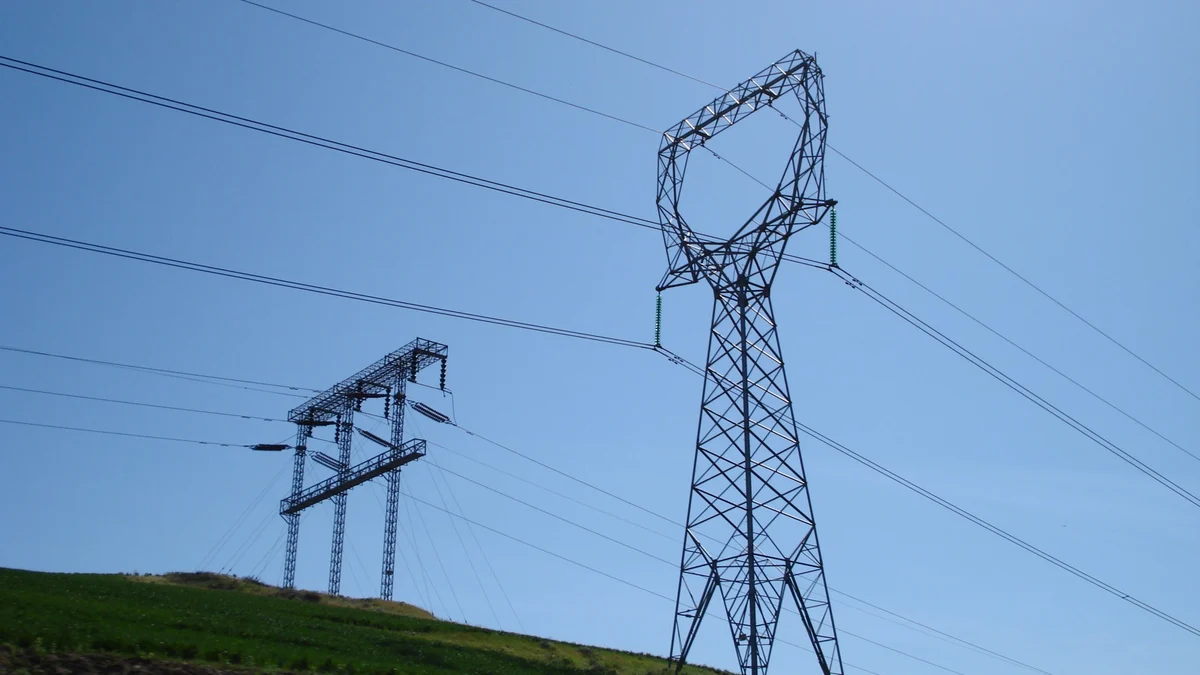
The report highlighted that in the United States alone, over 2,600 gigawatts of planned renewable energy generation and battery storage remain trapped in bureaucratic interconnection queues awaiting transmission line buildouts. As tech companies compete aggressively for immediate grid access, energy planners warn that industrial electricity tariffs could surge for residential consumers and manufacturing plants.
The IEA called on international governments to establish standardized energy-efficiency benchmarks for server hardware, mandate waste-heat capture for district heating networks, and fast-track regulatory approvals for dedicated on-site modular nuclear reactors at AI computing parks. Energy analysts emphasized that the future of artificial intelligence will not be decided solely by software algorithms, but by the physical steel, copper, and concrete of the electrical grid.