In what energy economists and nuclear engineers are celebrating as the dawn of a new clean energy epoch, the United States Nuclear Regulatory Commission (NRC) voted unanimously on Saturday to approve the first commercial construction and operating license (COL) for a next-generation advanced molten-salt Small Modular Reactor (SMR). The historic regulatory clearance authorizes TerraPower, in partnership with PacifiCorp, to commence nuclear-island construction on its 345-megawatt Natrium reactor facility in Kemmerer, Wyoming.
The Inherent Safety of Liquid Molten-Salt Cooling
Unlike conventional light-water nuclear reactors that utilize high-pressure water coolant—requiring colossal, multi-layered concrete containment domes and redundant diesel emergency pump arrays to prevent meltdowns during power loss—the Natrium design operates at atmospheric pressure utilizing liquid molten sodium and molten-salt heat transfer loops. Liquid sodium boils at an astonishing 1,621 degrees Fahrenheit, hundreds of degrees higher than the reactor's normal operating temperatures.
This thermodynamic characteristic provides what nuclear physicists classify as passive walk-away safety: even in the catastrophic event of a total station blackout or complete loss of external electrical grid power, natural air convection currents through the vessel walls naturally circulate and dissipate decay heat indefinitely without requiring human operator intervention, emergency backup pumps, or fresh water injection.
Decoupling Baseload Generation with Molten-Salt Energy Storage
"Today's regulatory milestone decisively demonstrates that nuclear power can be safe, scalable, rapidly constructible, and economically competitive," declared NRC Chairman Christopher Hanson following the commission's public voting session in Rockville, Maryland. "Advanced SMR architectures represent the indispensable baseload linchpin that our nation requires to decarbonize heavy manufacturing, power emerging artificial intelligence computing infrastructure, and guarantee national energy independence."
A transformative engineering feature of the Kemmerer installation is its integrated gigawatt-hour molten-salt thermal energy storage system. When regional electrical demand is moderate, the reactor's thermal output is diverted to heat vast insulated tanks of liquid nitrate salts. When local solar or wind generation drops during peak evening consumption spikes, the stored thermal energy can instantly surge turbine electrical output from 345 megawatts to 500 megawatts for over five continuous hours, acting as a massive carbon-free peaker plant.
Repurposing Former Coal Infrastructure and Revitalizing Communities
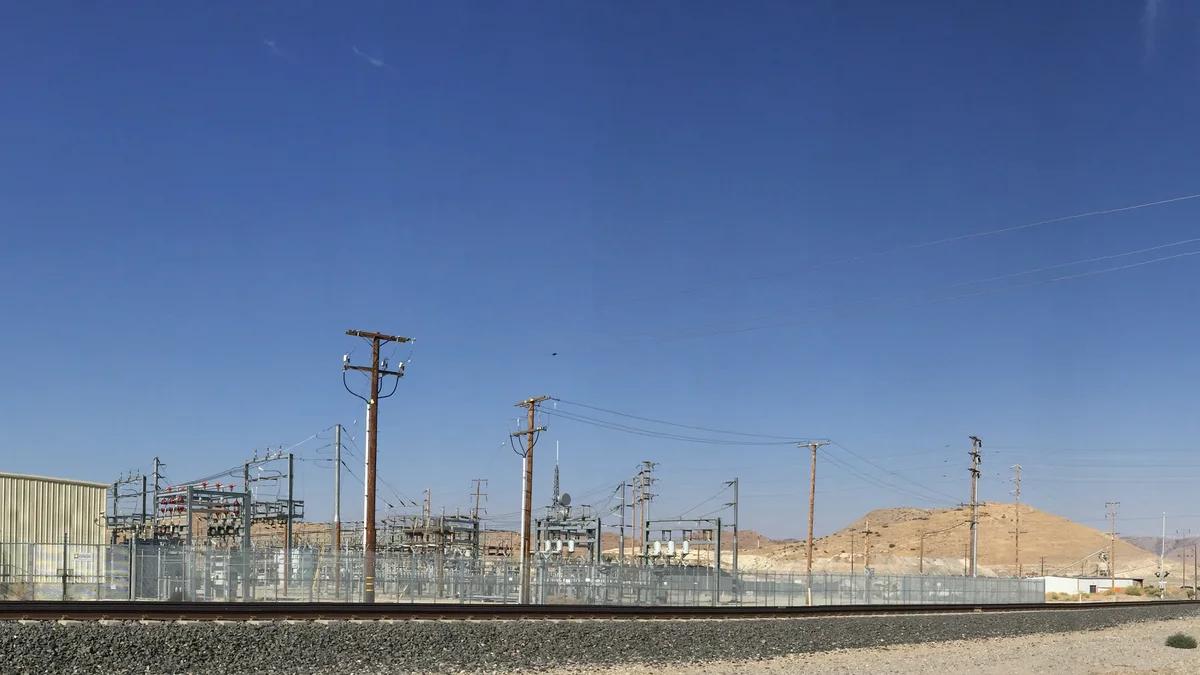
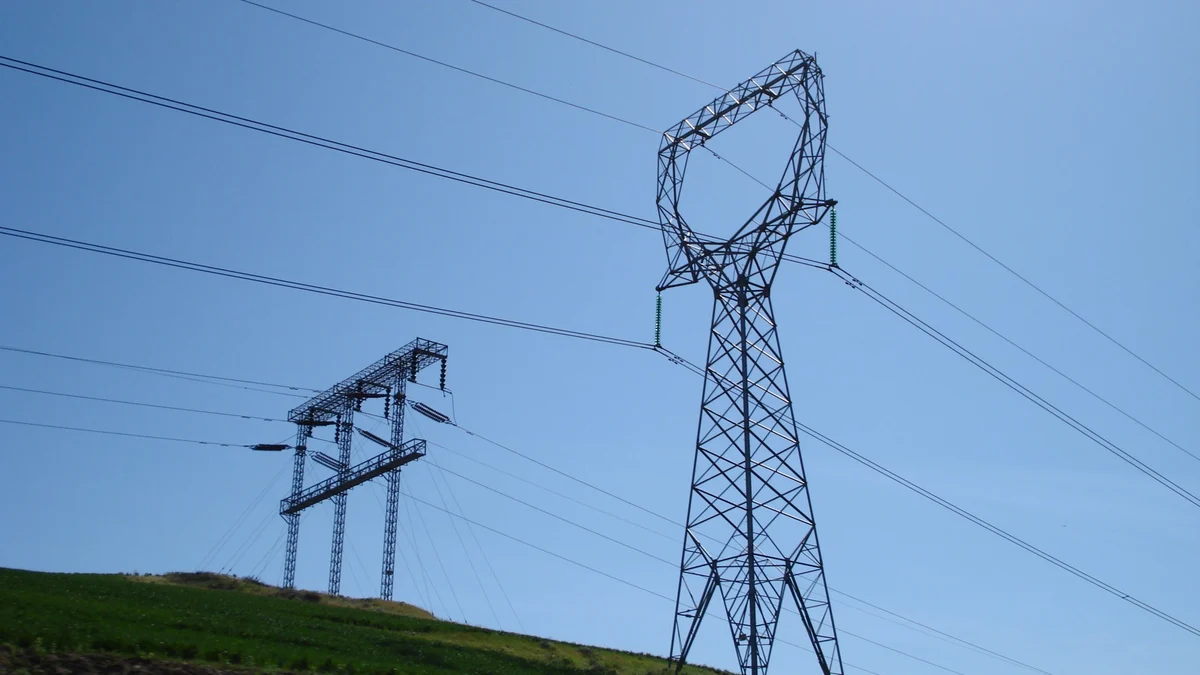
The project represents a poignant economic triumph for southwestern Wyoming. Built on the site of the retiring Naughton coal-fired power plant, the advanced SMR seamlessly plugs directly into the existing high-voltage transmission switchyards and rail corridors, avoiding billions of dollars in costly transmission line construction.
Furthermore, over seventy percent of the facility's specialized permanent operational workforce is being hired directly from the retiring coal plant's unionized boilermakers, electricians, and instrumentation technicians through specialized federal retraining partnerships. With commercial power synchronization scheduled for late 2028 and an order pipeline of twenty additional SMR units already signed with industrial utilities across the Mountain West, advanced molten-salt nuclear technology has decisively transitioned from blueprint to commercial reality.