As the international community debated global grid targets at COP31 in Antalya, commercial renewable developers and Asian energy ministries moved decisively on Wednesday to deliver concrete generating capacity, announcing major multi-gigawatt wind power partnerships and high-voltage transmission interconnectors across Southeast Asia.
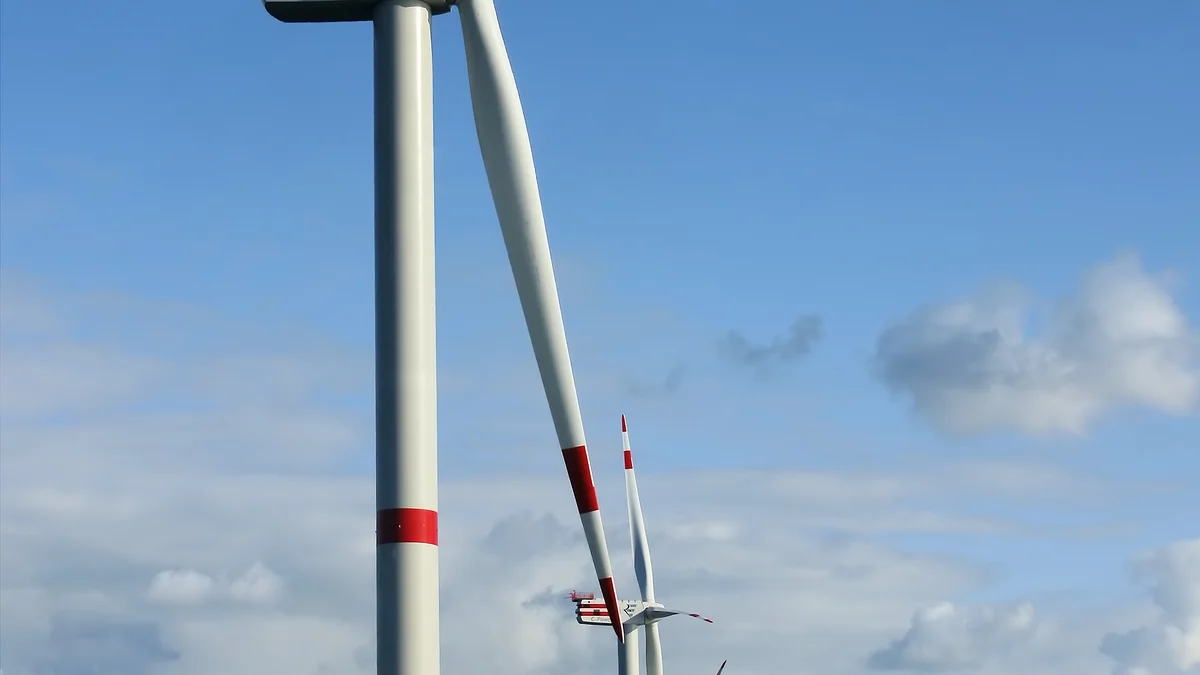
Leading green technology conglomerate Envision Energy finalized an expanded multi-year contract in Vietnam, securing the development of a flagship 45-megawatt wind farm in Khanh Hoa Province alongside a comprehensive 15-year service extension covering existing wind assets. The project serves as the anchor deployment for next-generation ultra-tall, low-wind-speed turbine architectures engineered specifically for tropical monsoon climates.
Unlocking Low-Speed Wind Potential in Developing Economies
Historically, commercial wind power development in equatorial Asia was constrained by moderate and variable wind speeds compared to the fierce gale corridors of the North Sea or the American Great Plains. The Khanh Hoa deployment utilizes revolutionary lightweight carbon-fiber blades spanning over 90 meters, paired with smart pitch controls and direct-drive permanent magnet generators that achieve high capacity factors even in gentle breezes as low as 3 meters per second.
"We are redefining where renewable energy can thrive," explained Envision's Southeast Asia managing director during the signing ceremony in Hanoi. "By pairing intelligent aerodynamic modeling with digital twin predictive maintenance, we are proving that developing economies do not have to choose between affordable industrial electricity and rapid decarbonization."
Building Regional High-Voltage Green Grids
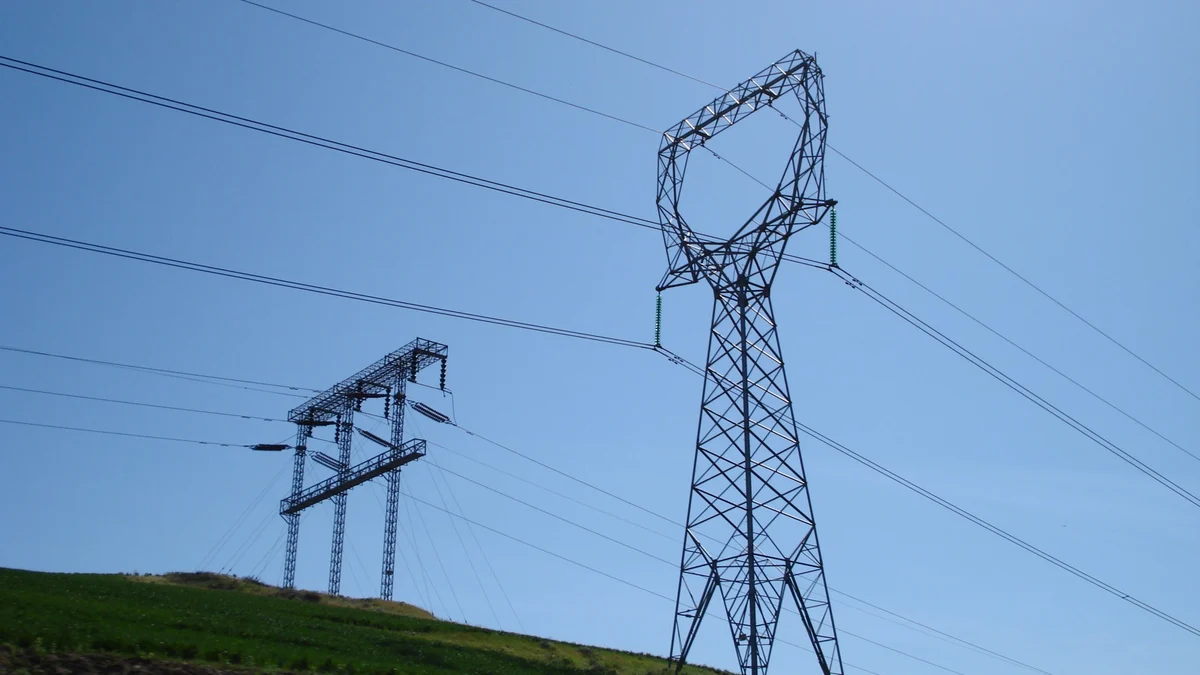
The project represents a crucial link in the emerging ASEAN Power Grid framework, which aims to interconnect renewable generation hubs across Vietnam, Laos, Cambodia, Malaysia, and Singapore. Under bilateral energy trade agreements ratified this week, surplus clean electricity generated by coastal wind farms will be transmitted via high-voltage direct current (HVDC) lines to power semiconductor manufacturing clusters in urban industrial zones.
International financing institutions, including the Asian Development Bank and regional infrastructure consortia, provided blended concessional capital to underwrite local substation upgrades and battery energy storage systems (BESS). Energy analysts hailed the milestone as tangible proof that competitive technology innovation, rather than protracted diplomatic debates, is driving the accelerating global energy transformation.