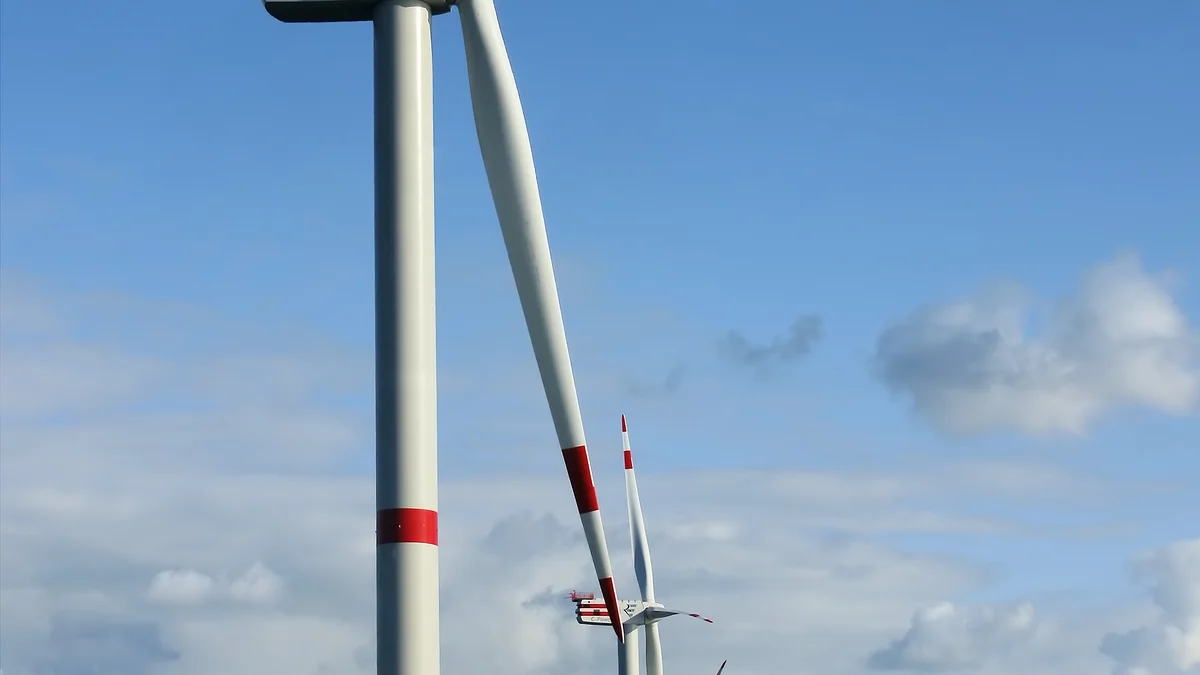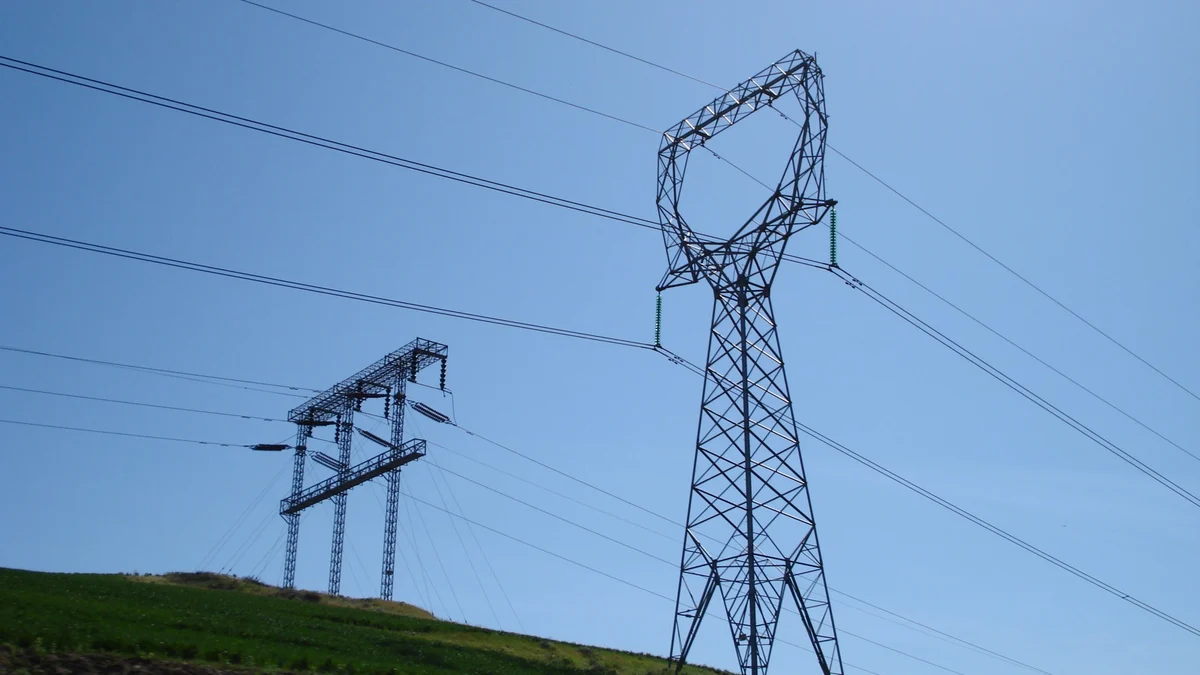
The United States Department of Energy (DOE) on Friday announced an unprecedented 4.2-billion-dollar federal funding allocation under the Bipartisan Infrastructure Law to construct twelve utility-scale Long-Duration Energy Storage (LDES) multi-gigawatt facilities across twelve states. The initiative is specifically engineered to overcome the chronic intermittency hurdles of renewable solar and wind generation, providing non-fossil baseload power to the nation's regional electrical grids during multi-day weather anomalies and extreme seasonal temperature spikes.
Moving Beyond Lithium-Ion Durations
While conventional lithium-ion batteries have expanded rapidly across electrical grids in California and Texas over the past decade, their practical economic discharge duration is strictly constrained to four to six hours—rendering them insufficient to cover prolonged multi-day "dunkelflaute" periods characterized by overcast skies and stagnant wind conditions. The newly funded projects utilize cutting-edge non-lithium chemistries designed specifically for multi-day endurance, including multi-day iron-air oxidation systems, domestic sodium-ion architectures, and high-capacity vanadium redox flow electrolytes.
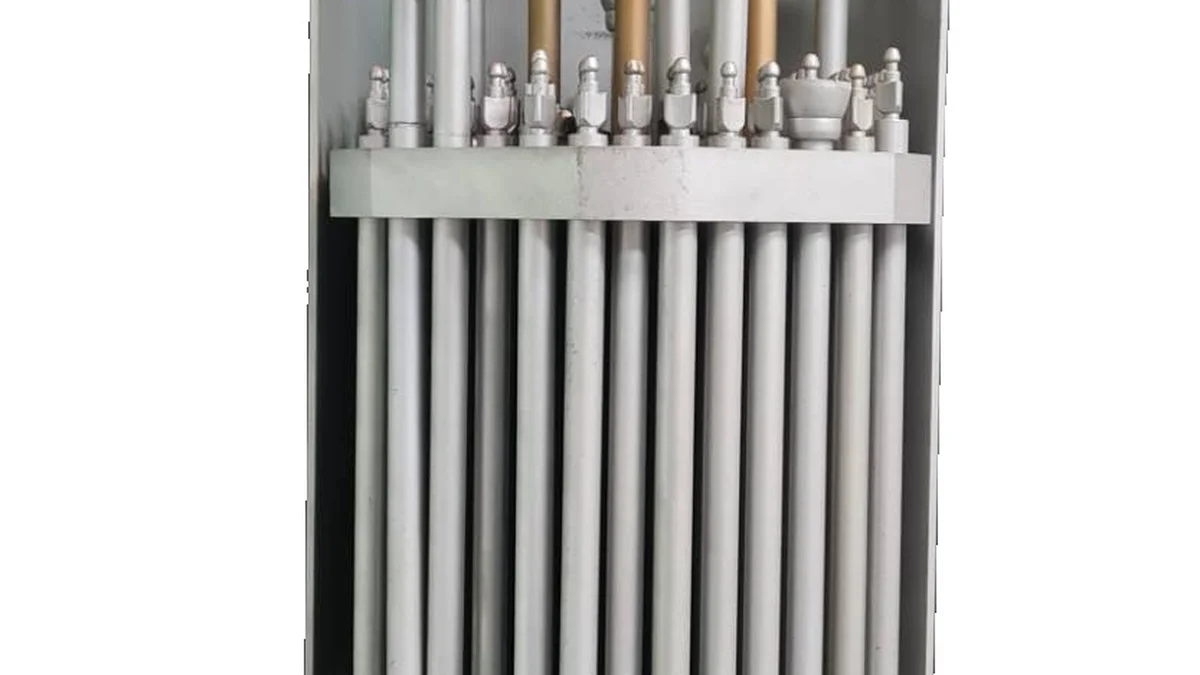
The flagship installation, to be developed near Pueblo, Colorado, in partnership with Xcel Energy and Form Energy, will deploy a 150-megawatt/15,000-megawatt-hour iron-air battery system capable of continuously dispatching full electrical power into the Western Interconnection for one hundred continuous hours. The technology operates on the reversible rusting of abundant, inexpensive iron pellets, slashing levelized storage costs by over seventy percent compared to legacy lithium-ion equivalents.
Strategic Deployments Across Critical Regional Interconnections
"A twenty-first-century industrial economy cannot run on a nineteenth-century electrical grid that buckles whenever a winter freeze or summer heatwave lingers for more than forty-eight hours," stated Energy Secretary Jennifer Granholm during the grant announcement at a clean tech research facility in Golden, Colorado. "By commercializing multi-day storage at utility scale, we are transforming variable wind and solar power into rock-solid, dispatchable baseload electricity while creating thousands of skilled union jobs in former coal-dependent industrial heartlands."
The federal matching grants will support installations across three primary regional transmission authorities:
ERCOT (Texas): Three 100-hour multi-gigawatt installations situated across West Texas and the Houston petrochemical corridor to prevent catastrophic winter blackout recurrence.
MISO (Midwest): Four iron-air and sodium-ion facilities deployed alongside massive Great Plains wind corridors in Iowa, Minnesota, and Illinois.
CAISO/West (Southwest): Five high-temperature thermal and vanadium flow facilities integrated directly with massive desert utility-scale solar arrays in Nevada, Arizona, and Utah.
Supply Chain Security and Domestic Mineral Sovereignty
Crucially for American industrial policy, none of the twelve funded battery storage technologies rely on foreign-sourced cobalt, graphite, or nickel. By anchoring storage chemistry in domestic iron, salt, sulfur, and earth-abundant iron oxides, the DOE projects are insulated from volatile international commodity trade embargoes and geopolitical export restrictions.
Regional utility operators have warmly welcomed the federal investment, noting that the long-duration storage installations will prevent billions of dollars in economic curtailment—where clean energy generation is forcefully shut down during afternoon hours due to transmission line congestion. Construction on the initial four facilities is scheduled to break ground in March 2027, with the full twelve-site fleet projected to deliver 32 gigawatt-hours of resilient storage capacity to American homes and businesses by late 2028.