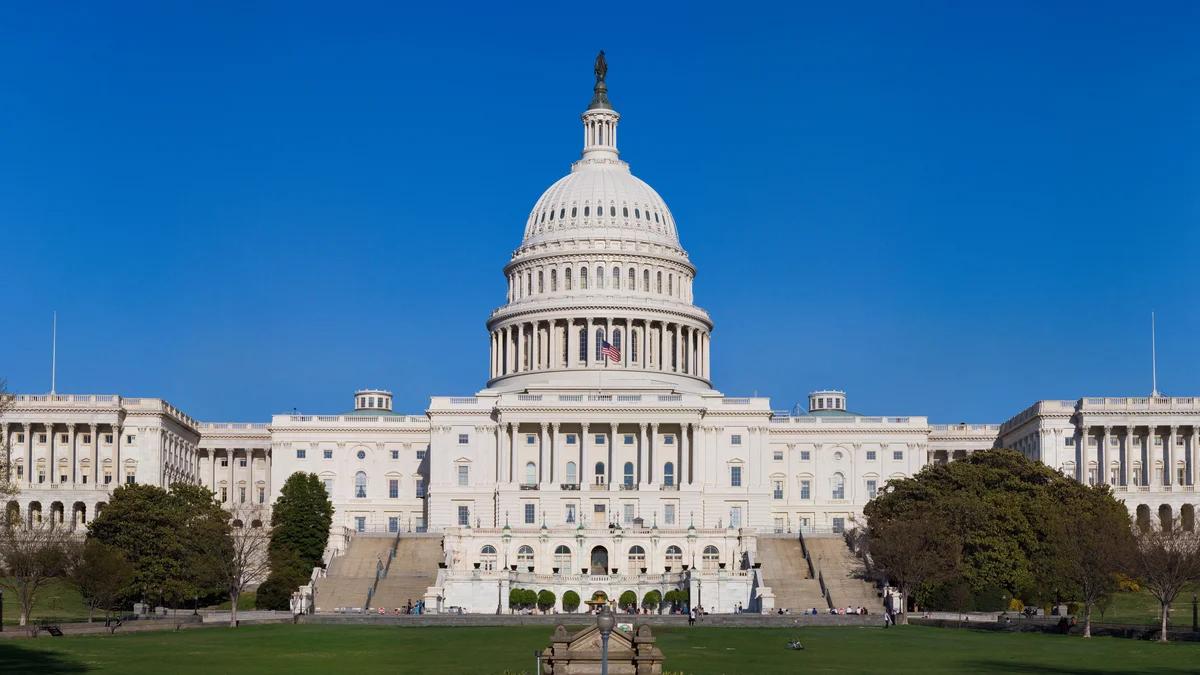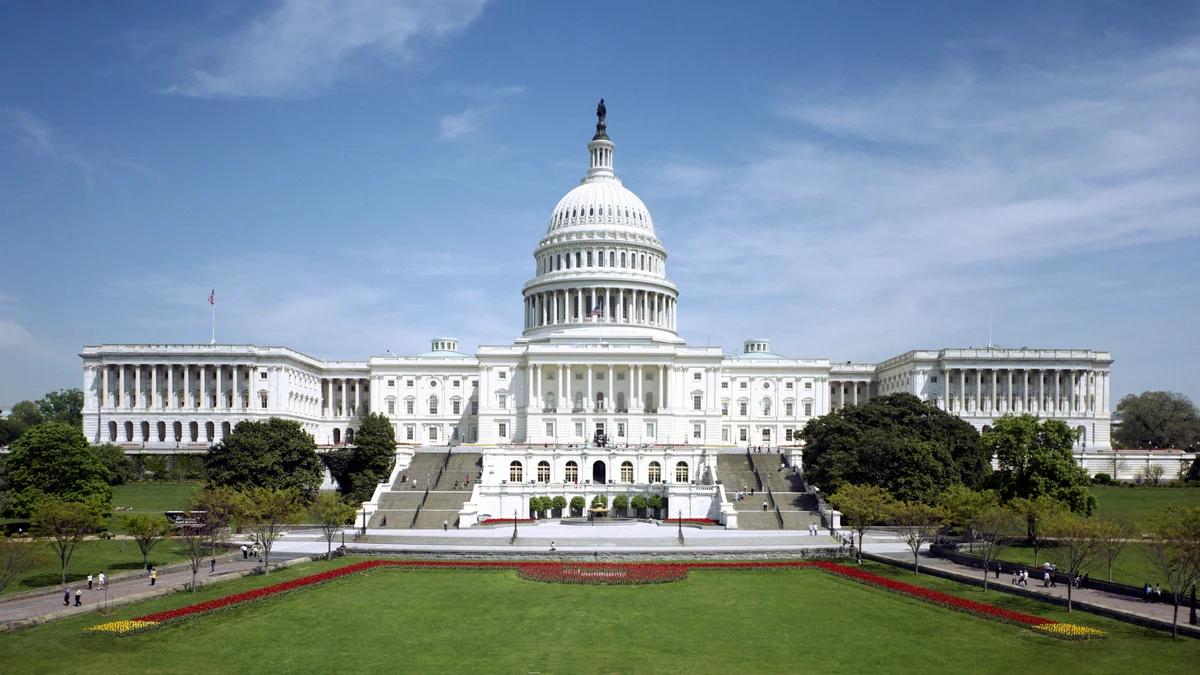
Following a turbulent week marked by nationwide commercial aviation ground stops and cascading scheduling system failures, Transportation Secretary Sean Duffy and senior leadership of the Federal Aviation Administration (FAA) faced mounting pressure on Capitol Hill on Tuesday as lawmakers announced emergency bipartisan oversight hearings to scrutinize the federal government's multi-billion-dollar airspace modernization program.
The House Transportation and Infrastructure Committee and the Senate Commerce Committee confirmed that joint hearings will commence next week to investigate the root causes of recent air traffic control automation glitches that grounded hundreds of flights and left tens of thousands of travelers stranded at major hubs from Chicago O'Hare to Atlanta Hartsfield-Jackson.
Bipartisan Frustration Over Decades of Modernization Delays
Lawmakers on both sides of the aisle voiced frustration that despite consecutive federal appropriations bills funneling billions of dollars into the FAA's NextGen airspace initiative, the nation's air traffic control infrastructure continues to rely on vulnerable legacy telecommunications switches, fragmented contractor software architectures, and acute regional staffing deficits.
"American travelers pay billions in aviation trust fund taxes every single year with the legitimate expectation of a safe, resilient, and state-of-the-art airspace system," declared House Transportation Committee leaders during a joint press briefing. "When a single communication server glitch in an en-route air traffic center triggers ground stops across twelve states, it ceases to be an isolated operational inconvenience—it becomes an unvarnished national security and economic risk."
Secretary Duffy Defends Accelerated Tech Procurement
Appearing on morning national policy forums, Secretary Duffy defended the administration's aggressive timeline for restructuring FAA procurement practices, arguing that bureaucratic inertia and complex federal procurement rules have historically prevented the agency from adopting commercial off-the-shelf cloud computing solutions rapidly enough.
"We are actively dismantling a legacy culture that moves at the speed of paper rather than the speed of code," Duffy stated. "The FAA is currently transitioning its critical flight information databases to redundant, decentralized hybrid cloud architectures. However, you cannot replace the engine on a jet while it is flying at thirty thousand feet without meticulous safety protocols. We welcome congressional oversight because we need lawmakers to approve streamlined procurement flexibility and emergency technician training budgets."
A Union and Industry Call for Dedicated Workforce Expansion
The National Air Traffic Controllers Association (NATCA) and major airline trade associations submitted joint testimony warning that technical modernization alone cannot solve the structural crisis without addressing chronic controller shortages. U.S. air traffic control centers remain staffed roughly 1,500 controllers below certified target levels, resulting in mandatory six-day work weeks at several critical terminal radar approach control facilities.
As the Thanksgiving travel surge looms, aviation executives and transportation planners are urging Congress to pass emergency supplementary funding to fast-track simulator training academies and deploy automated digital tower monitoring across tier-two regional airports.