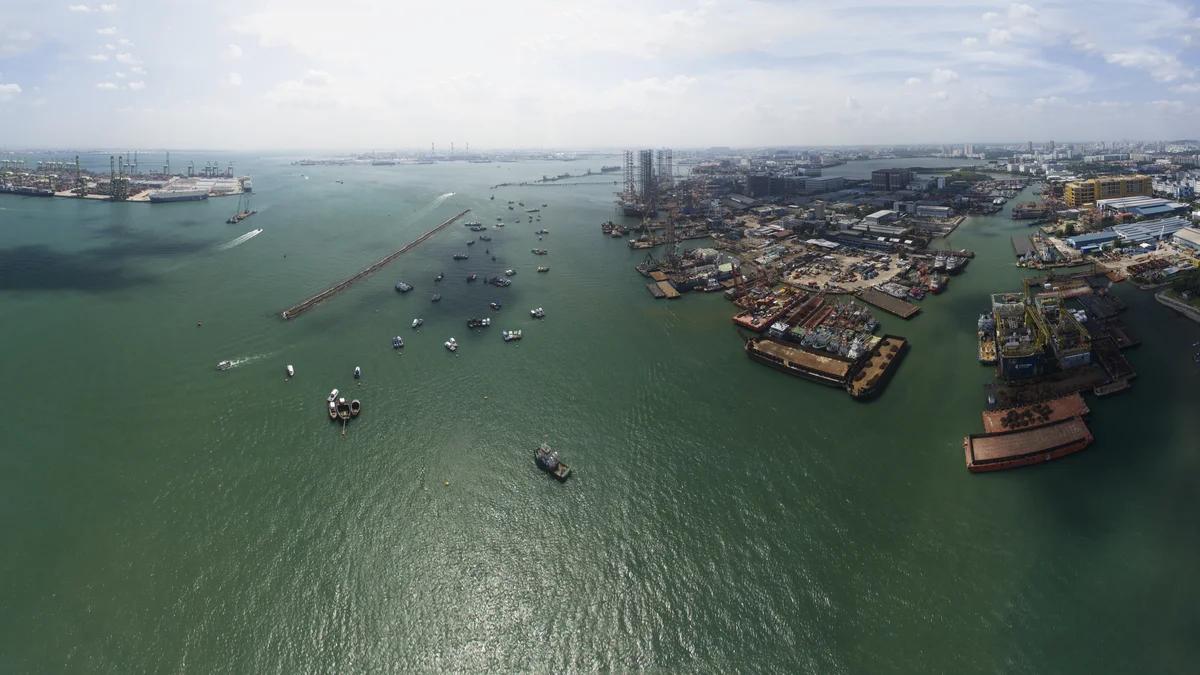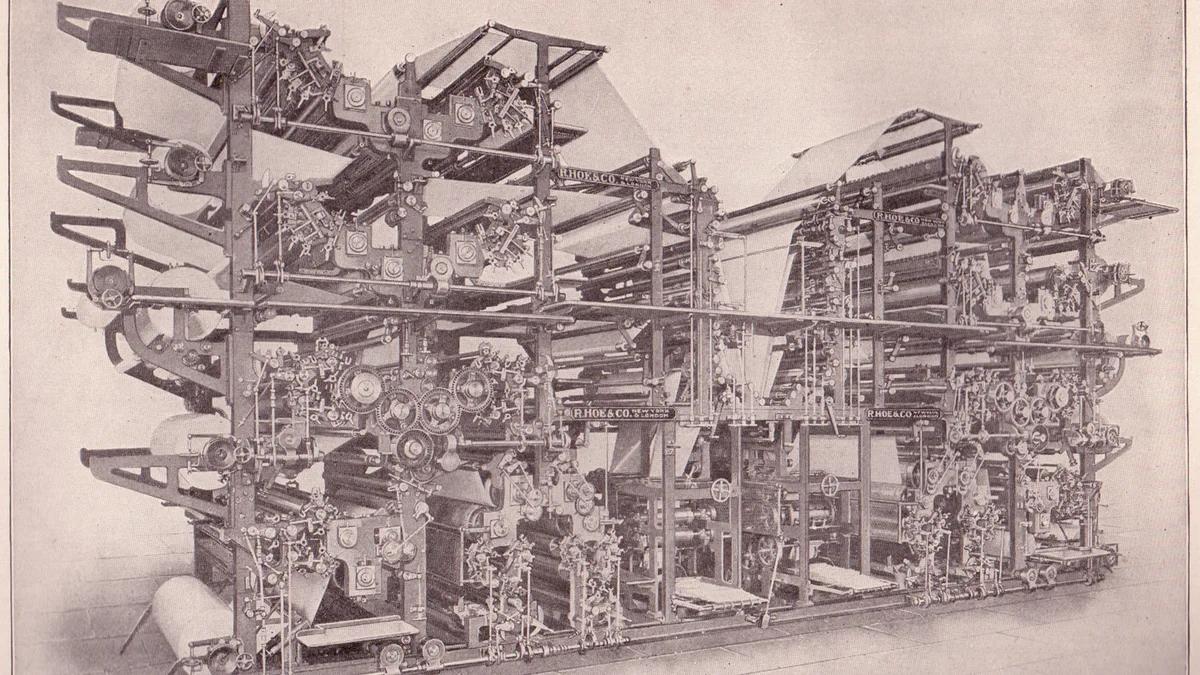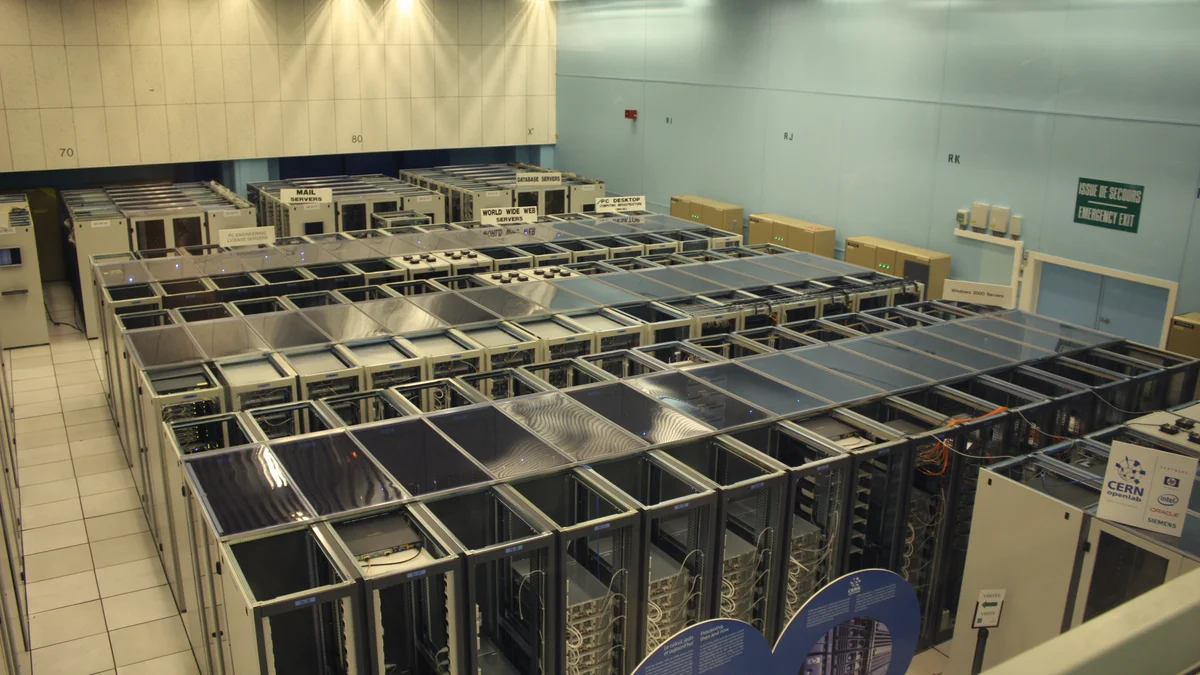
For more than three decades following the fall of the Berlin Wall, Western strategic foreign policy was governed by an unquestioned economic theology: that borderless global supply chains, financial deregulation, and just-in-time offshoring would inevitably weave the community of nations into an enduring, peaceful tapestry of democratic interdependence. We told ourselves that factory towns could be hollowed out without consequence, that vital domestic manufacturing could be permanently outsourced to authoritarian rivals, and that a nation's strength could be measured exclusively in quarterly corporate share buybacks rather than tangible productive capacity.
The Collapse of the Flat-World Orthodoxy
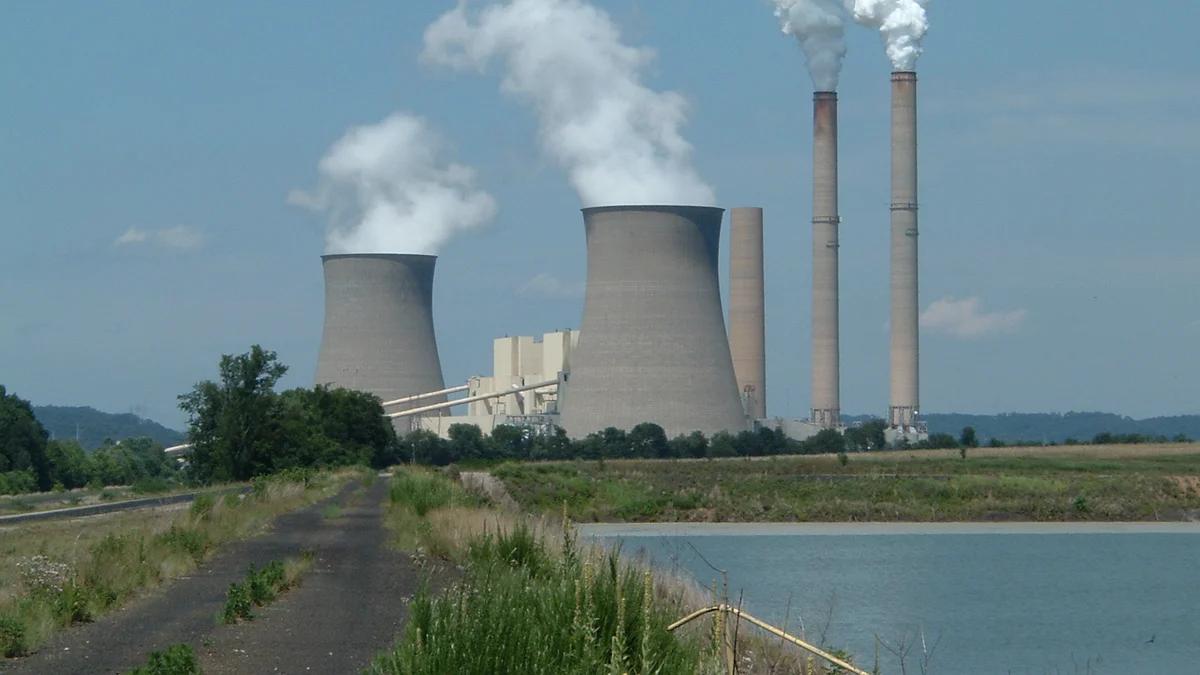
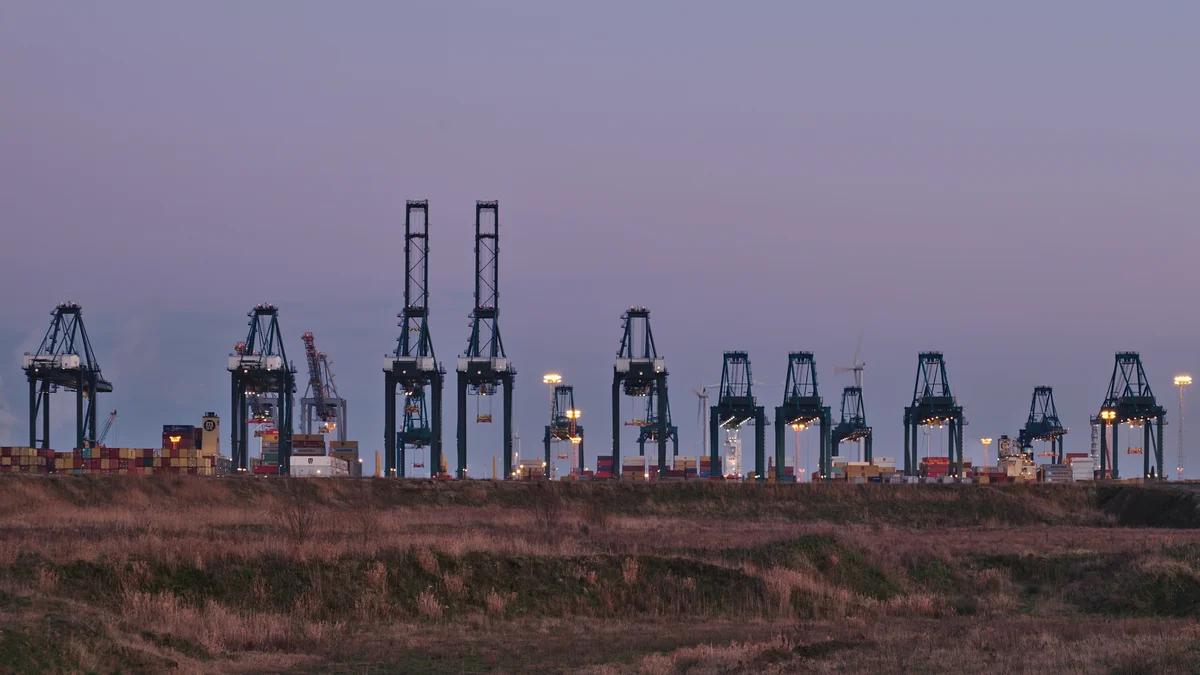
Today, standing in the turbulent geopolitical landscape of late 2026, that flat-world orthodoxy lies in smoking ruins. From the militarization of oceanic trade straits to weaponized critical mineral export bans and state-sponsored cyber assaults on electrical grids, we have learned the brutal lesson that economic interdependence without domestic resilience does not prevent conflict—it invites extortion.
When an empire loses the ability to manufacture its own pharmaceutical antibiotics, forge its own high-tensile steel, construct its own merchant vessels, or fabricate its own microprocessors, it ceases to be a sovereign superpower. It becomes a fragile, brittle consumer society wholly dependent on the mercy and geopolitical calculations of adversaries thousands of miles away.
The True Currency of 21st-Century Deterrence
We are witnessing the emergence of what historians will define as the "Resilience Doctrine." True national security in the cognitive age cannot be measured merely by the number of advanced aircraft carriers patrolling foreign seas or the abstract valuations of Wall Street tech monopolies. The authentic currency of sovereign deterrence is domestic systemic resilience: the ability of a society to absorb catastrophic geopolitical shocks, climate anomalies, and supply chain disruptions without fracturing into civic panic or institutional paralysis.
This resilience requires a bold, unashamed re-embrace of strategic industrial policy. The reshoring of advanced semiconductor fabs, the mobilization of domestic battery storage grids, and the rebuilding of regional rail networks are not decorative protectionist experiments; they are the modern equivalents of the National Defense Highway System and the Apollo program—existential prerequisites for civil democratic survival.
Rebuilding the Broken Civic Commons
Yet industrial hardware alone is utterly insufficient if a nation's civic software is corrupted by cynicism, atomization, and institutional distrust. A country that manufactures the world's most sophisticated hypersonic missiles will still crumble from within if its citizens cannot trust their election outcomes, if public schools lack basic resources, or if neighbors view one another as existential domestic enemies through the distorted lens of algorithmic rage-bait platforms.
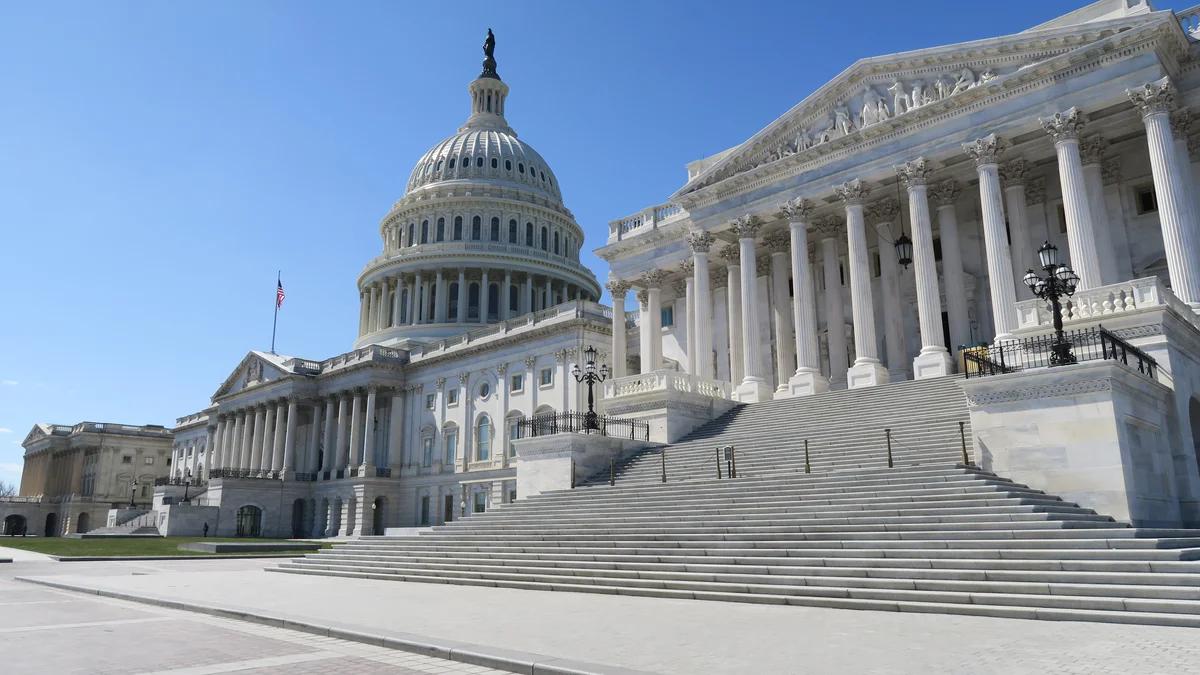
The true fortress of the American republic has never been concrete or steel. It has always been our civic cohesion: the unheralded social capital forged in volunteer firehouses, public libraries, town council chambers, local labor union halls, and community credit unions. When a democratic society invests in its people—guaranteeing universal access to clean water, reliable healthcare, and honest, local investigative journalism—it builds an impenetrable social immune system that no foreign disinformation campaign or economic embargo can ever compromise.
The Great Renewal of the Republic
The road ahead requires profound moral clarity and sustained political courage. We must resist the siren songs of both isolationist retreat and reckless corporate neo-liberalism. By anchoring our national purpose in the hard, noble work of domestic renewal—re-industrializing our heartlands, securing our energy sovereignty, and fiercely defending our shared democratic institutions—the United States can demonstrate to a fractured world that a free, pluralistic democracy remains the most durable, resilient, and glorious human experiment ever conceived.