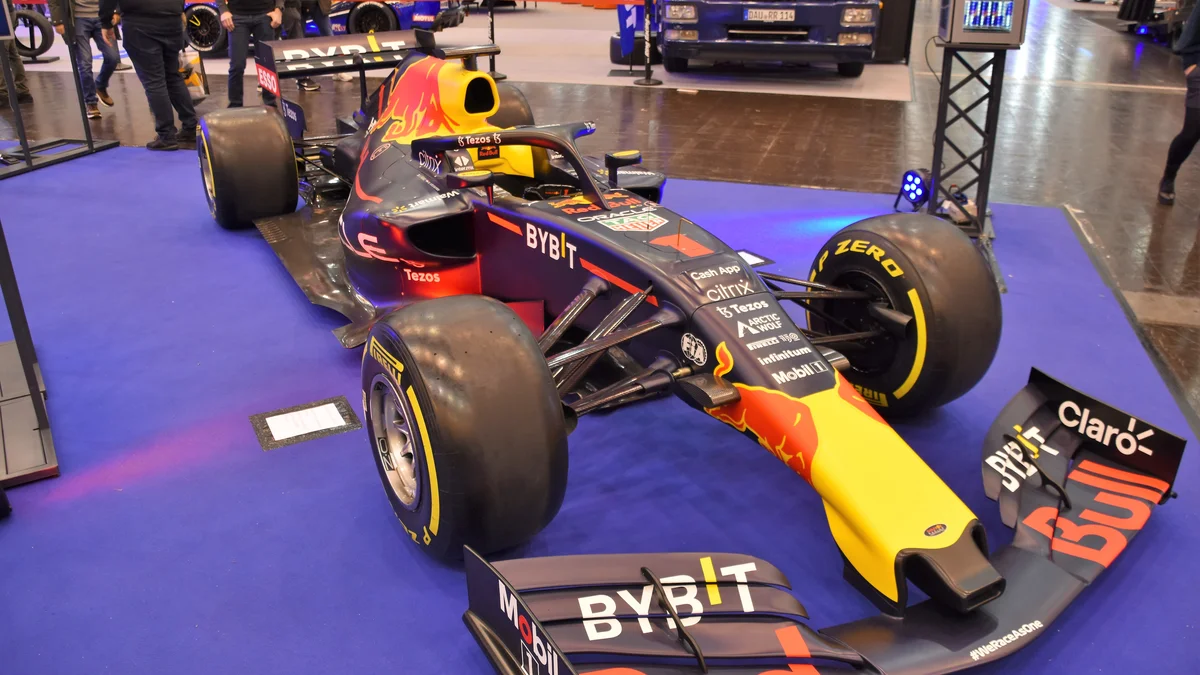
The Fédération Internationale de l'Automobile (FIA) and Formula 1 management officially ratified the finalized technical and financial regulations for the 2027 Grand Prix World Championship on Monday following a unanimous vote of the World Motor Sport Council in Geneva. The landmark technical blueprint represents the most profound environmental and engineering transformation in the seventy-six-year history of elite motorsport, mandating that every competing car utilize 100 percent fossil-free, drop-in synthetic sustainable fuels while nearly tripling electrical hybrid power output.
The 50/50 Internal Combustion and Electrical Synthesis
The centerpiece of the 2027 power unit regulations is an aggressive rebalancing between the 1.6-liter turbocharged internal combustion engine (ICE) and the onboard electrical Kinetic Energy Recovery System (MGU-K). While current generation cars generate approximately 120 kilowatts of electrical assist, the 2027 power units will surge electrical output to an immense 350 kilowatts (nearly 470 horsepower), creating an exact 50/50 power equilibrium between chemical fuel combustion and battery discharge.
To eliminate prohibitive research and development expenditures and promote wheel-to-wheel overtaking, the complex Motor Generator Unit-Heat (MGU-H)—which harvested thermal exhaust energy—has been permanently scrapped from the engine architecture. The streamlined design significantly reduces vehicle curb weight, lowers power unit manufacturing costs, and produces a raw, visceral acoustic roar reminiscent of classic Formula 1 eras that drivers and fans have fiercely campaigned to revive.
Drop-In Circular Synthetic E-Fuels at 100% Purity
"Formula 1 has always been the crucible where extreme engineering innovations are forged and perfected before transforming the consumer road cars of tomorrow," announced Formula 1 President and CEO Stefano Domenicali. "By requiring a fuel that is one hundred percent drop-in sustainable, created either through direct-air carbon capture or non-food municipal biowaste, we are proving that internal combustion engines can achieve absolute carbon neutrality without abandoning the emotional thrill of racing."
The certified fuels, developed in partnership with global energy giants Aramco, Shell, and ExxonMobil, are completely net-zero: the carbon dioxide released through the vehicle's exhaust during a Grand Prix race exactly equals the volume of atmospheric CO2 captured during the fuel's chemical synthesis. Crucially, because these synthetic e-fuels possess identical chemical combustion properties to conventional high-octane gasoline, the technology can be deployed immediately into the existing global fleet of 1.4 billion internal combustion road vehicles without requiring engine modifications or new distribution pipelines.
Automotive Giants Commit to the 2027 Grid
The regulatory clarity has catalyzed historic manufacturer participation. Six global automotive powerhouses—Ferrari, Mercedes-AMG, Red Bull Ford Powertrains, Audi, Honda, and Cadillac/Alpine—have formally registered as certified power unit manufacturers for the 2027 season, representing the largest manufacturer presence in Formula 1 history. The new regulations also introduce active aerodynamics on both front and rear wings, allowing cars to switch between low-drag straightaway modes and high-downforce cornering modes automatically.
Pre-season dyno testing across engine facilities in Maranello, Brixworth, and Milton Keynes confirmed that prototype 2027 power units are already exceeding 1,020 total horsepower with zero net fossil emissions. As the sport prepares for its final year under current regulations in 2026, Formula 1 has decisively positioned itself as the indispensable global pioneer of sustainable high-performance technology.