U.S. Growth Slows as Immigration Crackdown Impacts Population
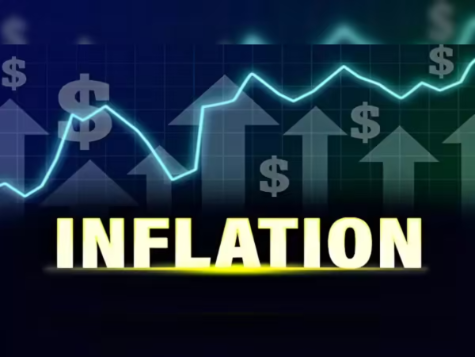
Stricter immigration enforcement is weighing on U.S. population growth, raising concerns about long-term economic expansion, labor supply, and consumer demand.
According to recent demographic and economic statistics, greater immigration enforcement is contributing to slower population expansion, which is straining U.S. economic growth. Reduced population growth may have long-term effects for labor markets, productivity, and the general momentum of the economy in the years to come, according to economists. According to recent data, immigration has been a major factor in the notable slowdown in the United States' population growth. Immigration has historically helped counteract natural population growth, which has been dropping for years due to reduced birth rates. However, that margin has been reduced by recent policy revisions and more stringent enforcement. Pressures from the Labor Market One of the most direct areas of influence, according to economists, is the job market. Tighter hiring practices are already being reported by sectors like construction, hospitality, healthcare, and agriculture that depend significantly on foreign labor. Companies in these industries claim that a lack of workers is increasing expenses, postponing projects, and restricting plans for growth. Although workers may gain from increased salaries, researchers warn that ongoing labor shortages may reduce productivity and raise consumer costs. The competition for a limited number of staff is particularly difficult for smaller companies. Productivity and Economic Growth Long-term economic growth is significantly influenced by population growth, which also affects investment, housing activity, and consumer demand. Potential workers and consumers are diminished by slower population expansion, which stifles overall growth opportunities. According to economists, even slight shifts in demographic patterns have the potential to accumulate over time and have an impact on fiscal stability and GDP growth. Sustained immigration restrictions might lower U.S. economic growth by tenths of a percentage point every year, according to several academic institutions. That slowdown could result in much lower national output over a ten-year period. Sectoral and Regional Impacts Slower population growth has different effects in different parts of the nation. The labor force growth in states and cities that have historically drawn immigrants is slowing down more sharply. On the other hand, economies that are more diverse have been somewhat better protected. Global talent is still drawn to technology companies and highly skilled industries, but hiring has become more challenging due to policy uncertainties and visa limitations. Business executives contend that keeping the United States competitive in industries driven by innovation depends on having access to skilled labor. Policy Discussion Gets More Intense Immigration policy's effects on the economy have sparked fresh discussion in Washington. Reducing immigration, according to proponents of tougher enforcement, safeguards domestic workers and improves border security. Critics argue that, particularly as the U.S. population ages and workforce participation declines, the economic costs might exceed the benefits. Particularly in industries with severe shortages, some lawmakers have asked for specific measures that strike a balance between increased legal avenues for workers and enforcement. Others support more comprehensive immigration reform, highlighting the contribution of immigrants to innovation and economic growth. Worldwide Context The difficulties that other developed economies confront as a result of aging populations and slower labor growth are reflected in the U.S. experience. The urgency of the policy discussion in the United States has increased since nations with more liberal immigration laws have occasionally been able to counteract demographic decline more successfully. Considering the Future According to economists, a mix of labor force participation, productivity increases, and policy decisions will determine future growth. The majority of economists concur that immigration is still essential to long-term economic viability, even though automation and technological advancement may assist fill some labor shortages. Businesses and municipal governments continue to adjust to a shifting demographic picture as officials balance enforcement agendas against economic realities. The U.S. economy will probably be shaped by the choices taken in the upcoming years long after the current cycle is over.

Daniel Morris is an investigative journalist covering politics, finance, and corporate accountability. His reporting emphasizes fact-checking, transparency, and long-form analysis. Daniel,s work aims to provide readers with context beyond the headlines.
WHAT'S HOT


CATEGORIES

Business
7 Articles

Finance
9 Articles
Technology
14 Articles
Politics
7 Articles

Lifestyle
7 Articles