Policy Debate Intensifies as U.S. Growth Signals Turn Mixed
Mixed economic signals from the U.S. have intensified policy debates, with lawmakers and economists weighing growth prospects, fiscal measures, and monetary policy strategies.
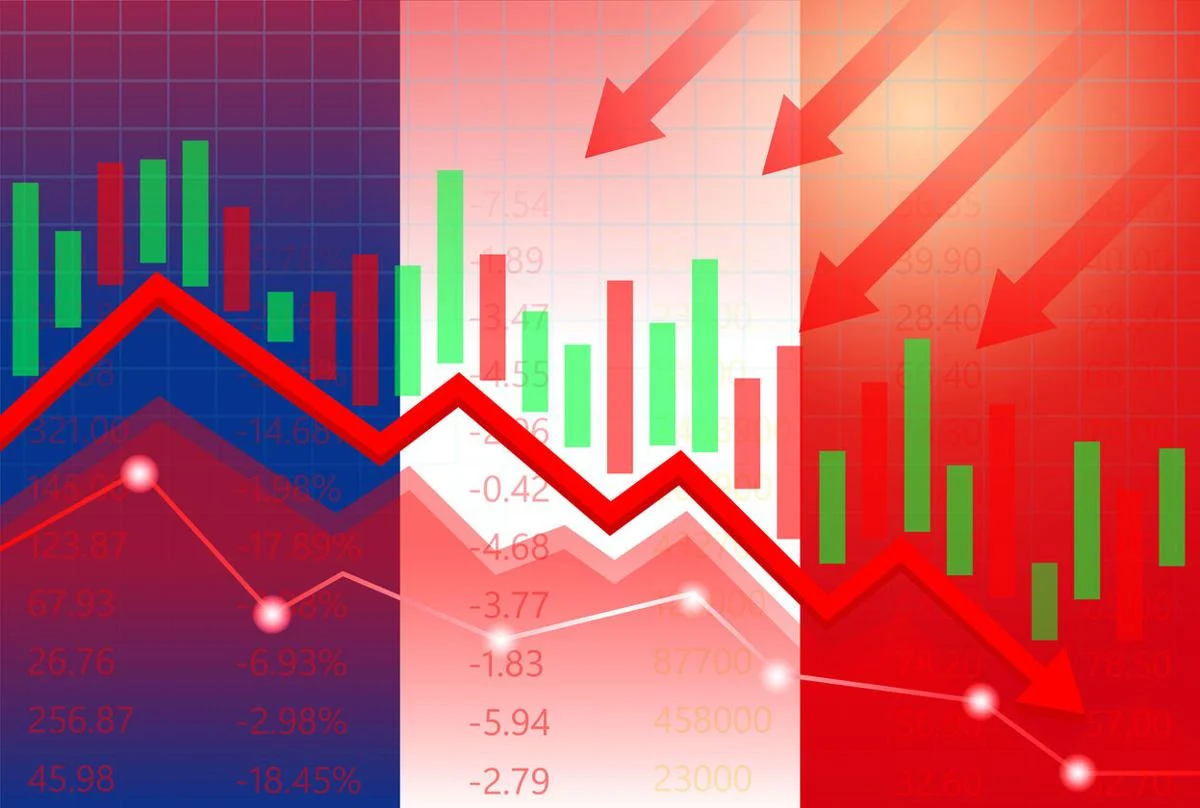
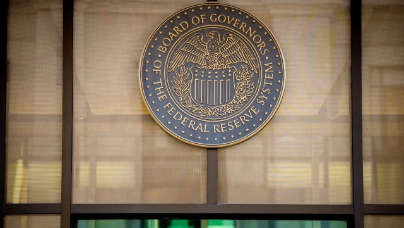
Policymakers in Washington are facing renewed discussion as contradictory economic data from the United States signals a difficult growth outlook. While some sectors are still growing, recent data indicate that overall momentum is decreasing, which is igniting debate regarding monetary advice, fiscal policy, and strategic actions. Economic Indications Fueling the Discussion A complex picture of the U.S. economy is presented by key indicators, such as data on inflation, employment trends, and sluggish GDP growth. While manufacturing and export-oriented businesses encounter challenges, other sectors, like technology and services, continue to demonstrate resilience. Lawmakers, economists, and industry executives are interpreting these contradictory signals differently, leading to heightened discussions on appropriate policy responses. Some demand for ongoing fiscal stimulus to stimulate growth, while others advocate for calibrated prudence to prevent overheating or increase inflationary pressures. Monetary Policy Considerations The Federal Reserve’s stance on interest rates remains important to the debate. Questions about whether rate hikes would be required in the near future or whether the Fed may continue to take a cautious stance to support the ongoing recovery have been raised by mixed economic indications. In order to make choices about interest rate changes and quantitative measures, investors and policymakers are attentively observing the next inflation and employment statistics. Fiscal Policy and Legislative Responses Budgetary allocations, infrastructure expenditure, and possible tax incentives to promote growth have been the main topics of discussion in Congress. Diverging views on government involvement reflect broader political splits, with arguments intensifying over the magnitude and scope of fiscal action. While some legislators emphasize focused investment in important industries, others caution that excessive spending may jeopardize long-term economic stability. Business and Market Implications Businesses are responding to the uncertainty by changing investment plans, recruiting methods, and capital expenditures. As traders factor in the possible effects of monetary and legislative actions, financial markets have responded to policy talks by becoming more volatile in terms of stocks, bonds, and currencies. Investor mood remains cautious, with risk assets experiencing volatility while safe-haven assets, such as gold and U.S. Treasury securities, have received more attention. Analysts argue that market behavior reflects the issue of reconciling optimism about long-term growth with short-term uncertainty. Worldwide Effects The varied U.S. growth signals are not only impacting domestic policy debates but also molding international opinions. commerce partners and worldwide investors actively follow U.S. economic health, as fluctuations in growth trajectories affect global commerce, capital flows, and currency markets. In conclusion As economic data continues to convey contradictory messages, policy battles in Washington are expected to stay fierce. It will be difficult for lawmakers, corporate executives, and financial market players to strike a balance between promoting growth, containing inflation, and maintaining fiscal discipline. The result of these arguments will have far-reaching ramifications, both locally and worldwide, as the U.S. economy enters into a phase of measured but uncertain expansion.


Daniel Morris is an investigative journalist covering politics, finance, and corporate accountability. His reporting emphasizes fact-checking, transparency, and long-form analysis. Daniel,s work aims to provide readers with context beyond the headlines.
WHAT'S HOT



CATEGORIES

Business
7 Articles

Finance
9 Articles

Technology
14 Articles

Politics
7 Articles

Lifestyle
7 Articles