Measles Outbreak Expands in South Carolina With Nearly 800 Cases
South Carolina health officials are responding to a rapidly growing measles outbreak, with nearly 800 confirmed cases raising concerns over vaccination gaps and public health readiness.
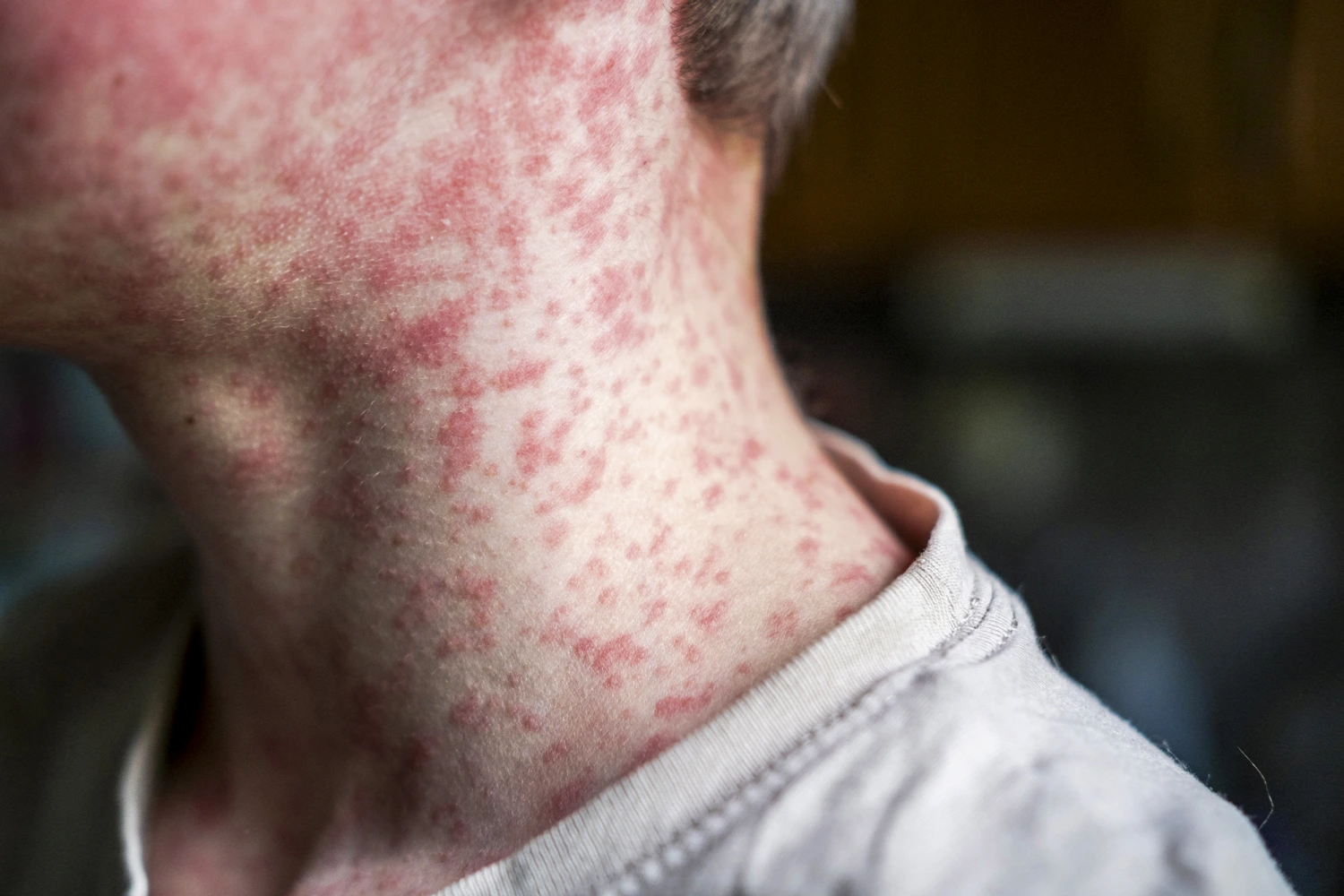
With almost 800 cases confirmed statewide, South Carolina is experiencing one of its worst measles outbreaks in decades, according to health officials. In an effort to stop the highly contagious illness from spreading further, authorities have issued urgent public health warnings in response to the spike. The South Carolina Department of Health reports that instances have increased gradually in recent weeks, impacting several counties and taxing regional healthcare systems. Increased person-to-person contact and low vaccination rates in some communities are the main causes of the outbreak, according to public health officials. Response of Public Health In addition to increasing contact tracing operations and expanding vaccination clinics, state and municipal health organizations have also released recommendations encouraging citizens to verify their immunization status. In order to minimize transmission within healthcare settings, hospitals and clinics have been encouraged to isolate suspected cases as soon as possible. Measles spreads through respiratory droplets and can remain airborne for hours, making containment particularly challenging. Health experts warn that unvaccinated individuals are at the highest risk, especially children, pregnant women, and those with weakened immune systems. Effects on Communities and Schools As a precaution, a number of school districts have announced interim closures or switches to virtual learning. If exposure is suspected, parents are advised to keep unvaccinated children at home. In order to prevent big crowds, community events in the impacted areas have also been canceled or postponed. Because measles may cause dangerous complications including pneumonia and encephalitis, local officials believe the outbreak has increased fear among educators and families. Health officials emphasize that vaccination is still the best defense, even though the majority of patients recover. Issues with Vaccinations The outbreak has reignited discussions about public health policies and vaccine reluctance. According to state data, vaccination rates have decreased recently in some areas, making certain groups of people more susceptible to diseases that can be avoided. The measles, mumps, and rubella (MMR) vaccine is safe and very effective, according to medical experts. According to the Centers for Disease Control and Prevention, two doses of the vaccine provide strong, long-term protection against measles. Response of the Government and Experts Residents have been urged by state officials to rely on reliable medical information and adhere to public health recommendations. Healthcare professionals caution that outbreaks like this could become more common nationwide in the absence of greater vaccination uptake. Some lawmakers have urged renewed investment in public health infrastructure and education campaigns to address misinformation and improve vaccination coverage. Others have underlined how crucial community collaboration is to controlling the outbreak. National Context The outbreak in South Carolina coincides with a nationwide increase in measles infections, which has national health officials alarmed. The recurrence of a disease that was once thought to be virtually eradicated in the United States has been attributed, according to public health experts, to decreased vaccination rates and travel abroad. Containment, according to health professionals, will rely on quick vaccination campaigns, early detection, and public adherence to health advice. Authorities warn that the outbreak is not yet under control, even though case growth has appeared to be decreasing in some locations. The incident serves as a reminder of the value of vaccination and readiness in preserving public health as South Carolina continues its response. Residents are urged by officials to take preventive measures seriously and to consult a doctor if symptoms arise.




Daniel Morris is an investigative journalist covering politics, finance, and corporate accountability. His reporting emphasizes fact-checking, transparency, and long-form analysis. Daniel,s work aims to provide readers with context beyond the headlines.
WHAT'S HOT





CATEGORIES

Business
7 Articles

Finance
9 Articles

Technology
14 Articles

Politics
7 Articles

Lifestyle
7 Articles