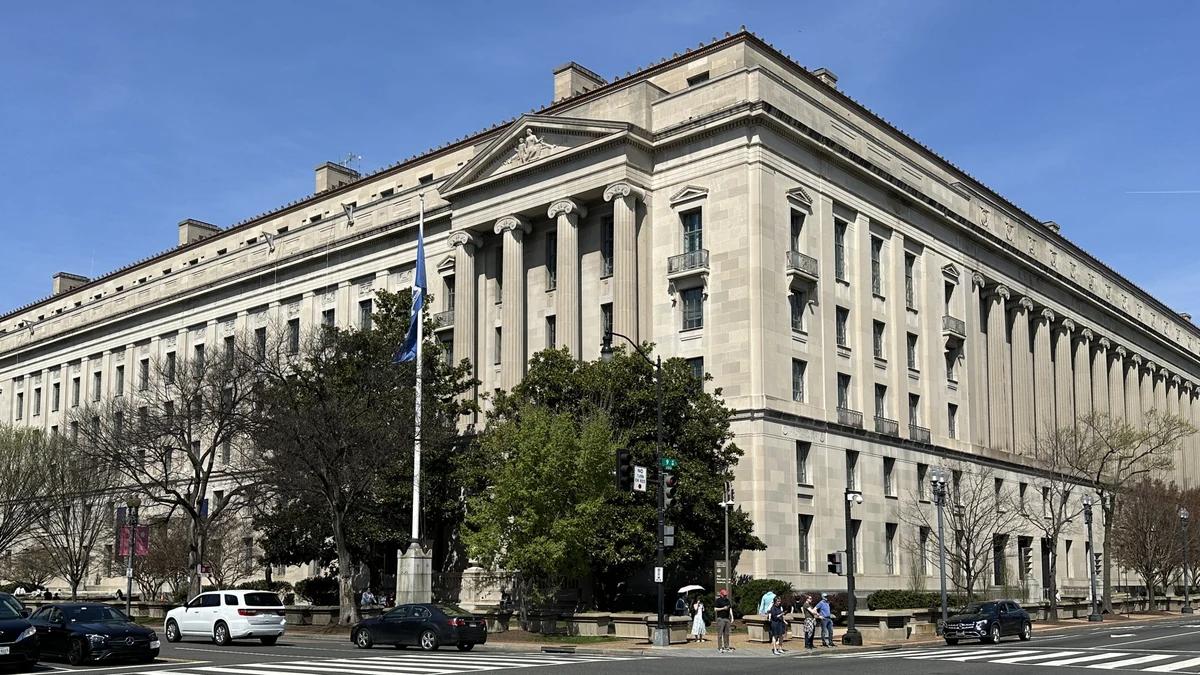
In one of the most sophisticated multinational law enforcement operations in cyber history, the United States Department of Justice, working in concert with the FBI, the Treasury Department, and allied agencies across five continents, announced the coordinated seizure of over $400 million in illicit cryptocurrency assets directly linked to state-sponsored North Korean hacking collectives.
Unsealed federal indictments in the U.S. District Court for the District of Columbia outlined how elite cyber units operating under Pyongyang's Reconnaissance General Bureau—notoriously known in cybersecurity circles as the Lazarus Group and APT38—orchestrated systematic intrusions into decentralized finance (DeFi) cross-chain bridges, international digital asset exchanges, and institutional custody vaults over the past twenty-four months.
Advanced Blockchain Tracing and Global Domain Freezes
Federal cyber investigators revealed that the North Korean network employed complex automated mixers, multi-hop peeling chains, and fraudulent software developer identities to obscure the origins of stolen digital assets. In a breakthrough offensive maneuver, federal agents secured court-authorized warrants to compromise the private cryptographic keys of secondary wash-trading nodes, effectively freezing digital wallets before illicit proceeds could be converted into fiat currency to fund ballistic missile and weapons programs.
Simultaneously, the Treasury Department's Office of Foreign Assets Control (OFAC) levied sweeping sanctions against twenty-four overseas shell companies, virtual asset service providers, and over-the-counter brokers operating across Southeast Asia and the Middle East that knowingly facilitated capital flight for North Korean operatives.
"Today's coordinated global enforcement action sends an unmistakable warning to state-backed cybercriminals: the Department of Justice will pursue you across the blockchain, seize your illicit wealth, and hold your enablers accountable regardless of the jurisdictional borders you hide behind," declared Assistant Attorney General for National Security Matthew Olsen during a joint departmental briefing.
Private Sector DeFi Protocols Face Mandatory Auditing Standards
The landmark seizure has accelerated calls in Washington for stringent federal oversight over decentralized protocol security. Congressional committees examining cybersecurity vulnerabilities have signaled plans to introduce legislation establishing mandatory zero-knowledge identity verification protocols for commercial liquidity pools and cross-chain bridges handling U.S. customer deposits.
Blockchain security firms praised the federal operation as evidence that on-chain transparency and sophisticated forensic analytics can outmaneuver even the most well-funded nation-state hackers. Leading industry analysts noted that while North Korean syndicates have stolen billions over the last five years, coordinated government seizures and real-time transaction blacklisting are dramatically reducing the monetization success rate of rogue cyber operations.