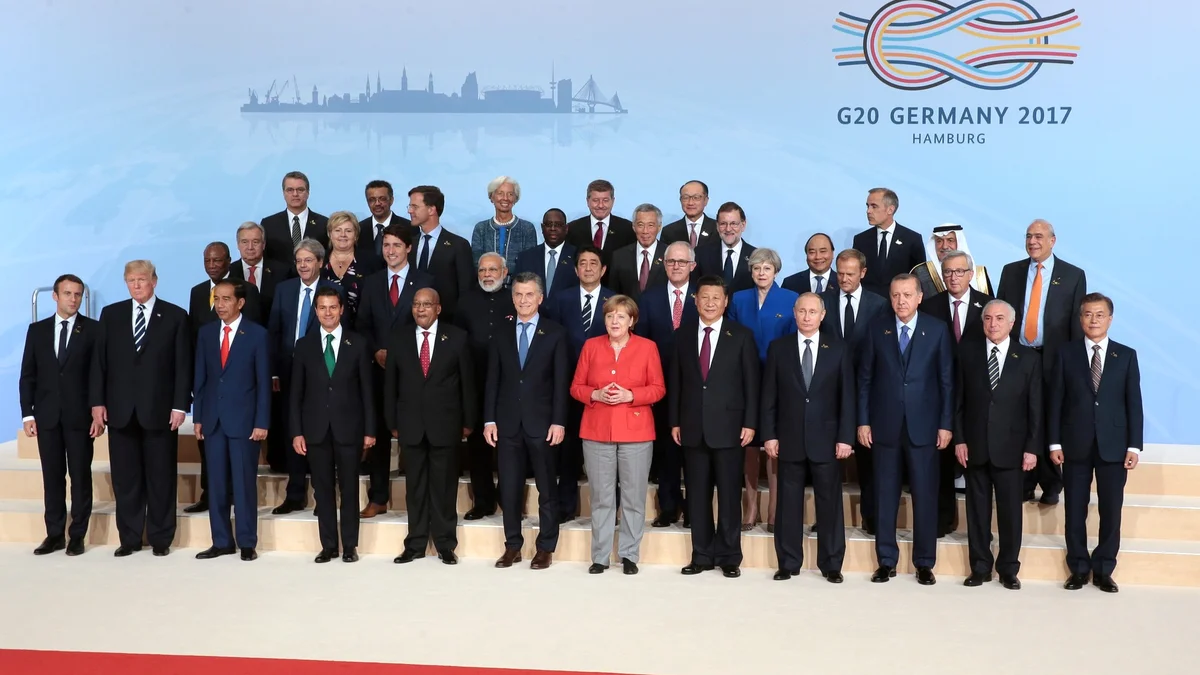
High-level diplomatic delegations representing the United States, major European allies, and Ukraine convened for an expanded third round of closed-door security negotiations in Abu Dhabi on Friday, intensifying efforts to construct a binding multilateral framework capable of ending active hostilities with the Russian Federation.
Hosted under the auspices of United Arab Emirates mediators, the diplomatic sessions have progressed from broad ceasefire discussions into granular deliberations over long-term territorial guarantees, demilitarized buffer zones, and enforceable international deterrence mechanisms. U.S. State Department officials affirmed that American envoys are consulting directly with Ukrainian leadership to ensure that any prospective agreement preserves Ukraine's sovereign independence and European integration path.
Key Pillars: Demilitarized Corridors and Multilateral Guarantees
Diplomatic sources familiar with the confidential draft proposals indicated that discussions center on three core pillars: establishing an internationally monitored demilitarized security corridor along front-line contact areas, formalizing economic reconstruction financing backed by frozen Russian sovereign assets held in Western clearinghouses, and securing legally binding mutual defense guarantees from a coalition of European and Western partner nations.
U.S. Secretary of State Marco Rubio, speaking following consultations with French and European counterparts in Paris, emphasized that Washington is committed to achieving durable peace rather than a temporary pause that allows adversarial forces to regroup. "A real settlement must provide undeniable security guarantees so that aggression cannot be repeated in five or ten years," Rubio remarked.
Diplomatic Channels Navigate Transition and Regional Complexities
The Abu Dhabi negotiations unfolded alongside sensitive diplomatic transitions following the sudden death of Russia's veteran ambassador to the United States earlier in the week. Despite logistical friction, intermediary communication lines between Washington and Moscow have remained active through back-channel envoys.
Middle Eastern and European geopolitical analysts noted that the UAE's role as a trusted neutral convener has proven vital for facilitating technical discussions on maritime navigation corridors in the Black Sea and energy export logistics. As plenary working groups continue their deliberations over the weekend, international observers caution that formalizing final treaty text will require arduous diplomatic consensus across allied capitals before any public heads-of-state summit is scheduled.