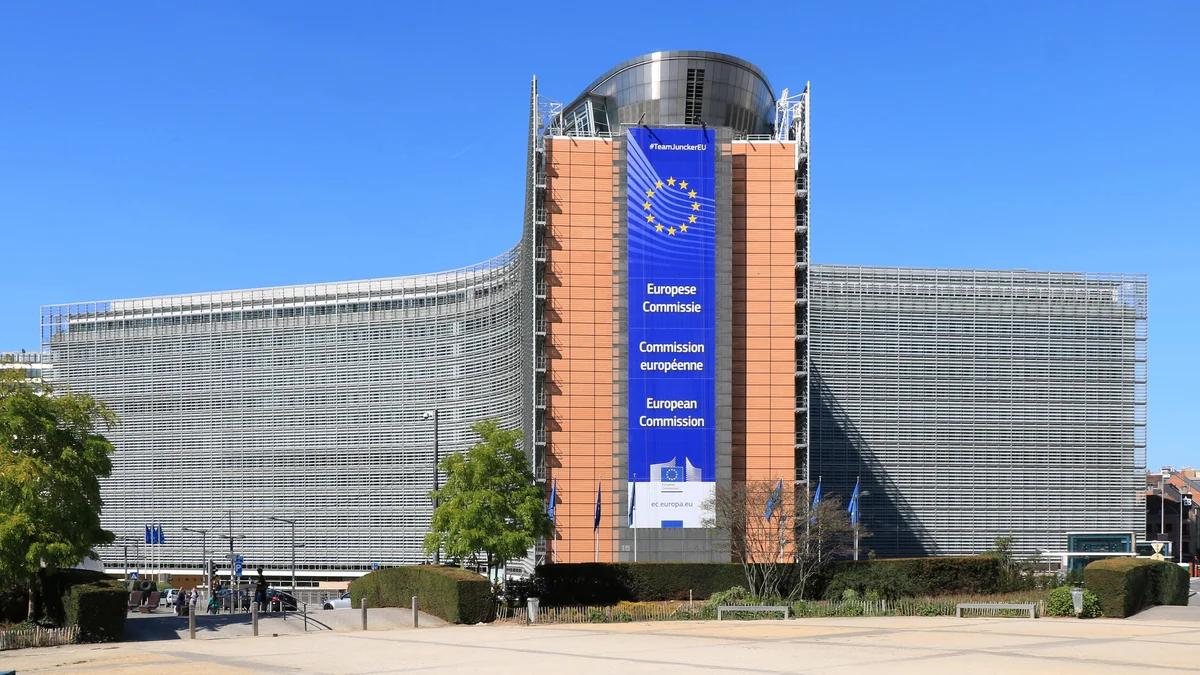
Following twenty-five years of tortuous diplomatic friction, intense agricultural protectionist debates, and fraught environmental negotiations, plenary representatives from the European Union and the Mercosur customs union—comprising Brazil, Argentina, Paraguay, and Uruguay—formally initialed the final text of a historic transcontinental trade treaty on Friday in Brussels. The comprehensive accord creates an integrated marketplace spanning more than 780 million consumers and governing over sixty billion dollars in annual bilateral trade volume.
Breaking the Quarter-Century Stalemate
The decisive breakthrough materialized following forty-eight hours of continuous marathon sessions inside the European Commission's Berlaymont headquarters, where German Chancellor Olaf Scholz and Brazilian President Luiz Inácio Lula da Silva personally intervened via high-level diplomatic teleconferences to overcome long-standing agricultural impasses. Under the agreed terms, the European Union will eliminate import tariffs on ninety-two percent of manufactured industrial goods and consumer technology exports heading to South America, while Mercosur producers will gain duty-free quotas for beef, poultry, ethanol, and specialty agricultural commodities entering the European single market over a phased ten-year implementation schedule.
"Today we dismantle one of the last major tariff walls dividing the Atlantic community," announced European Commission President Ursula von der Leyen during a joint press declaration alongside South American foreign ministers. "This agreement provides a robust, multilateral counterweight against emerging global fragmentation, anchoring our industrial supply chains in mutual trust, democratic governance, and sustainable commercial rules."
Groundbreaking Environmental Governance and Satellite Verification
The pivotal element that resolved years of parliamentary resistance across France, Ireland, and Austria was the inclusion of an unprecedented, legally binding sustainability annex. Unlike prior bilateral agreements that relied on voluntary environmental pledges, the Mercosur-EU accord establishes an objective, satellite-verified deforestation monitoring mechanism linked directly to commercial tariff concessions.
Utilizing high-resolution orbital surveillance from the European Space Agency's Copernicus satellite constellation and Brazil's National Institute for Space Research (INPE), customs authorities will enforce zero-tolerance embargoes on any agricultural shipments originating from land cleared after December 31, 2020. If verified sovereign deforestation rates in the Amazon Basin or the Gran Chaco biome exceed agreed benchmark thresholds, the treaty's dispute resolution organ is legally authorized to instantaneously snap back retaliatory tariffs across South American commodity quotas.
Economic Ramifications and Supply Chain Diversification
European automotive, chemical, and precision engineering sectors lauded the agreement, which will save European exporters approximately four billion euros in annual customs duties while securing preferential European access to South American reserves of lithium, copper, and rare-earth minerals essential for electrification and advanced manufacturing. Conversely, agricultural producer cooperatives across Europe received explicit safeguards, including a 1.2-billion-euro defensive adjustment fund designed to insulate family livestock farmers from sudden domestic market distortions.
The treaty text now transitions to the European Parliament and the national legislatures of the signatory nations for formal constitutional ratification. While vocal political factions in several EU member states have pledged intense parliamentary scrutiny, diplomatic observers broadly anticipate formal entry into legal force by late 2027, marking a monumental structural victory for open rules-based international trade.