United States consumer price inflation re-accelerated sharply in October, delivering a stinging surprise to financial markets and demolishing lingering hopes for near-term Federal Reserve monetary easing. The Department of Labor's Consumer Price Index (CPI) report revealed headline consumer prices advanced 0.4 percent month-over-month, pushing the twelve-month annualized inflation rate to 4.0 percent—its highest level in over eighteen months.
Crucially for central bank policymakers, core inflation—which excludes volatile food and energy expenditures—also exceeded consensus forecasts, rising 0.35 percent on a monthly basis and 3.8 percent year-over-year. Economists noted that inflationary pressures have broadened significantly beyond initial energy and transportation spikes triggered by Middle Eastern tensions, establishing persistent upward momentum across healthcare services, auto insurance, shelter, and commercial freight.
Futures Markets Fully Price in December Fed Rate Hike
The unexpectedly hot reading reverberated violently across global asset markets. Interest rate futures traded on the Chicago Mercantile Exchange (CME FedWatch) swung dramatically from anticipating a steady interest rate pause to pricing in an 88 percent probability of a 25-basis-point interest rate increase when the Federal Open Market Committee (FOMC) meets on December 9. Several prominent Wall Street fixed-income desks even began factoring in the outside risk of a 50-basis-point hike.
Benchmark 10-year U.S. Treasury yields surged sixteen basis points to cross 4.72 percent, while the 2-year yield—closely tied to immediate monetary policy expectations—leaped to 4.58 percent. Rising yields propelled the U.S. Dollar Index (DXY) to fresh eighteen-month highs against the euro and Japanese yen, placing severe downward pressure on dollar-denominated commodities, including crude oil and gold bullion.
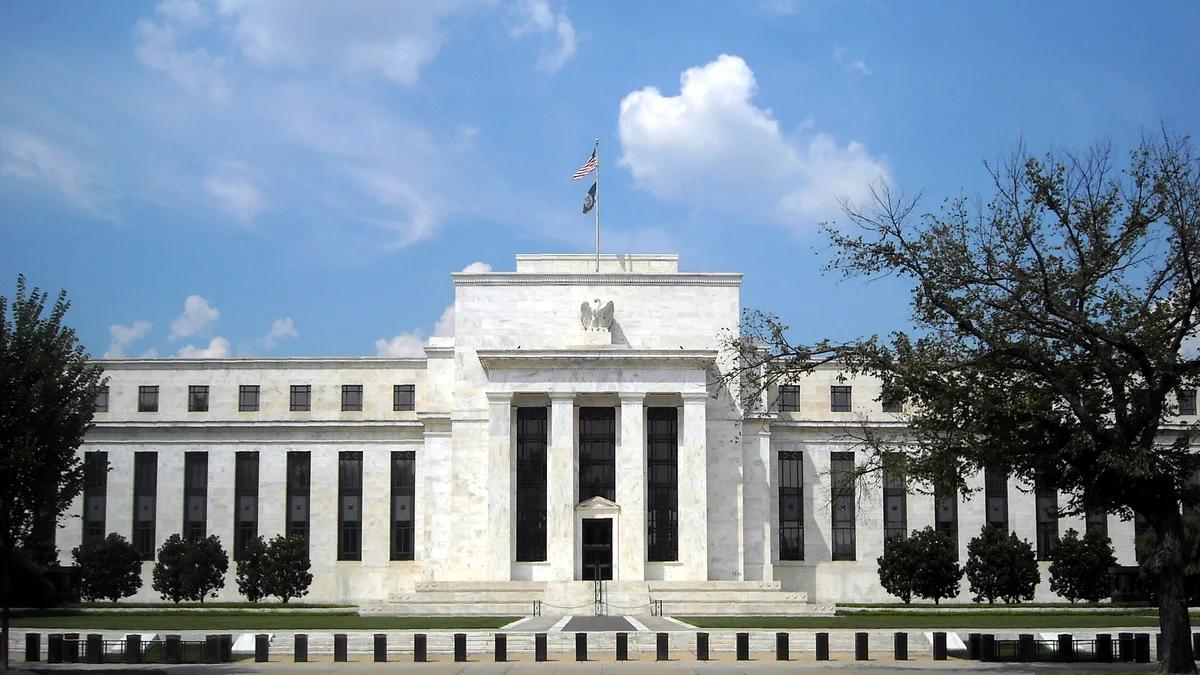
Federal Reserve Governor Michelle Bowman delivered remarks shortly after the data release, emphasizing that restoring price stability remains the central bank's non-negotiable priority. "Stubborn service-sector inflation and persistent wage pressures demonstrate that our policy posture must remain sufficiently restrictive," Bowman noted. "If incoming data indicates that inflation progress has stalled or reversed, the committee will not hesitate to adjust policy rates upward."
Corporate Earnings and Consumer Sentiment Face Double Squeeze
Equity markets absorbed the inflation shock with pronounced volatility. While mega-cap artificial intelligence infrastructure beneficiaries managed to cushion tech indices earlier in the week, rate-sensitive equities—including homebuilders, regional lenders, commercial real estate trusts, and small-cap indices—experienced widespread selling pressure.
Retail corporate executives warned that consumers are displaying heightened price sensitivity heading into the holiday shopping corridor. With credit card borrowing costs at multi-decade highs and personal savings buffers depleted, retail analysts caution that persistent consumer price inflation could temper discretionary fourth-quarter consumer spending, posing headwind risks for broader 2027 economic expansion.