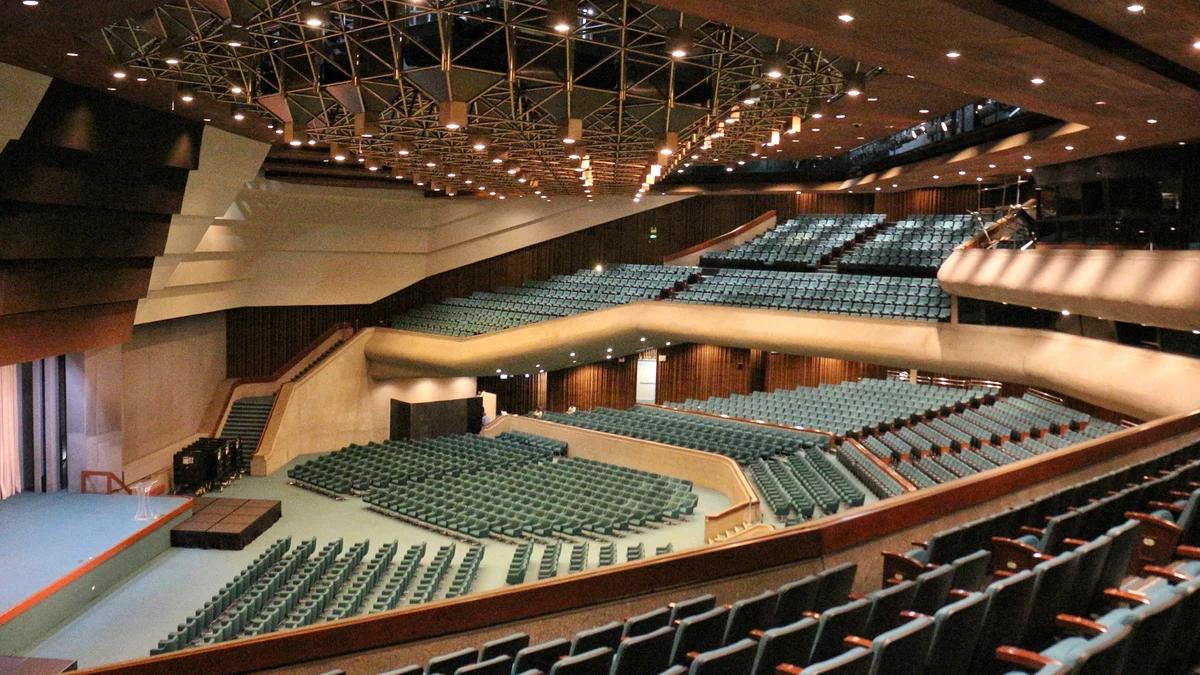
World leaders, foreign ministers, and economic delegations converged on the Philippine International Convention Center in Manila on Tuesday as the 47th ASEAN Summit and the East Asia Summit convened against a backdrop of complex geopolitical maneuvering across the vital maritime corridors of the Indo-Pacific region.
Philippine President Ferdinand Marcos Jr. officially opened the high-level multilateral forum by calling for reinforced adherence to international maritime law, specifically the 1982 United Nations Convention on the Law of the Sea (UNCLOS), while urging participating superpower delegations to maintain open communications and de-escalate maritime friction in the South China Sea.
A Convergence of Global Powers in Manila
The summit brought together top leadership from across the Association of Southeast Asian Nations alongside dialogue partners representing the United States, India, Japan, South Korea, Australia, and China. Discussions centered on establishing enforceable codes of conduct for naval encounters, expanding joint coast guard safety patrols, and safeguarding underwater telecommunications fiber-optic cables that carry over 95 percent of transpacific digital data.
Indian Prime Minister Narendra Modi, participating in the ASEAN-India framework, emphasized India's commitment to deepening maritime security ties, digital public infrastructure transfers, and sustainable blue economy investments across Southeast Asia. Meanwhile, high-level diplomatic contingents traveling with U.S. President Donald Trump held bilateral strategy sessions with regional partners to discuss supply chain diversification ahead of subsequent bilateral superpower talks.
"Peace, stability, and unimpeded freedom of commercial navigation through Southeast Asian waters are not regional luxuries—they are the indispensable foundation of global economic prosperity," President Marcos told assembly delegates. "No single nation can prosper if sea lanes are contested or trade corridors become instruments of geopolitical coercion."
Securing Critical Minerals and Resilient Semiconductor Corridors
Beyond maritime security protocols, the Manila summits yielded significant commercial and industrial pacts. Participating trade ministers announced the framework for an Indo-Pacific Critical Minerals Resilience Corridor, facilitating expedited trade in refined nickel, cobalt, and rare earth elements crucial for electric vehicles and renewable energy storage.
Southeast Asian economies, including the Philippines, Indonesia, Vietnam, and Malaysia, emphasized their transition from raw ore exporters to high-value processing and advanced semiconductor assembly hubs. Economists hailed the multilateral agreements as a vital stabilization mechanism, providing clear trade rules and investment protection across one of the most economically dynamic regions in the world.