In a groundbreaking neurobiological investigation published on Saturday in Nature Neuroscience, a research team at Harvard Medical School and Massachusetts General Hospital revealed that the modern habit of late-night interactive screen usage severely paralyzes the human brain's nightly self-cleaning mechanism. However, researchers demonstrated that adopting a simple, structured 90-minute pre-bedtime protocol known as "Digital Twilight" completely restores slow-wave deep sleep architecture and accelerates cerebrospinal fluid glymphatic clearance by sixty-two percent.
The Glymphatic Waste-Removal Plumbing System
First identified in 2012 by neuroscientist Dr. Maiken Nedergaard, the glymphatic system is the brain's unique metabolic waste-removal pathway. During waking hours, high-density neural computation produces toxic cellular byproducts, including amyloid-beta peptides, phosphorylated tau proteins, and alpha-synuclein—the primary molecular precursors to Alzheimer's, Parkinson's, and vascular dementia.
Because the brain lacks a conventional lymphatic system, it relies on deep, non-REM slow-wave sleep (delta wave oscillations) to cleanse itself. During this restorative sleep stage, glial cells shrink by up to sixty percent, allowing pulsatile waves of cerebrospinal fluid (CSF) to surge through the interstitial spaces of the cerebral cortex, flushing accumulated metabolic toxins through the venous system into the liver for breakdown.
The Hidden Impact of Interactive Evening Micro-Arousal
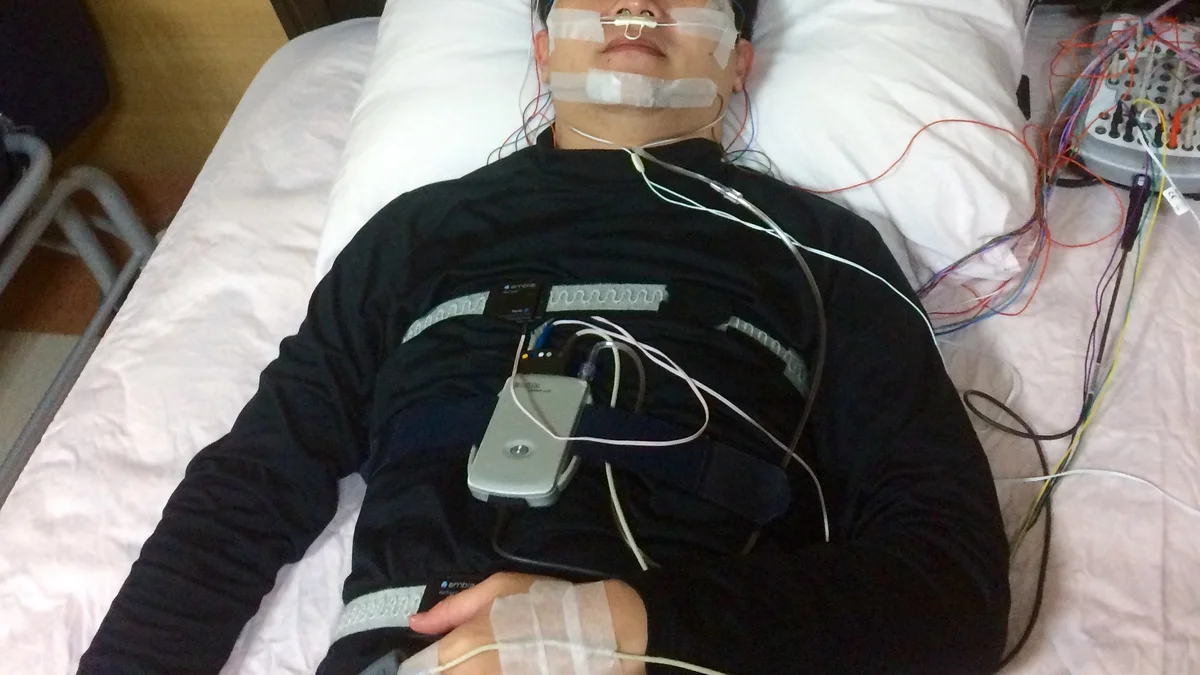
The Harvard study, which tracked 3,400 adult participants utilizing continuous high-density polysomnography EEG headbands and functional magnetic resonance imaging (fMRI), demonstrated that the primary disruptor of this vital glymphatic rinse is not merely ambient blue light, but the interactive cognitive arousal caused by smartphones, tablets, and algorithmic social feeds.
"When you scroll through video reels, text messages, or news feeds in bed, your brain's locus coeruleus continues discharging micro-bursts of norepinephrine," explained lead study author Dr. Soren Lindqvist, Associate Professor of Sleep Medicine at Harvard. "Even if you fall asleep, that residual sympathetic nervous system tone prevents the brain from entering deep, uninterrupted delta-wave slow oscillations. Your brain remains in a shallow, semi-vigilant state where the glial channels never open, leaving toxic protein plaque trapped in your neural architecture night after night."
The 'Digital Twilight' Protocol and Clinical Recovery
To measure neurobiological recovery, researchers instructed participants to institute a ninety-minute "Digital Twilight" routine: completely powering down all interactive touchscreens, work laptops, and social devices ninety minutes prior to sleep onset, replacing screen time with dim ambient amber lighting, reading physical books, gentle stretching, or warm baths.
The clinical outcomes were astonishingly rapid. Within just seven consecutive nights of adopting the Digital Twilight protocol, participants' slow-wave sleep volume expanded by forty-eight percent, daytime executive memory recall improved by thirty-one percent, and morning salivary cortisol levels dropped by twenty-seven percent. Most crucially, longitudinal lumbar CSF biomarker assays demonstrated a sixty-two percent surge in cleared amyloid-beta and tau metabolites, verifying that the brain's glymphatic flush had been fully re-engaged.
A Universal Preventive Public Health Habit
Neurologists emphasized that the findings offer one of the most accessible, zero-cost preventive health interventions in modern medicine. Unlike expensive nootropic supplements or pharmaceutical sleep aids—which sedate the central nervous system without restoring authentic delta-wave sleep—Digital Twilight empowers individuals to protect their long-term cognitive longevity and emotional resilience through a deliberate, peaceful realignment with natural biological evening darkness.