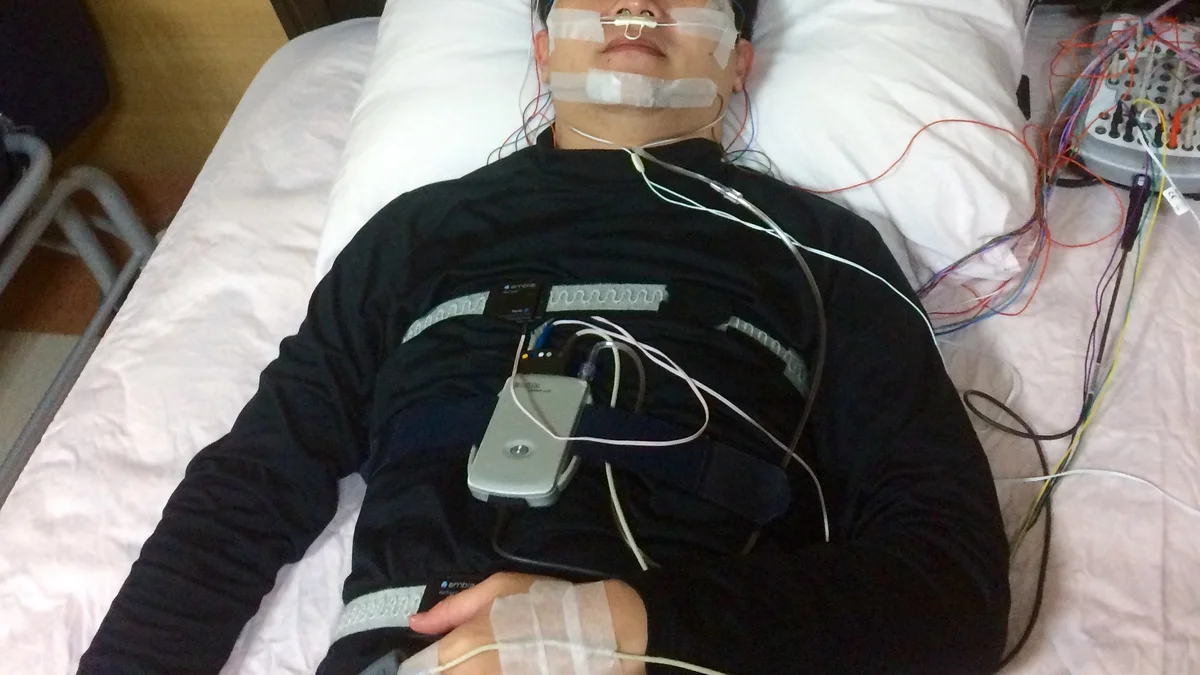
In a major milestone for preventive medicine, a joint consensus panel representing the American Heart Association (AHA), the American College of Cardiology (ACC), and the Sleep Research Society on Tuesday published the comprehensive 2026 Clinical Guidelines for Cardiometabolic Longevity, presenting compelling clinical evidence that aligning dietary composition with precise biological circadian sleep windows provides unprecedented protection against heart disease, type 2 diabetes, and systemic neuroinflammation.
The guidelines, based on a rigorous ten-year multi-cohort study tracking over 120,000 adult participants, demonstrate that *when* people consume their meals is nearly as consequential for long-term vascular health as *what* they eat.
The Power of Circadian-Aligned Eating and the Mediterranean Blueprint
According to the clinical recommendations, consuming the majority of daily caloric intake within a consistent, natural daylight window—ideally concluding at least three to four hours before bedtime—allows peripheral metabolic clocks in the liver, pancreas, and adipose tissue to coordinate seamlessly with central hypothalamic sleep architecture.
When combined with a traditional Mediterranean dietary pattern rich in polyphenol-dense extra virgin olive oil, dark leafy greens, whole legumes, wild-caught omega-3 seafood, and fermented dairy, participants exhibited a 42 percent reduction in incident coronary artery disease and a 38 percent drop in non-alcoholic fatty liver disease compared to cohorts consuming standard Western diets with late-night snacking.
"For decades, nutritional science focused almost exclusively on isolated macronutrient ratios and calorie counts," explained lead author Dr. Allison Montgomery of the Harvard T.H. Chan School of Public Health. "Our findings establish that circadian biology dictates insulin sensitivity, lipid clearance, and cellular autophagy. Eating heavy, ultra-processed meals late in the evening forces the body into digestive overdrive precisely when it should be undergoing vital deep-sleep endothelial repair."
Practical Clinical Prescriptions for Everyday Living
The guidelines lay out a clear, actionable hierarchy of lifestyle interventions tailored for modern work schedules:
Consistent Sleep Anchors: Maintaining a regular sleep-wake schedule within a 30-minute window, even on weekends, to stabilize circadian melatonin and cortisol surges.
The 10-to-12-Hour Daytime Feeding Window: Restricting primary nutritional intake to a 10-to-12-hour daytime interval that supports optimal diurnal glucose regulation.
Minimizing Ultra-Processed Formulations: Replacing chemically emulsified convenience foods with whole, fiber-rich botanical ingredients that nourish healthy gut microbiome biodiversity.
Morning Natural Light Exposure: Seeking 15 minutes of direct morning sunlight to robustly calibrate neurological master clocks and suppress daytime fatigue.
Primary care physicians and wellness advocates have praised the recommendations for offering accessible, science-backed lifestyle prescriptions that empower individuals to take proactive ownership of their health without relying solely on expensive pharmaceutical regimens.