Following high-profile software disruptions that temporarily paralyzed flight dispatch routines and crew tracking networks at major commercial carriers earlier this week, aviation tech regulators and leading airline Chief Information Officers have initiated an industry-wide overhaul of operational software architectures, transitioning away from monolithic dispatch mainframes to distributed, zero-downtime cloud microservices.
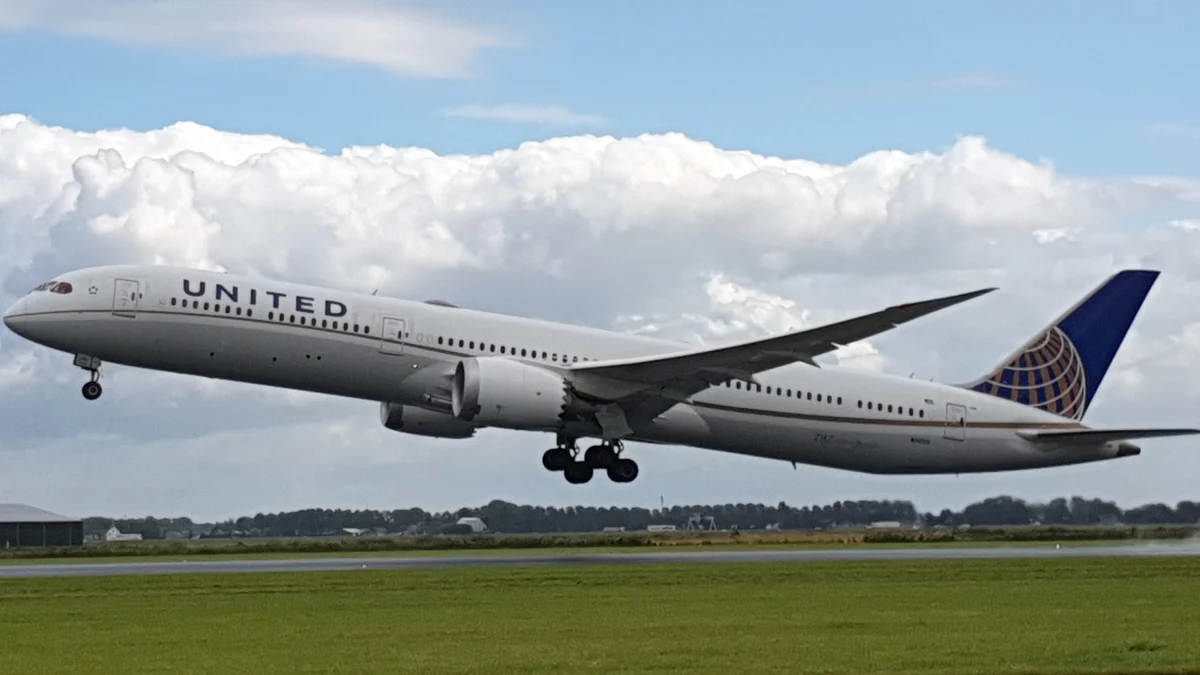
The swift operational recovery demonstrated by carriers like United Airlines—which successfully resolved a transient communications software glitch on Monday without experiencing catastrophic multi-day meltdown cycles—has highlighted both the progress made and the vulnerabilities that persist in modern aviation software ecosystems.
From Monolithic Legacy Engines to Edge-Resilient Microservices
For decades, commercial aviation relied on centralized reservation and dispatch architectures originally conceived in the 1970s and 1980s. While modernized with web interfaces, many core crew management, weight-and-balance calculations, and electronic flight bag (EFB) synchronization engines remained dependent on single relational database instances that could create systemic bottlenecks during unexpected network spikes.
Under new technical guidelines finalized by the FAA's Aerospace Software Modernization Taskforce in collaboration with IEEE aerospace engineers, airlines are rapidly decomposing these critical software stacks into containerized, multi-cloud architectures. If an airline's central crew rescheduling portal experiences high latency or database locks, aircraft dispatch, weight-and-balance clearance, and digital flight release documents can continue to process autonomously at individual airport edge nodes.
"Commercial aviation cannot afford single points of failure, whether physical or digital," explained Dr. Kenneth Chen, lead enterprise architect at the Center for Aviation Cybersecurity. "The modern standard demands that every aircraft, gate terminal, and dispatch center possesses local cryptographic caching capabilities capable of operating through extended wide-area network partitions."
AI-Assisted Weather Rerouting and Autonomous Gate Logistics
Beyond structural fault tolerance, the software transformation is integrating advanced artificial intelligence routines into real-time operational control centers (OCCs). Newly deployed algorithms analyze high-resolution Doppler radar, upper-atmospheric turbulence maps, and real-time gate occupancy data to dynamically reroute aircraft hours before congestive delays cascade through hub airports.
Pilot unions and flight dispatcher associations have largely endorsed the software upgrades, noting that automated digital tooling reduces cockpit administrative workload during high-stress adverse weather diversions. As the aviation sector prepares for record holiday travel volumes, software developers emphasize that relentless stress-testing, automated regression audits, and immutable distributed ledgers will define the next frontier of aerospace reliability.