Health Insurers Drag Dow, but S&P 500 Hits New Record
U.S. stocks ended mixed as health insurers pulled the Dow lower, while strength in technology and consumer shares pushed the S&P 500 to a fresh record.
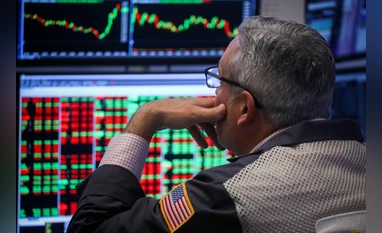
The Dow Jones Industrial Average fell as a result of losses in health insurance firms, while the S&P 500 reached a new all-time high due to broader market resilience. The discussion emphasized how broader investor confidence across US markets can coexist with challenges particular to a given sector. As investors responded to worries about growing medical expenses, unclear reimbursement, and possible regulatory scrutiny, health insurers faced significant pressure. The Dow, which has a greater exposure to defensive and traditional equities than broader indices, was significantly impacted by the drops reported by a number of significant insurers. The general tone of the market remained positive in spite of that flaw. Gains in technology, consumer discretionary, and industrial shares helped the S&P 500 reach a record close. Investors seemed prepared to overlook healthcare-related issues in favor of stable economic conditions and strong company profits. Once more, technology stocks were a major factor in the market's momentum. Capital continued to be drawn in by the strong demand for digital platforms, cloud services, and infrastructure connected to artificial intelligence, which helped offset losses elsewhere. Signs that household spending is stable despite the slow easing of price pressures also helped consumer-focused businesses. Recent economic data was cited by market participants as a major determinant of attitude. The Federal Reserve may not pursue aggressive policy tightening in the foreseeable future, according to inflation readings that have showed moderation. Investors seem more certain that borrowing costs are stabilizing, providing respite to growth-oriented industries even though interest rates are still high. This cautious optimism was echoed in bond markets. The slight change in U.S. Treasury yields indicates that fixed-income investors are changing their holdings rather than completely selling riskier assets. The US dollar remained stable compared to other major currencies during the day, indicating that there was no significant change in global capital movements. Sector rotation is a larger pattern in U.S. markets that is highlighted by the difference between the Dow and the S&P 500. Investors are reducing their exposure to sectors dealing with regulatory or cost-related challenges while carefully reallocating capital toward sectors with better earnings visibility and long-term growth prospects. The performance of Wall Street served as a model for international markets. The strength of U.S. stocks helped European stocks close largely higher, while Asian markets produced a range of outcomes as regional investors weighed optimism against regional economic concerns. Perceptions of the U.S. market's resilience during a period of uneven global development were strengthened by the S&P 500's record high. Analysts predict that company earnings releases, Federal Reserve commentary, and incoming economic data will all continue to influence market direction in the future. While broader indexes indicate that investor confidence in the U.S. economy is still intact, healthcare equities may continue to see pressure in the near future. For the time being, the session was a reminder that changes in the headline index frequently conceal more significant changes that are occurring below the surface. Record levels can be reached even when one industry struggles because other sectors can push markets higher.



Daniel Morris is an investigative journalist covering politics, finance, and corporate accountability. His reporting emphasizes fact-checking, transparency, and long-form analysis. Daniel,s work aims to provide readers with context beyond the headlines.
WHAT'S HOT






CATEGORIES

Business
7 Articles

Finance
9 Articles

Technology
14 Articles

Politics
7 Articles

Lifestyle
7 Articles