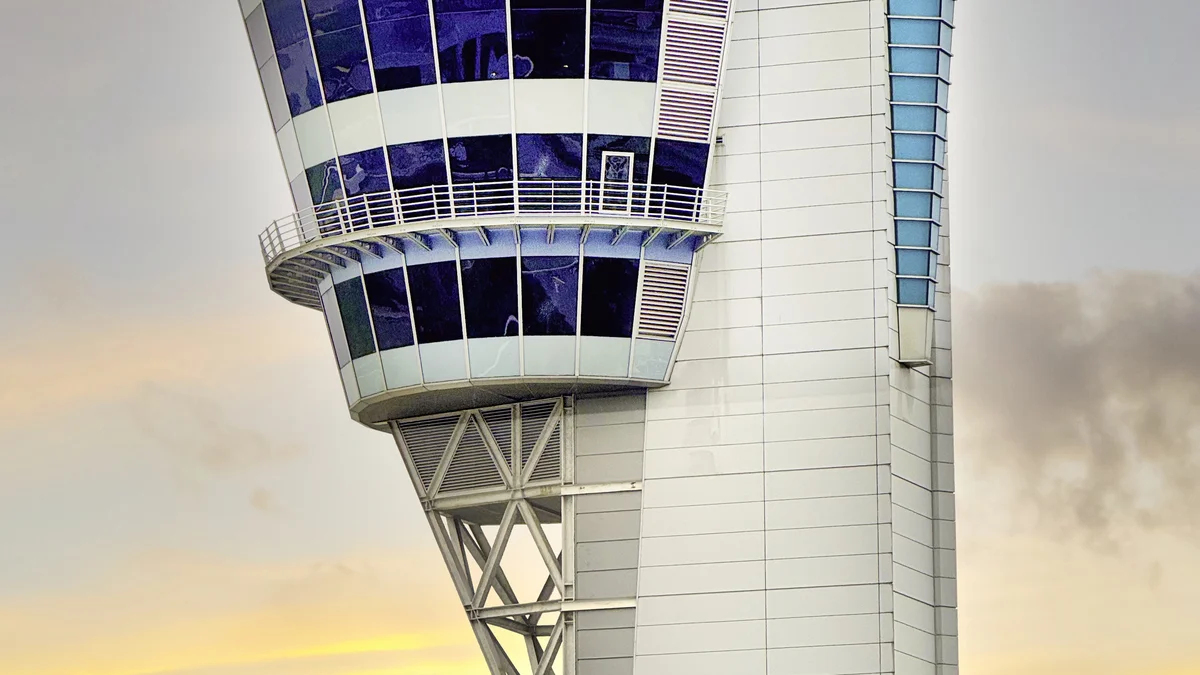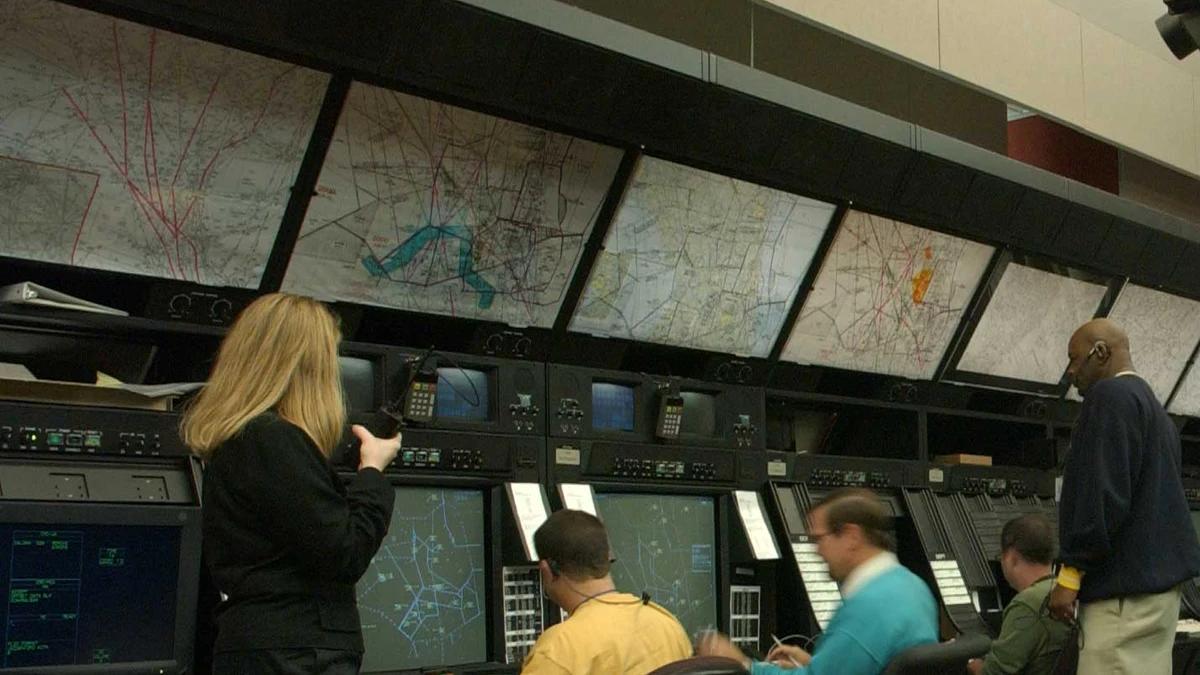
In what aviation historians described as the most severe domestic airspace disruption since 2001, the Federal Aviation Administration (FAA) initiated an emergency nationwide ground stop on Friday afternoon, ordering thousands of commercial aircraft to remain on the tarmac as mission-critical telecommunications systems across regional air route traffic control centers suffered catastrophic failure.
The ground stop—which commenced shortly after 1:15 p.m. Eastern Time and persisted for nearly five agonizing hours—paralyzed operations at premier international transit hubs from Hartsfield-Jackson Atlanta and Chicago O'Hare to Dallas/Fort Worth and Los Angeles International. Flight-tracking databases reported that more than 10,400 domestic and international flights were delayed, while an additional 1,800 departures were canceled outright, stranding hundreds of thousands of passengers ahead of the peak weekend travel corridor.
White House Rules Out Cyberattack, Points to Antiquated Hardware
Facing widespread public alarm and national security concerns, the White House convened an urgent inter-agency press briefing late Friday evening. Transportation Secretary Sean Duffy and Homeland Security Secretary Markwayne Mullin took to the podium to unequivocally rule out foreign cyber intrusions, ransomware payloads, or sabotage.
Instead, technical diagnostics revealed that a cascade of buffer-overflow errors occurred within legacy copper and packet-switching routing hardware deployed across the FAA's telecommunications infrastructure backbone. As regional traffic centers attempted to synchronize high-density afternoon flight plans with national radar feeds, a primary central data interchange in Virginia froze, severing automated flight progress telemetry between regional controllers and airport control towers.
"Our preliminary forensic engineering review proves this was not a malicious cyberattack from an adversary," Secretary Duffy announced. "It was the direct physical failure of aging, thirty-year-old switches and overloaded digital routers that simply could not process peak packet volume. Air traffic controllers acted with supreme professionalism by holding aircraft safely on the ground rather than risking mid-air separation ambiguities."
Congressional Showdown Over Modernization Appropriations
Normal flight dispatch resumed late Friday night as FAA network engineers completed emergency server reboots and failover rerouting to secondary microwave communications links. However, the cascading ripple effects of displaced aircraft and displaced flight crews are projected to cause secondary cancellations and delays well through Sunday evening.
The travel debacle has immediately detonated a political firestorm on Capitol Hill. Airline chief executives and pilot associations renewed calls for emergency supplemental funding to replace the FAA's patchwork infrastructure with modern cloud-native architectures. Incoming congressional leaders preparing to take power in January pledged to launch immediate oversight hearings into why previous modernization grants failed to replace vulnerable single-point failure bottlenecks.