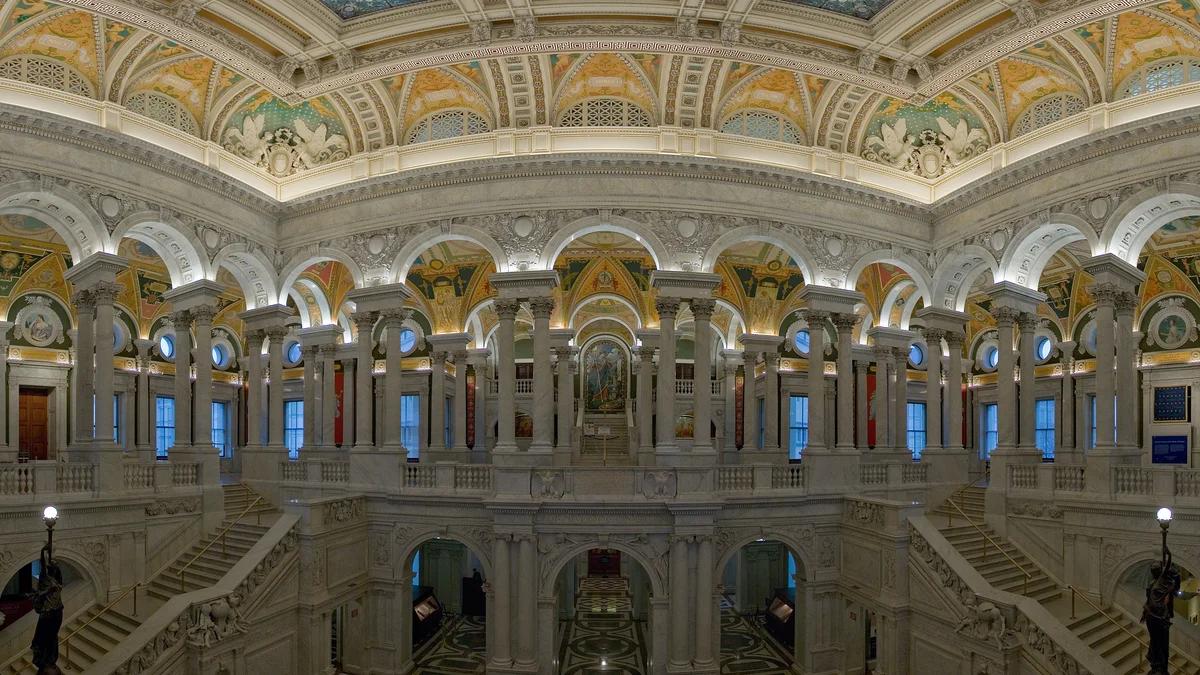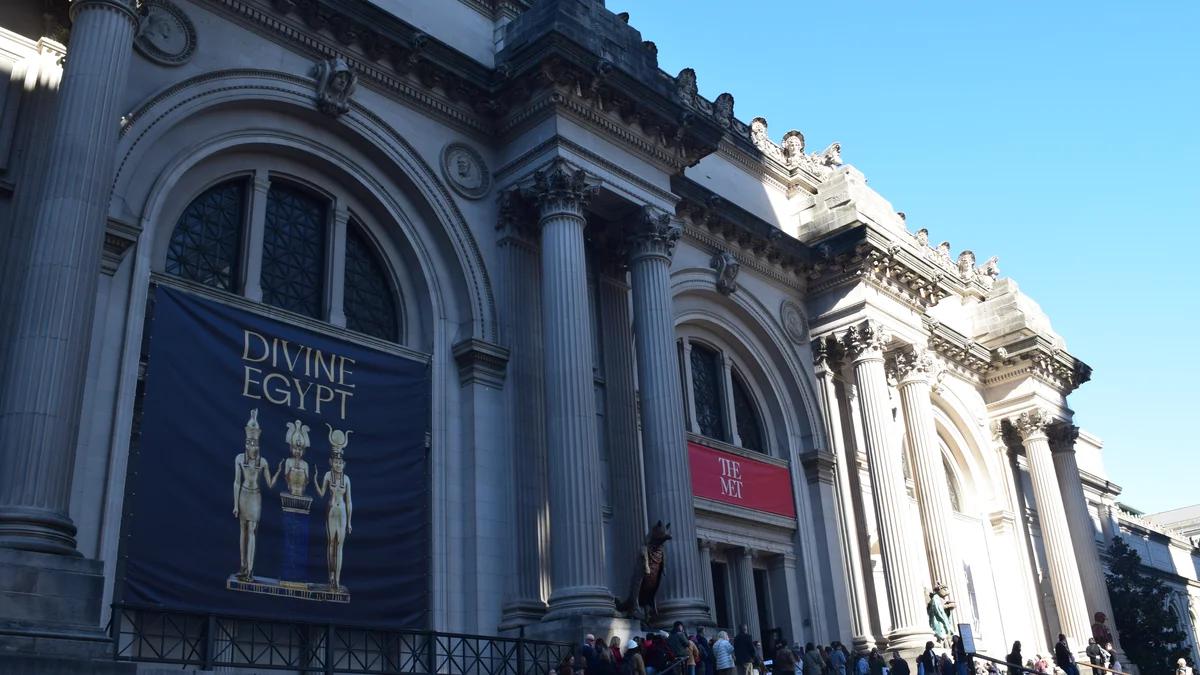
In a historic convergence of the Western world's two preeminent public cultural repositories, directors of the Metropolitan Museum of Art in New York and the Musée du Louvre in Paris convened inside the Met's Great Hall on Friday to sign a sweeping, multi-year transatlantic partnership agreement. The landmark cultural accord, formally christened the "Alliance of Two Rivieras," will stage unprecedented reciprocal exhibitions, joint archaeological conservation campaigns, and a pioneering open-access digital repatriation archive debuting in early 2027.
An Unprecedented Transatlantic Masterwork Exchange
The centerpiece of the partnership is a blockbuster reciprocal loan agreement that will permit iconic masterpieces—many of which have not crossed the Atlantic Ocean in over half a century—to be co-curated in thematic public retrospectives. Beginning in March 2027, the Louvre will send seventy-four pivotal Renaissance and Baroque canvases, including landmark masterworks by Leonardo da Vinci, Caravaggio, and Georges de La Tour, to Manhattan for an exclusive four-month engagement titled Light and Shadow: The Invention of Modern Seeing.
In return, the Metropolitan Museum will loan the Louvre eighty-six seminal artifacts from its renowned American Wing and Ancient Near Eastern collections, featuring landmark works by Winslow Homer, John Singer Sargent, and Georgia O'Keeffe, alongside monumental Assyrian reliefs from Nimrud. The exchange represents the most extensive cross-institutional loan protocol in modern museum history, supported by specialized federal indemnity underwriting from both the United States and French ministries of culture.
Joint Scientific Conservation and Provenance Transparency
"Art museums can no longer function as isolated cultural islands or competitive hoarders of heritage," declared Max Hollein, Director and Chief Executive of The Met, during the joint signing ceremony. "By pooling our curatorial scholarship, laser-spectroscopy laboratories, and archival resources with our French colleagues, we are creating a dynamic global classroom that revitalizes these timeless treasures for the rising generation."
Beyond public exhibitions, the alliance establishes a joint scientific conservation institute located between Manhattan and the Louvre's research laboratories in Liévin, France. The joint laboratory will deploy cutting-edge non-invasive synchrotron radiation and multispectral macro-X-ray fluorescence imaging to analyze underdrawings and organic binder degradation across fragile fifteenth-century panel paintings.
Crucially, the agreement also addresses modern ethical standards surrounding antiquities provenance. Both institutions formalized a shared digital repatriation database that cross-references acquisition manifests dating back to 1870 with international excavation registries. The collaborative protocol commits both museums to joint restitutions of contested antiquities to source nations in Greece, Italy, Egypt, and Iraq whenever scientific verification reveals illicit twentieth-century trade pathways.
Democratic Access and Digital Heritage Democratization
To ensure global audiences beyond Paris and New York benefit from the collaboration, the alliance confirmed a major philanthropic endowment funding ultra-high-resolution photogrammetric 3D scans of over ten thousand primary architectural and sculptural works. These digital twins will be made available completely free to public school systems, universities, and independent scholars worldwide via an interactive open-source educational platform.
Civic and cultural leaders in both New York and Paris celebrated the announcement as an enduring reaffirmation of transatlantic democratic values and artistic diplomacy at a time of broader global geopolitical uncertainty.