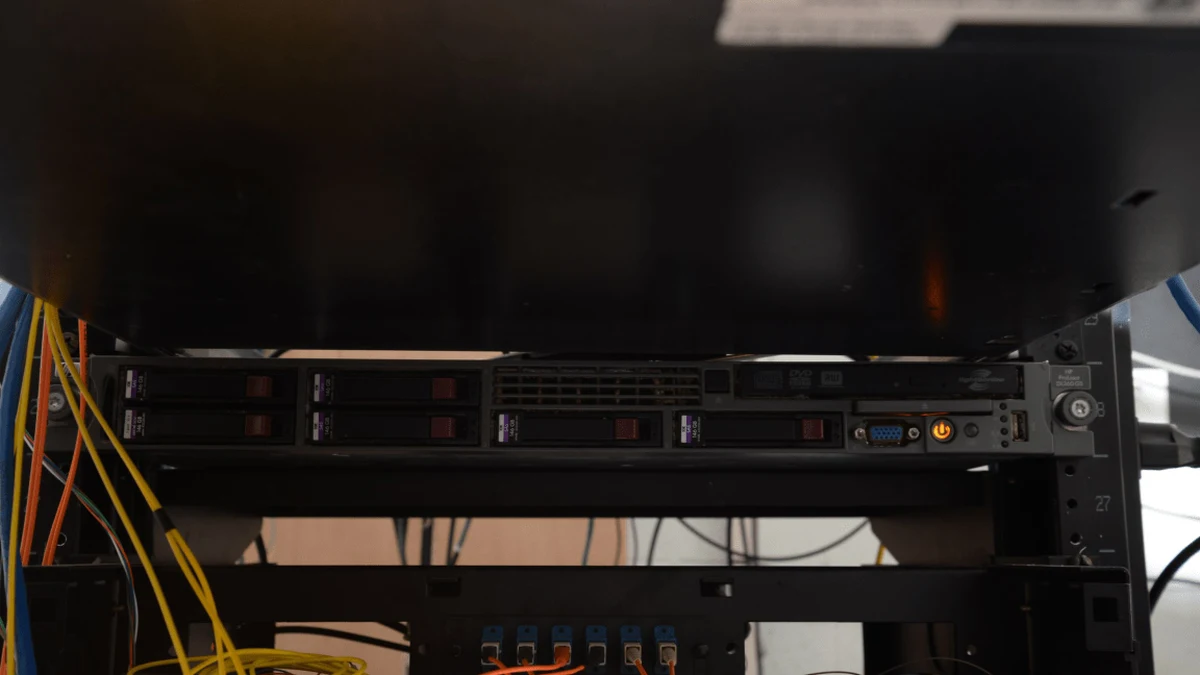
Within a span of twenty-four hours, the illusion of seamless modern digital convenience was shattered twice across the United States. On Friday afternoon, an unprecedented five-hour nationwide ground stop by the Federal Aviation Administration stranded ten thousand commercial flights because aging copper switches and overloaded routers choked under peak data volume. Simultaneously, a global Microsoft 365 configuration flaw knocked out communications across Capitol Hill, federal agencies, and municipal dispatchers. Neither catastrophe was the work of hostile foreign hackers; both were self-inflicted wounds born of decades of deferred maintenance in the digital commons.
For half a century, American national security and economic vitality have been built upon physical infrastructure: interstate highways, deepwater shipping ports, electric transmission grids, and municipal aqueducts. Yet in the third decade of the twenty-first century, our most critical infrastructure is invisible. It consists of legacy packet routers, proprietary software monopolies, and centralized cloud servers that process the daily transactions of our democracy.
The Lethal Illusion of "Good Enough" Technology
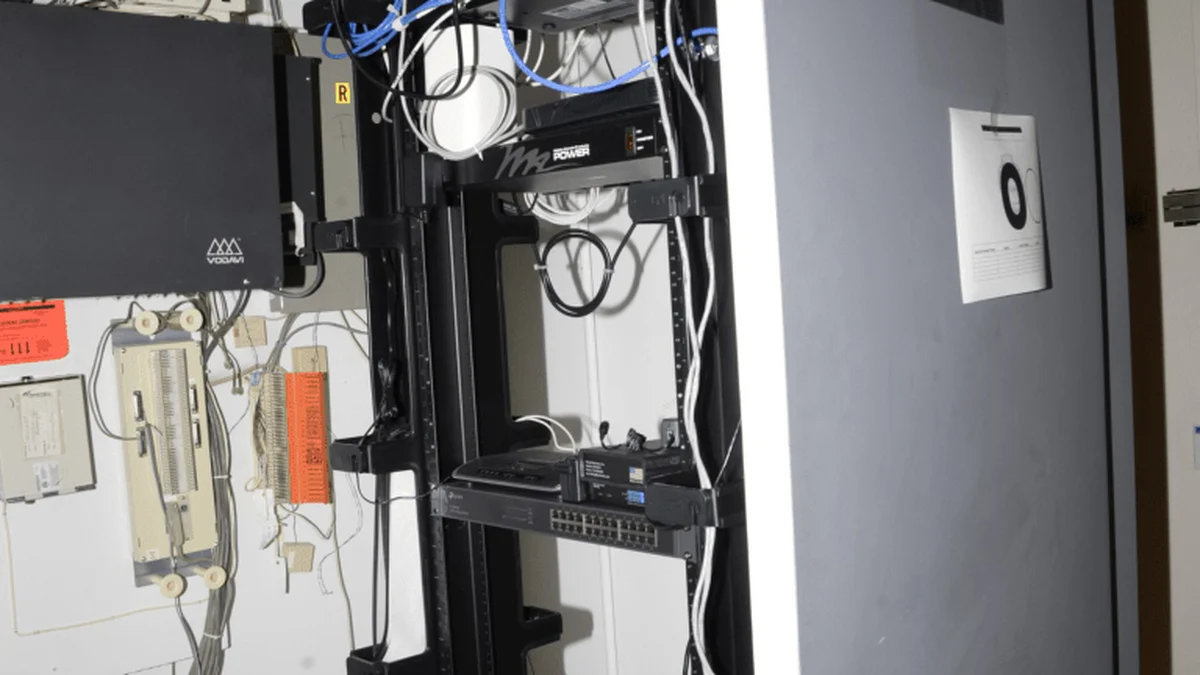
When Transportation Secretary Sean Duffy took to the White House briefing podium to explain that the aviation shutdown was caused not by cyber sabotage but by "old hardware that got overwhelmed," he articulated a reality that engineers have warned about for years. Washington has consistently treated digital modernization as an optional luxury rather than a foundational survival requirement.
Government agencies and corporate behemoths alike have fallen victim to the seduction of "patch-and-pray" maintenance. Rather than funding comprehensive structural overhauls to replace obsolete single-point failure nodes, budget directors apply superficial software patches to legacy systems designed during the Clinton administration. In parallel, federal procurement has consolidated billions of dollars in taxpayer contracts into a monoculture of single-vendor cloud platforms, ensuring that when one vendor's routing table stumbles, the machinery of American governance grinds to a halt.
Digital Modernization as a Constitutional Duty
The incoming 120th Congress and the White House must treat this week's dual disruptions as an unmistakable wake-up call. Digital resilience is no longer a niche technical matter for chief information officers; it is a core sovereign responsibility. If an internal switch overload can paralyze domestic commercial airspace and leave congressional offices unable to communicate, an adversarial foreign power executing coordinated kinetic and digital strikes could easily decapitate national logistics.
Real modernization demands more than writing larger checks to legacy defense contractors. It requires mandating strict architectural decentralization, enforcing open-source protocol interoperability across federal agencies, and holding corporate software monopolies legally accountable for single-point cloud failures. A great republic cannot sustain twenty-first-century global leadership on twentieth-century dial-up architecture. The time to rebuild America's digital foundation is before the next failure becomes irreversible.